Ko Lipe: Thailand's Island Transformed - A Cautionary Tale
Ko Lipe's transformation from a simple, welcoming island to a crowded, environmentally strained destination serves as a stark warning. Development has brought pollution, coral bleaching, and social displacement. Responsible travelers should avoid contributing to this unsustainable model and choose destinations prioritizing conservation and community benefits.
The Changing Face of Ko Lipe: Thailand's Vanishing Paradise
Ko Lipe, once a hidden gem in the Andaman Sea, has transformed dramatically over the past two decades. This small island near the Malaysian border offers a stark lesson in Thailand's tourism evolution—where development has created both opportunity and environmental strain. For travelers seeking authentic Thai island experiences, understanding Ko Lipe's current state is crucial before adding it to their itinerary.
The Untouched Era (2000s)
In the mid-2000s, Ko Lipe existed as a tropical enigma accessible only by longtail boats. Electricity was limited to a few hours daily, and accommodation meant basic beachfront bungalows costing under $3 USD. The island's charm lay in its simplicity: five restaurants, one beach bar, and a community of locals who welcomed visitors with genuine warmth. Visitors spent days reading under palm trees, snorkeling pristine reefs, and forming cross-cultural friendships. This was a place where time slowed down, and the rhythm of island life dictated the pace. The absence of crowds allowed meaningful connections with both the environment and its residents.
Development's Rapid Impact
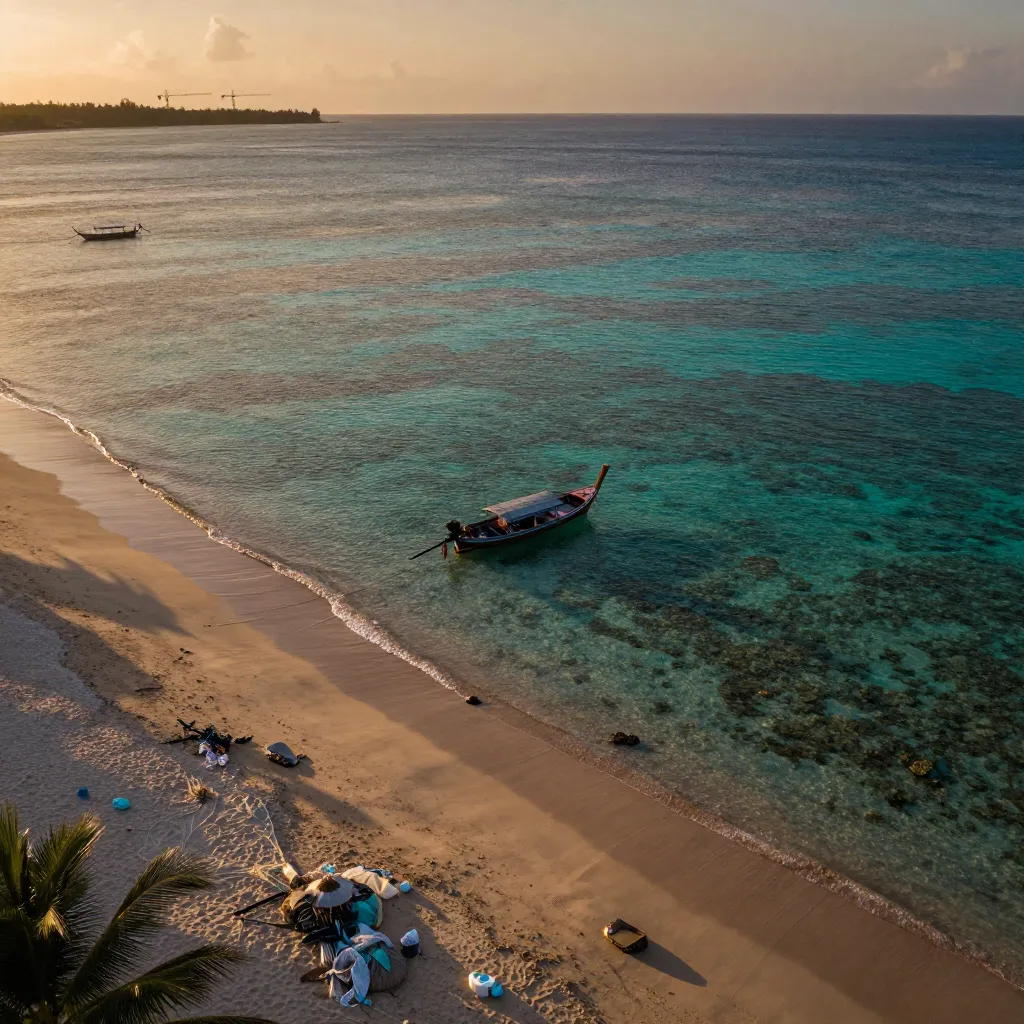
Today's Ko Lipe presents a stark contrast. Concrete paths replace sandy trails, and construction cranes dot the skyline as luxury resorts rise where once stood modest guesthouses. The island's infrastructure has expanded exponentially to cater to mass tourism, with paved roads supporting vehicles and heavy machinery. This development has brought undeniable improvements—modern amenities, reliable electricity, and diverse dining options—but at significant cost. The azure waters now reflect a sheen of boat fuel residue, and swimming areas are congested with tour vessels. What remains of the coral reefs shows alarming signs of bleaching, victims of anchor damage, pollution, and unsustainable fishing practices.
Environmental and Social Costs
The environmental degradation extends beyond visible pollution. Construction projects have altered natural drainage patterns, while increasing waste generation challenges limited disposal systems. The island's freshwater supply remains scarce, yet swimming pools proliferate—a luxury straining resources. Socially, the tourism boom has displaced many original residents. Land ownership has shifted to mainland developers, and the workforce now includes many mainland Thais who see minimal benefits from the tourism economy. Local culture faces dilution as restaurants pivot toward Westernized menus instead of showcasing authentic Thai cuisine. The island's once-vibrant community spirit now competes with commercialized entertainment.
Sustainable Alternatives Nearby
For travelers seeking Thailand's island beauty without contributing to overtourism, nearby options offer more responsible choices. Ko Lanta maintains a balance between development and preservation, with protected areas and community-based tourism initiatives. Ko Jum provides an authentic rural experience with minimal infrastructure, allowing visitors to experience traditional island life. Ko Mok (Koh Mook) features stunning caves and lagoons while maintaining stricter environmental controls. These alternatives demonstrate that tourism can coexist with conservation when carefully managed. Each offers distinct natural beauty—from long sandy beaches to dramatic karst formations—without the overwhelming crowds and environmental pressure affecting Ko Lipe.
The Responsible Traveler's Dilemma
Visiting Ko Lipe today creates a moral quandary. While first-time visitors may be captivated by the postcard-perfect scenery and turquoise waters, the island's current trajectory raises serious concerns. Unchecked development patterns mirror those that damaged Phi Phi and Phuket, suggesting Ko Lipe risks becoming another cautionary tale. The presence of dying coral, strained resources, and displaced communities indicates a tourism model that prioritizes short-term gains over long-term sustainability.
Conscious travelers must weigh their desire for tropical beauty against the impact of their presence. Supporting destinations with established conservation policies and community benefits helps redirect tourism flows toward more responsible models. By choosing alternatives like Ko Lanta or Ko Jum, travelers can still experience Andaman Sea magic while contributing to preservation efforts. The collective choices of visitors ultimately determine whether Thailand's islands remain viable ecosystems or become mere shells of their former glory.
Ko Lipe's transformation serves as an important case study in sustainable tourism. Its story reminds us that paradise requires preservation, and that sometimes the most ethical travel decision is to seek destinations where tourism uplifts rather than exploits. Thailand's islands offer incredible beauty—the challenge lies in experiencing it responsibly for generations to come.