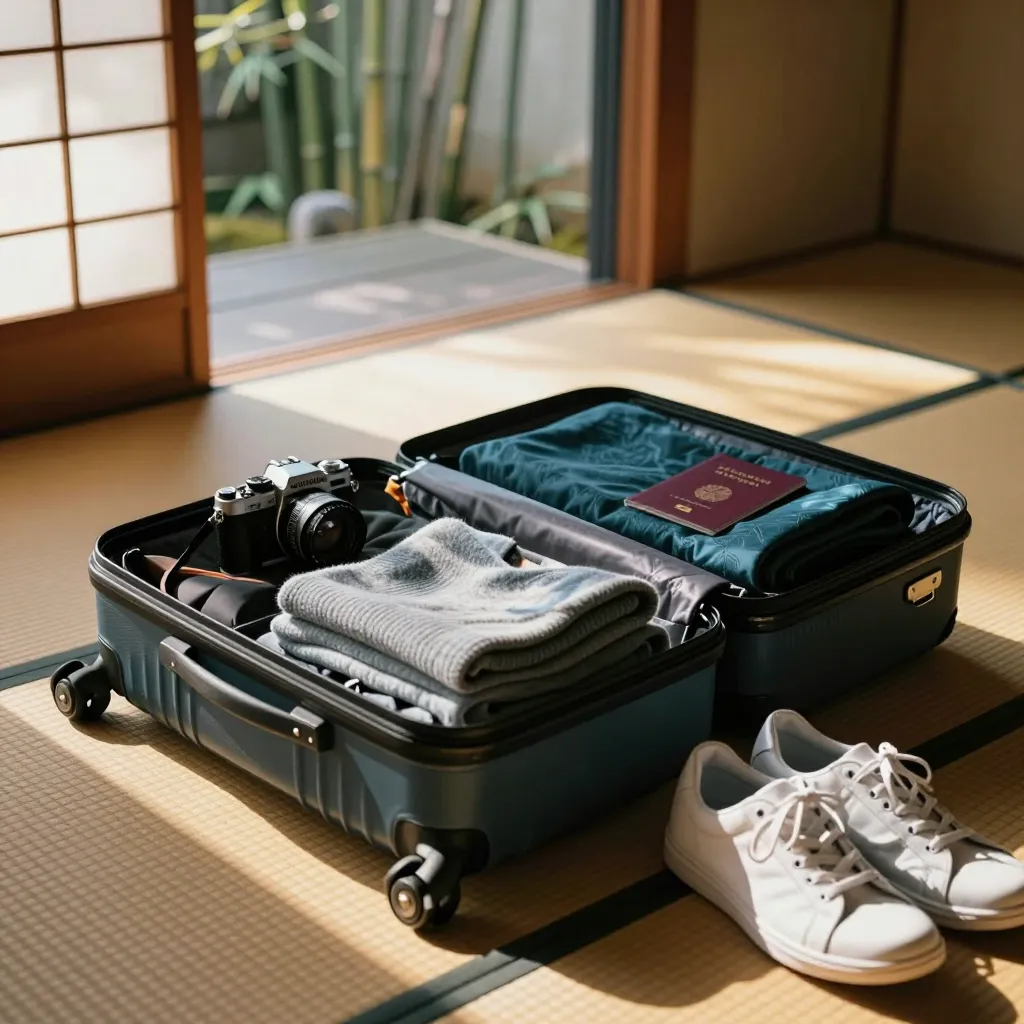
Essential 2026 Japan Packing Guide: Travel Light and Explore Deep
Navigate Japan's seamless infrastructure from Shinkansen to shrines. This guide covers essential travel documents, weather-adaptive clothing, and local etiquette for a light, authentic adventure. Perfect for first-time visitors looking to maximize space for regional souvenirs.
Essential Packing Guide for Japan in 2026
Japan's seamless infrastructure—from high-speed shinkansen to 24/7 konbini—makes overpacking unnecessary. Focus on versatile essentials that handle urban explorations, temple hikes, and seasonal shifts, leaving room for souvenirs like matcha kits or regional sake.
Core Travel Documents and Preparations
Start with the basics to breeze through airports and stations:
- Passport: Ensure at least six months' validity beyond your return date and one blank page for stamps.
- Visa: Most visitors from visa-waiver countries get 90 days on arrival; confirm requirements based on your nationality via official sources.
- Printed confirmations: Flight e-tickets, hotel bookings (with Japanese addresses for taxis), and train reservations. Digital backups are ideal, but paper aids quick checks at immigration.
- Rail Pass: Opt for a Japan Rail Pass if crisscrossing cities like Tokyo, Kyoto, and Osaka—activate it upon arrival for unlimited JR travel.
- Payment methods: Credit/debit cards (Visa/Mastercard widely accepted); notify your bank of travel. Carry some yen cash withdrawn via ATMs at 7-Eleven or post offices.
- Document backups: Scan passport, cards, and visas; store in cloud email or apps for quick access if lost.
- Connectivity: Pocket Wi-Fi or eSIM for data—essential for Google Maps, Hyperdia train schedules, and real-time food spot reviews.
Physical maps from trusted publishers remain handy for offline overviews of Tokyo, Kyoto, or nationwide routes.
Weather-Adaptive Clothing
Japan spans climates: humid Tokyo summers, crisp Kyoto autumns, snowy Hokkaido winters. Layer for versatility.
- Breathable bases: Moisture-wicking shirts, linen pants, and merino wool for all seasons—ideal for long walks between ramen shops and shrines.
- Footwear: Lightweight sneakers or trail shoes for urban pavement and light hikes like Kyoto's Philosopher's Path; avoid heavy boots unless mountaineering.
- Outer layers: Packable rain jacket, lightweight fleece for chilly shinkansen AC or evening festivals.
- Accessories: Quick-dry towel for onsen visits, sun hat, and sunglasses for cherry blossom season.
- Organization: Compression cubes keep outfits compact, maximizing space for impulse buys like yukata fabrics.
Toiletries and Health Essentials
Replenish at FamilyMart or drugstores (kusuriya), but pack a core kit for comfort.
- Daily hygiene: Toothbrush/paste, shampoo, conditioner, body wash in travel sizes.
- Sun and skin: High-SPF sunscreen, lip balm—UV rays intensify in high-altitude areas like Nagano.
- Medications: Pain relievers, anti-diarrheal, motion sickness pills (for winding bus rides), antihistamines for cedar pollen in spring.
- First aid: Blister plasters, tweezers, bandages; women's products widely available but pack as needed.
- Special note: Japan regulates certain meds (e.g., some cold remedies, ADHD drugs)—declare via customs form and carry doctor's note if applicable. Check Ministry of Health guidelines pre-trip.
Roll-up toiletry bags hang easily in ryokan bathrooms.
Electronics and Gadgets
Power outlets are Type A/B (100V); frequencies differ, so chargers must be universal.
- Chargers and adapters: For phone, tablet, or e-reader—Japan's outlets match North America.
- Power solutions: Portable battery bank for photo-heavy days at Fushimi Inari or Tsukiji market.
- Protection: Rugged phone case; consider add-on lenses for smartphone photography of neon-lit izakayas.
- Extras: Noise-canceling earbuds for crowded trains; compact camera for low-light festivals if your phone falls short.
Data SIMs from airports or vending machines ensure seamless navigation.
Luggage Strategy
Public transport shines—lockers at major stations (¥500–¥1,000/day) handle oversized bags.
- Main bag: Carry-on wheeled suitcase (under 10kg for domestic flights) plus daypack for daily jaunts.
- Locks: TSA-approved for security.
- Storage tips: Forward luggage via takuhaibin services between hotels for hands-free travel.
Long-Haul Flight Kit
Transpacific or Europe-Asia hauls demand comfort.
- Neck pillow, eye mask, earplugs.
- Hydration aids: Empty water bottle (fill post-security), moisturizer.
- Entertainment: Downloaded shows, audiobooks, or lightweight reader.
- Valuables: Neck wallet for passport/cash; compression socks for swelling.
Traveling with Children
Family-friendly Japan means safe streets and kid-approved treats like taiyaki.
- Kid-specific meds and diapers (available but pricier).
- Comfort items: Favorite books, snacks, lightweight stroller (foldable for trains).
- Fun extras: Reusable water bottles for park picnics.
This streamlined list equips you for authentic adventures, from Kyoto's kaiseki dinners to Tokyo's vending machine hunts—travel light, explore deep.