A Guide to Japan’s Vibrant Alcoholic Beverage Culture: Drinks and Etiquette
From traditional nihonshu to modern highballs, discover the diverse world of Japanese spirits. Learn the essential social customs, like the art of serving others and the perfect toast, to navigate your next izakaya visit with confidence and respect.
A Guide to Japan’s Vibrant Alcoholic Beverage Culture
In Japanese society, drinking is far more than just a pastime; it is a vital social lubricant. Whether it is a formal business gathering or a casual night out with friends, drinking parties—typically held at restaurants and local izakaya—serve as essential venues for building and strengthening professional and personal relationships. Japan offers an impressive spectrum of alcoholic beverages, ranging from ancient traditional brews to world-class modern spirits.
Essential Japanese Drinks
Beer and "Beer-Like" Beverages
Beer remains the most popular alcoholic choice across the country. However, Japan’s unique tax system has led to the creation of innovative alternatives known as happoshu and "new-genre" beer. Because these drinks contain less malt (or none at all) than traditional beer, they are taxed at a lower rate, making them a budget-friendly option for many drinkers.
Sake (Nihonshu)
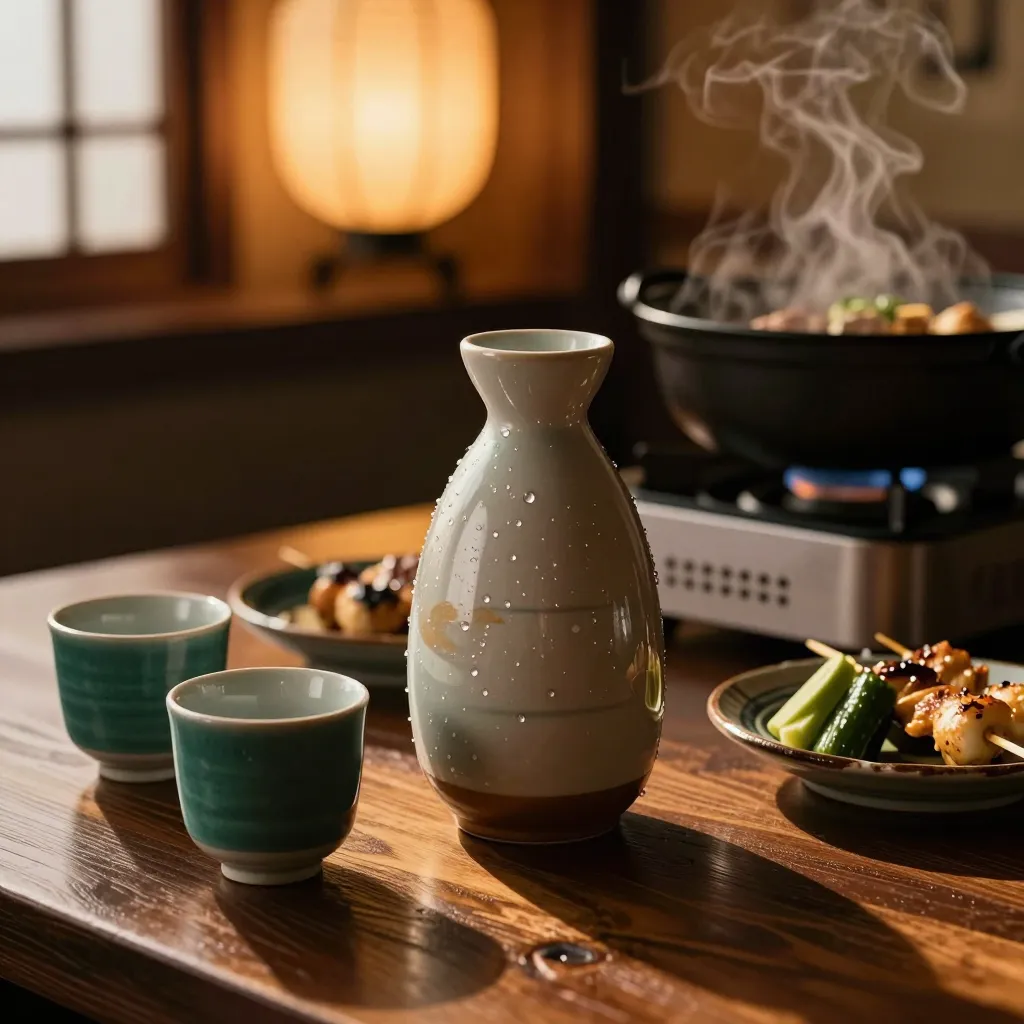
While known globally as "sake," the specific Japanese term for this rice wine is nihonshu. It is crafted using a precise combination of rice, water, and koji mold. While major national brands are widely available, many enthusiasts seek out jizake, or local craft sake, which reflects the regional flavors of various prefectures. With an alcohol content usually between 10% and 20%, nihonshu can be enjoyed chilled, at room temperature, or warmed.
Shochu and Awamori
Shochu is a potent distilled spirit, typically containing 20% to 40% alcohol. It is distilled from various base ingredients, including sweet potatoes, rice, wheat, or sugar cane. While popular throughout Japan, it is particularly celebrated in Kyushu. Okinawa produces its own unique version called awamori, which is distinguished by its use of long-grained Thai-style rice and a specific black koji mold.
Japanese Whisky and Highballs
In recent years, Japanese whiskies have gained international acclaim, with many brands now considered equal to the finest Scotch whiskies. A favorite way to enjoy whisky in Japan is the "Highball"—a refreshing mix of whisky and carbonated soda water. Originally a trend in the 1950s, the highball has seen a major resurgence as a lighter, food-friendly alternative to beer, typically featuring an alcohol content of 5% to 10%.
Chuhai and Umeshu
* Chuhai: A portmanteau of "shochu highball," these are sparkling, fruit-flavored cocktails. They are widely available in cans at convenience stores, with popular flavors like lemon, grapefruit, and peach.
* Umeshu: This sweet plum wine is made by steeping Japanese plums (ume) in sugar and alcohol (shochu or sake). Its fruity aroma and sweet profile make it an excellent choice for those who prefer less bitter drinks.
Etiquette and Traditions
Navigating a Japanese drinking session involves a few key customs that demonstrate respect for your companions:
* Serving Others: It is traditional to pour drinks for others rather than serving yourself. Keep an eye on your companions' glasses and top them up as they get low.
* Receiving a Drink: If someone offers to pour for you, it is polite to take a sip to clear space in your glass and then hold it up with both hands while they pour.
* The Toast: Always wait until every person at the table has a full glass before starting. The standard toast is "Kampai!".
* Know the Setting: While maintaining a degree of decorum is expected in formal restaurants, informal izakaya allow for a more boisterous atmosphere, provided you remain respectful of other patrons.
Purchasing Alcohol
In Japan, alcoholic beverages are highly accessible and can be purchased at supermarkets, department stores, liquor shops, and convenience stores. While some outdoor vending machines still sell alcohol, their numbers have been declining. Please note that the legal drinking and smoking age in Japan is 20.