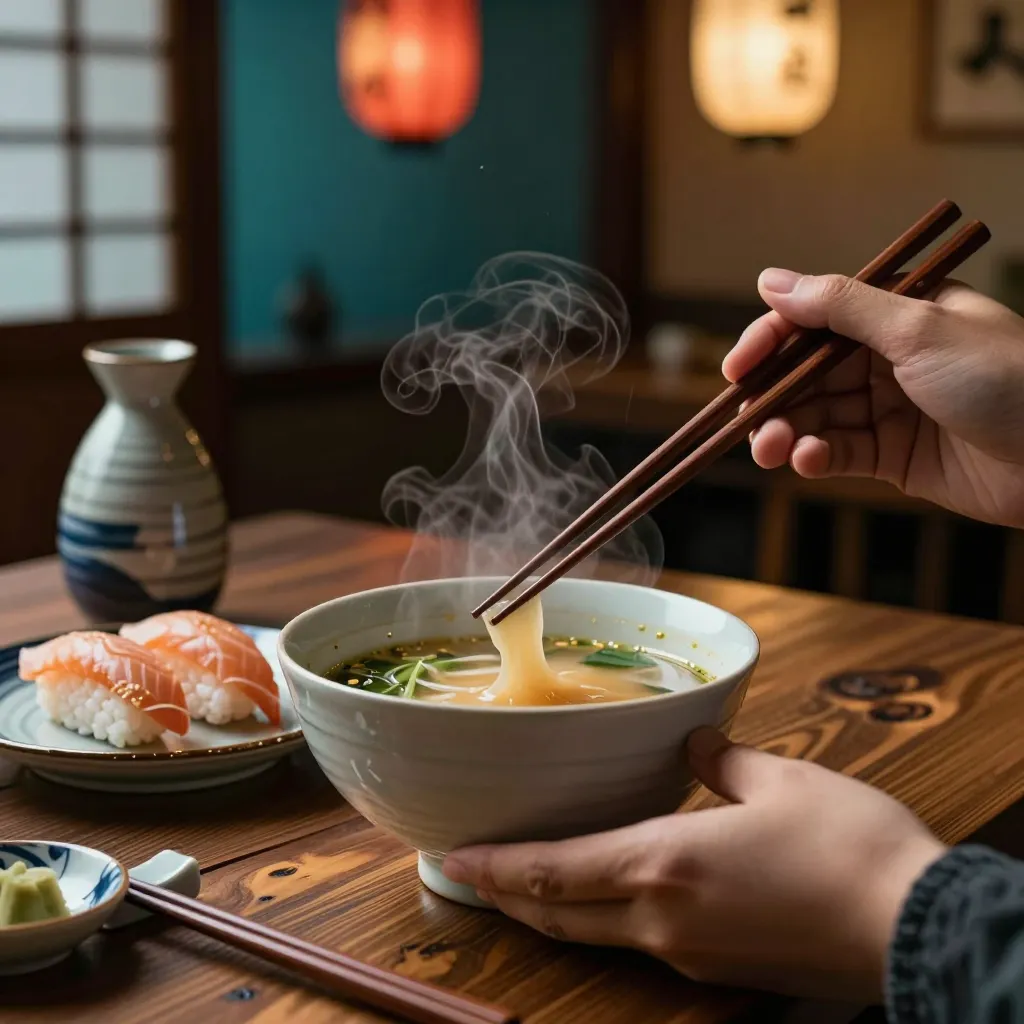
Master Japanese Dining Etiquette for Travelers
Japan's culinary scene demands etiquette mastery: avoid chopstick blunders, say 'Itadakimasu,' and embrace slurping. From lively izakayas to elegant kaiseki, this guide equips travelers to dine respectfully. Discover seasonal specialties and pro tips like no tipping for authentic cultural immersion.
Navigating the Art of Dining in Japan: A Guide to Etiquette and Culinary Traditions
Japan offers one of the world's most sophisticated culinary landscapes, where deep-rooted traditions meet meticulous attention to detail. For travelers, understanding the nuances of Japanese dining—from basic etiquette to the cultural significance of various meal styles—can transform a simple meal into a profound cultural experience.
Essential Table Manners and Etiquette
In Japan, dining is often viewed as a respectful exchange between the guest and the chef. Adhering to certain social cues demonstrates respect for the ingredients and the craftsmanship involved.
Chopstick Etiquette (Hashi)
The use of hashi (chopsticks) is governed by several strict taboos. To avoid unintentional offense, keep these rules in mind:
- Never pass food directly from your chopsticks to another person's chopsticks. This gesture mimics a traditional funeral rite. If sharing food, place it on a small communal plate first.
- Avoid "stabbing" food. Using a chopstick like a spear to pick up items is considered impolite.
- Do not stand chopsticks upright in a bowl of rice. This is another funeral-related gesture.
- Avoid pointing with chopsticks or using them to move dishes around the table.
The Ritual of Starting and Finishing
Before beginning a meal, it is customary to say "Itadakimasu," which translates to "I humbly receive." This expression acknowledges the life of the ingredients and the effort of the cook. Upon finishing, saying "Gochisousama-deshita" expresses gratitude for the feast.
Handling Bowls and Soup
Unlike in many Western cultures, it is perfectly acceptable—and often expected—to lift small bowls (such as rice or miso soup bowls) closer to your mouth. This helps prevent spills and makes eating more efficient. When consuming ramen or udon, slurping is not only allowed but is often seen as a sign that you are enjoying the meal and helps cool the hot noodles.
Understanding Common Dining Formats
Japanese cuisine is categorized by more than just the ingredients; the setting and service style define the experience.
Izakaya: The Japanese Gastropub
An izakaya is the quintessential social dining environment. These establishments function similarly to tapas bars, where small plates are shared among a group. It is common to order several dishes throughout the evening rather than all at once. The atmosphere is typically lively, making it an ideal spot for travelers looking to experience local social life.
Kaiseki: High-Art Multi-Course Dining
For a more formal and seasonal experience, kaiseki represents the pinnacle of Japanese haute cuisine. This traditional multi-course meal focuses on the harmony of taste, texture, and appearance. Each dish is meticulously prepared to reflect the current micro-season, using ingredients at their absolute peak of freshness.
Standing Bars (Tachinomiya)
For a quick, casual, and budget-friendly bite, tachinomiya (standing bars) are popular among locals. These spots are often found in urban centers and offer a fast-paced environment where one can enjoy high-quality snacks and drinks without the formality of a seated restaurant.
Regional Specialties and Seasonal Focus
One of the most vital aspects of Japanese food culture is shun—the concept of eating ingredients at the height of their season.
- Spring: Look for bamboo shoots, cherry blossom-themed sweets (sakura mochi), and fresh mountain vegetables.
- Summer: Cooling foods like somen (thin wheat noodles), unagi (eel), and chilled tofu are staples to combat the humidity.
- Autumn: This is a harvest season characterized by matsutake mushrooms, chestnuts, and Sanma (Pacific saury).
- Winter: Hearty dishes like nabe (hot pot) and heavy seafood like crab and fatty tuna become central to the diet.
Practical Tips for Travelers
- Oshibori: Most restaurants will provide a wet towel (oshibori) upon seating. Use this to clean your hands before eating, but avoid using it to wipe your face or the table.
- Tipping Culture: Tipping is not practiced in Japan. In fact, leaving extra money on the table can lead to confusion, as servers may chase you down to return the "forgotten" change. Exceptional service is considered the standard, not an extra to be purchased.
- Cash is King: While major cities and high-end establishments increasingly accept credit cards, many authentic local eateries, especially in smaller towns or traditional markets, remain cash-only. Always carry yen for a seamless dining experience.