Mastering Japanese Train Travel: From Shinkansen to Local Gems
Master the art of the rails with our comprehensive guide to Japan's world-class transit system. Whether you are navigating massive city hubs or seeking quiet rural routes, learn the essential etiquette, ticketing hacks, and cultural rituals like the ekiben to ensure a seamless journey.
Navigating the Art of Japanese Train Travel: A Practical Guide
Japan’s rail network is widely considered the gold standard of public transportation, blending unrivaled punctuality with an expansive reach that connects hyper-modern city centers to secluded mountain villages. For travelers, mastering the rails is the most efficient way to unlock the country’s diverse landscape.
Understanding the Network
The backbone of long-distance travel is the Shinkansen, or bullet train. These high-speed lines connect major hubs like Tokyo, Kyoto, Osaka, and Fukuoka. Beyond the primary lines operated by the Japan Railways (JR) Group, the country is crisscrossed by myriad private railway companies that serve suburban areas, local routes, and mountainous regions often inaccessible by major lines.
Ticketing and Seating Options
When planning a journey, you generally have two choices for seating on the Shinkansen:
- Reserved Seats: These require a specific seat selection at the time of purchase. During peak tourist seasons or Japanese public holidays, booking these in advance is essential.
- Non-Reserved Seats: Found on specific train cars, these tickets offer flexibility. You simply board the train and find any empty seat in the designated non-reserved section. During rush hours, be prepared to stand if the car is at capacity.
Advance ticket purchases can be managed through official digital services or at the ticket kiosks located in major stations. These kiosks are generally available in multiple languages, making the process straightforward for international visitors.
The Etiquette of the Tracks
Japanese train travel is a quiet, meditative experience. Observing local customs ensures your journey remains stress-free and respectful:
- Noise Control: Keep conversations at a low volume. If you must use your phone, set it to "manner mode" (silent) and avoid taking calls while on the train.
- Luggage Management: For those traveling with large suitcases, book a seat with a "luggage space" reservation. Most bullet trains have overhead storage sufficient for carry-ons, but large trunks may require these specific, pre-booked areas.
- Station Queues: On platforms, you will see markers indicating exactly where the train doors will open. Form an orderly line behind these markers; it is considered polite to wait for passengers to disembark entirely before you begin boarding.
Navigating Large Hubs
Transferring at massive stations like Shinjuku, Osaka, or Tokyo can be intimidating due to their size and complexity. These stations function as miniature cities, complete with underground shopping malls and intricate exit systems.
- Follow the Color Coding: Every station features clear, color-coded signage that indicates specific lines. If you are unsure of your route, keep an eye on the overhead signs for your destination’s station number or English name.
- Exits Matter: A station might have over 50 exits. Identify your desired exit letter and number on a station map before leaving the turnstiles to avoid taking a 15-minute detour through the city streets.
Enhancing the Experience: The Ekiben
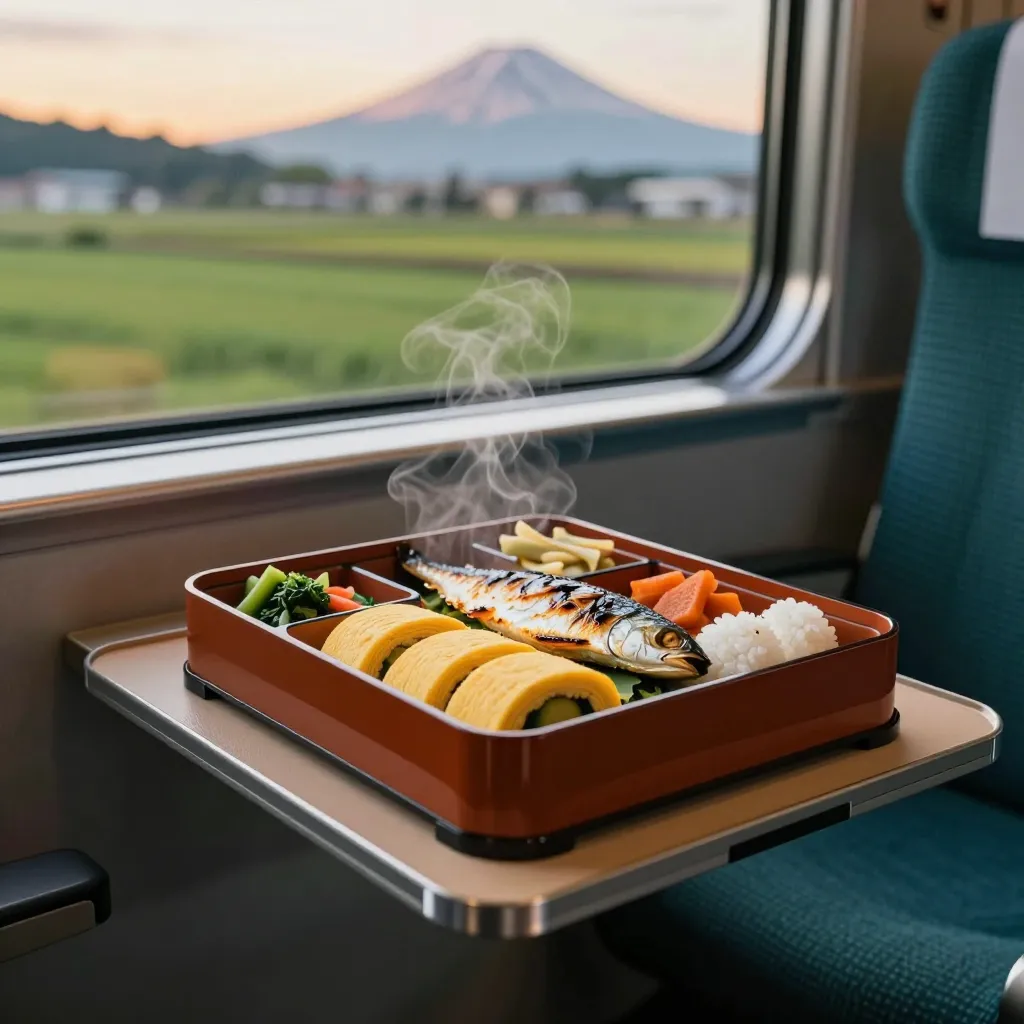
No Japanese train journey is complete without an ekiben—a station bento box. Available at vendors located on platforms and within the ecute (station mall) areas, these are curated meals that often highlight local seasonal specialties. Picking up a regional bento before boarding is a quintessential cultural ritual that turns a transit hour into a culinary exploration.
Local Trains and Rural Routes
While the Shinkansen handles the heavy lifting between cities, local lines are where you find the charm of the Japanese countryside. These slower, regional trains often wind through terraced rice fields, coastal cliffs, and forest tunnels. When using smaller, local stations, remember that some might be unmanned; always ensure you have either a physical ticket or your travel card properly recharged before departure.