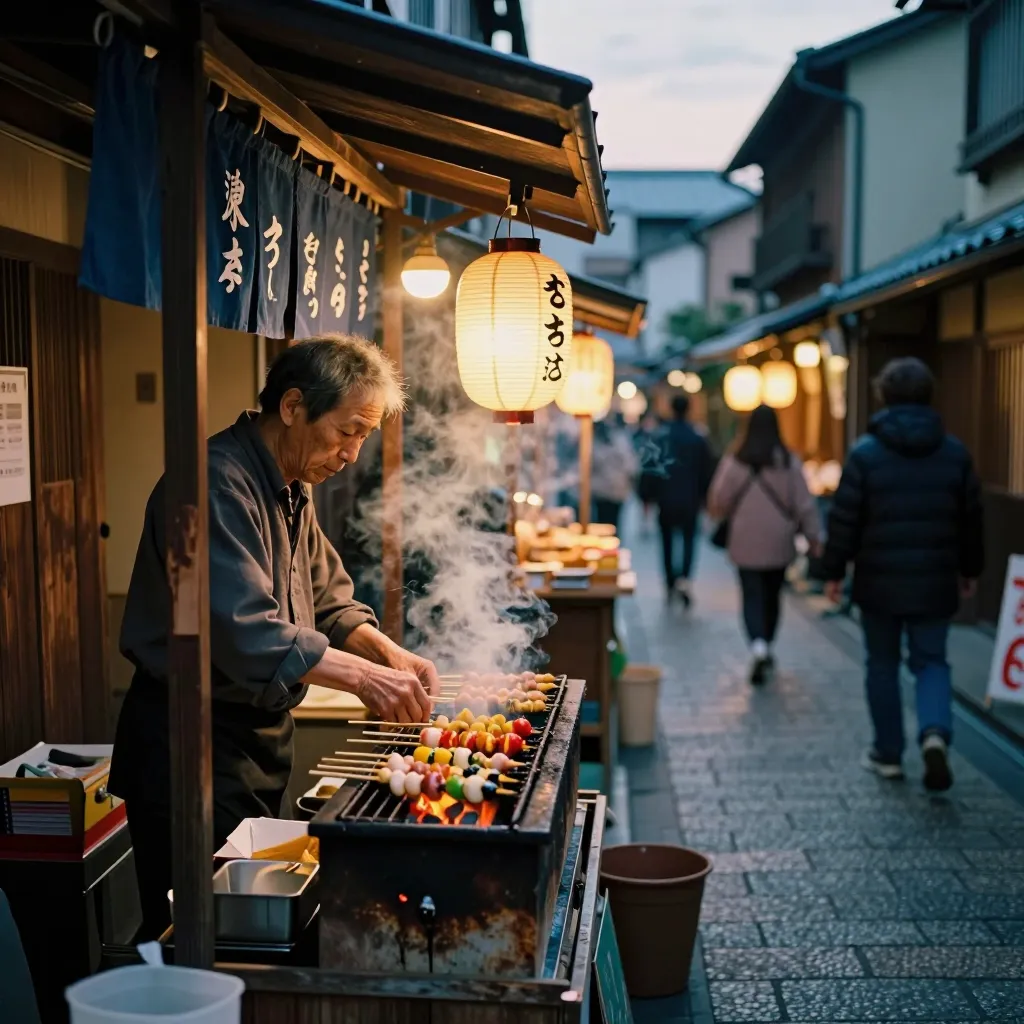
Authentic Tokyo: A Local's Guide to Hidden Food Gems Beyond Tourist Spots
Explore Tokyo's authentic food culture through historic neighborhoods like Yanaka and Shimokitazawa, where family-run izakayas, hidden sashimi bars, and traditional morning markets reveal the city's true gastronomic soul. This local's guide takes you beyond tourist traps to experience the Tokyo that residents know and love.
Authentic Tokyo: A Local's Guide to Experiencing the City's Hidden Food Scene
Why Tokyo Remains the World's Greatest Food City
Tokyo possesses an extraordinary concentration of culinary talent that rivals any global metropolis. With more Michelin-starred restaurants than Paris and a street food culture that transforms simple ingredients into transcendent experiences, the Japanese capital demands attention from anyone passionate about food and travel. Beyond the obvious attractions lies a network of neighborhood izakayas, morning markets, and family-owned establishments that reveal Tokyo's authentic gastronomic soul.
Discovering Yanaka: Tokyo's Most Charming Historic Neighborhood
Yanaka sits quietly in northeast Tokyo, largely overlooked by tourists despite its remarkable preservation of old-town atmosphere. This small district survived World War II bombings and subsequent development waves, maintaining wooden merchant houses, narrow lanes, and a genuine sense of community that has disappeared elsewhere in the city.
The neighborhood's appeal extends beyond aesthetics. Yanaka hosts one of Tokyo's most beloved morning markets, where vendors sell fresh produce, tsukemono (Japanese pickles), and traditional snacks. Visitors wandering through the market at dawn witness locals purchasing daily necessities while sampling regional specialties from vendors who have perfected their craft over decades.
Where to Eat in Yanaka
Yanaka Ginza serves as the neighborhood's commercial heart. This pedestrian street hosts approximately sixty shops, many family-owned for multiple generations. Sample dango (grilled rice dumplings) from street vendors, or step into Sobanomiwa, a shop specializing in soba noodles made from locally milled buckwheat. The establishment has operated since 1938, using the same recipes that originally attracted neighborhood regulars.
For breakfast, Café Earthlight opens early and serves simple Western-influenced dishes alongside excellent coffee. The café occupies a renovated traditional house, offering views of the neighborhood's distinctive streetscape.
Shimokitazawa: Tokyo's Indie Culture and Food Hub
West of central Shibuya lies Shimokitazawa, a neighborhood built on vintage clothing shops, live music venues, and exceptional restaurants. Young Tokyo residents flock here seeking affordable rents and an alternative atmosphere far removed from the corporate districts of Marunouchi or Shinjuku.
The area's appeal to food enthusiasts stems from its concentration of independent restaurants, many occupying converted old houses. Unlike areas designed for tourism, Shimokitazawa's establishments cater primarily to locals, meaning prices remain reasonable and quality stays consistently high.
Essential Food Experiences in Shimokitazawa
Harapeco operates as both a café and a guesthouse, serving breakfast sets that feature homemade bread, eggs from a farm in Kanagawa Prefecture, and locally roasted coffee. The establishment exemplifies Shimokitazawa's blend of sustainability and hospitality.
For dinner, navigate the neighborhood's maze-like streets to discover Ikizukuri, a basement restaurant specializing in fresh sashimi and traditional Japanese small plates. The establishment sources fish directly from Tsukiji's early morning auctions, ensuring unmatched freshness. Diners sit at a counter overlooking the open kitchen, watching chefs prepare seasonal specialties with minimal intervention.
Asakusa: Tradition Meets Modern Convenience
Asakusa presents Tokyo's most accessible traditional face. The neighborhood centers on Senso-ji, Tokyo's oldest Buddhist temple, which draws millions of visitors annually. However, the surrounding streets offer more than tourist attractions. Nakamise shopping street connects the temple to Asakusa Station, lined with vendors selling traditional snacks and crafts.
Beyond the Tourist Trail
Most visitors experience Nakamise's famous senbei (rice crackers) and kaminari-ningyo (thunder dolls) without venturing further. Those who explore deeper discover Hanayashiki, one of Japan's oldest amusement parks, and the Sumida River waterfront where local residents exercise and children play on weekend mornings.
For authentic Asakusa dining, visit during early morning hours when neighborhood residents patronize establishments before tourist crowds arrive. Fukuchi opens at seven and serves miso soup, grilled fish, and rice dishes that constitute traditional Japanese breakfast. The restaurant has operated since 1948, and regular customers occupy the same counter seats daily.
Practical Guidance for Food-Focused Tokyo Exploration
Transportation and Timing
Tokyo's train system operates efficiently but can overwhelm first-time visitors. Prioritize purchasing a Suica or Pasmo IC card for seamless travel across multiple rail operators. These rechargeable cards eliminate ticket purchasing for each journey and work at convenience stores and many restaurants.
Morning hours (before 10 AM) offer the best opportunity to observe local food culture. Markets operate early, neighborhood restaurants serve breakfast sets, and trains remain less crowded. Afternoons work well for exploring residential neighborhoods like Yanaka, where shops may close by evening.
Budget Considerations
Tokyo accommodates various budgets, though quality food costs correspondingly more than convenience store meals. Lunch sets at respectable restaurants typically cost ¥800-1500, while dinner at izakayas requires ¥2000-4000 per person. Street food snacks range from ¥100-500, making light grazing throughout the day both culturally immersive and budget-friendly.
Seasonal Timing
Autumn (October-November) brings comfortable temperatures and seasonal ingredients unavailable other times of year. Chestnuts, matsutake mushrooms, and persimmons appear at markets and on restaurant menus. Spring (March-April) attracts visitors for cherry blossom viewing, though this peak season means higher prices and crowded attractions.
Neighborhoods Worth the Detour
Beyond established tourist areas, several lesser-known neighborhoods reward curious visitors willing to venture beyond the usual routes.
Koenji resembles Shimokitazawa's indie character but attracts an even younger crowd. Vintage clothing shops outnumber restaurants initially, but persistent explorers discover excellent ramen shops and standing bars serving craft cocktails. The neighborhood maintains a deliberately rough aesthetic that appeals to those seeking authentic rather than polished Tokyo.
Nakameguro centers on a tree-lined canal that becomes spectacular during cherry blossom season. The neighborhood draws design-conscious visitors to its boutiques and cafés, many occupying converted warehouses. Weekend mornings find the canal walkway filled with locals enjoying coffee and pastries from nearby bakeries.
Kagurazaka retains an elegant atmosphere from its past as a geisha district. Hidden restaurants occupy traditional townhouses throughout the neighborhood, while French-influenced bakeries and cafés reflect the area's international history. The neighborhood rewards those who explore its steep hillside lanes, where unexpected culinary discoveries await around each corner.
Final Thoughts on Experiencing Tokyo's Food Culture
Tokyo rewards patience and curiosity more than guidebooks and itineraries. The city's finest food experiences often occur in unmarked establishments, at counters where chefs prepare dishes using techniques perfected over decades, and in neighborhood markets where vendors share knowledge accumulated across generations.
Approaching Tokyo as a local rather than a tourist transforms the experience from sightseeing into genuine discovery. Walk without destinations, enter establishments that attract queues of Japanese customers, and accept that some of the best meals will come from unexpected sources. The city has perfected countless dishes and ingredients over centuries, and experiencing even a fraction of this culinary wealth makes Tokyo an essential destination for anyone who believes that travel and food belong together.