Exploring Japan's Culinary Heart: A Food and Drink Journey
From sushi in Tokyo's Tsukiji to ramen in Hokkaido, Japan's culinary journey blends tradition and innovation. Explore regional specialties like Kyoto's kaiseki and Osaka's takoyaki, plus seasonal festivals and street food. Discover hidden gems in izakayas and markets, and savor sake in breweries. Every bite connects you to Japan's rich cultural tapestry.
Exploring Japan's Culinary Heart: A Food and Drink Journey
Japan's food and drink scene is a mesmerizing tapestry of tradition and innovation, where centuries-old culinary practices meet modern gastronomic creativity. From the bustling streets of Tokyo to the tranquil temples of Kyoto, every region offers a unique flavor that tells a story of culture, geography, and history.
Sushi: More Than Just Raw Fish
While sushi is Japan's most famous export, authentic sushi is an art form that varies significantly across regions. In Tokyo's Tsukiji Outer Market, you'll find itamae (sushi chefs) crafting nigiri with precision and respect for seasonal ingredients. In Osaka, however, the focus shifts to osushi (pressed sushi) and regional specialties like battera (box sushi). For an unforgettable experience, seek out a small sushi-ya in the narrow alleys of Kyoto, where master chefs might serve you omakase—chef's choice selections that highlight the day's catch and seasonal produce.
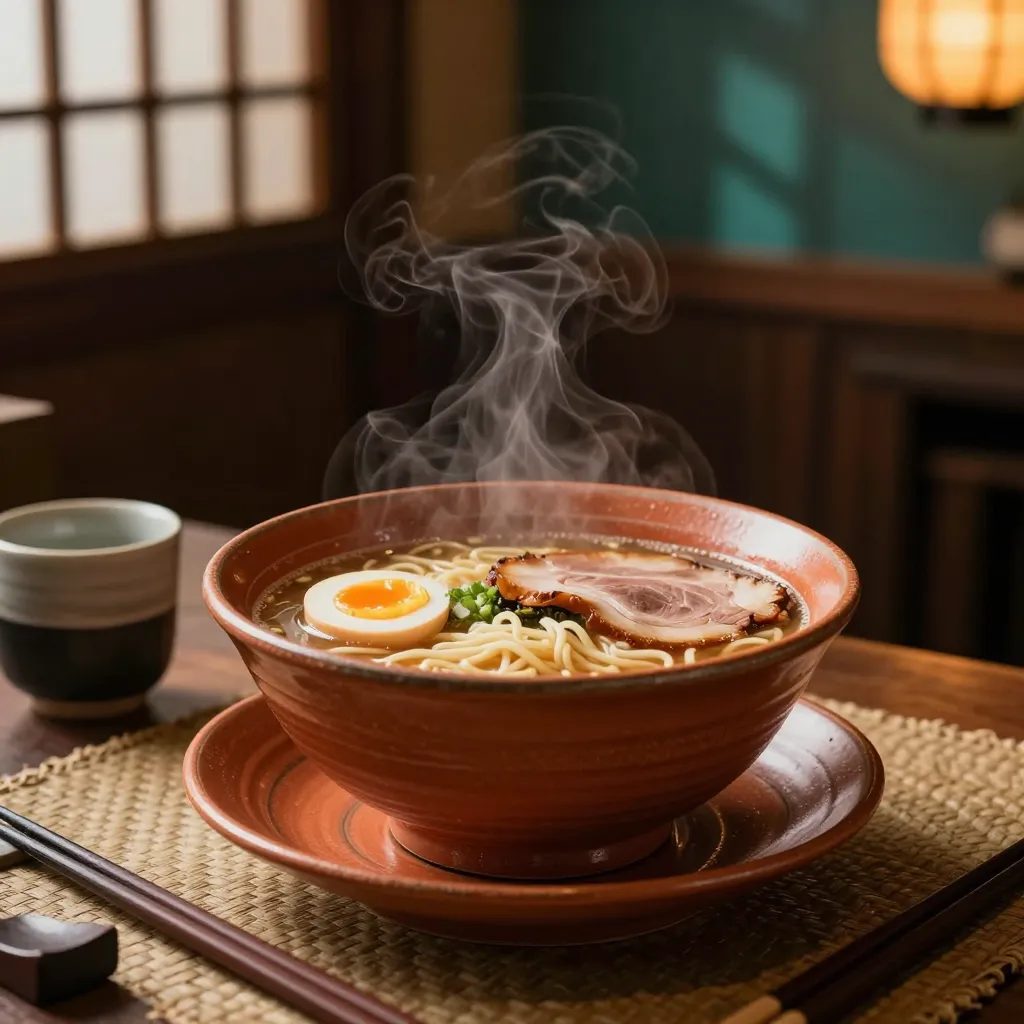
Ramen: Japan's Comfort Food Revolution
Ramen has evolved from a post-war staple to a culinary phenomenon. Each region boasts its own style:
- Tokyo: Shoyu-based ramen with clear, soy-sauce-infused broth
- Hokkaido: Miso ramen with hearty, fermented soybean paste
- Kyushu: Rich tonkotsu (pork bone) broth
- Hakata: Ultra-rich, creamy tonkotsu with thin noodles
Visit ramen-ya in Tokyo's Shinjuku district for late-night bowls, or explore hidden gems in Fukuoka's Nakasu district. For a unique experience, try tsukemen (dipping ramen) in Yokohama, where thick noodles are served separately and dipped into concentrated broth.
Izakayas: The Soul of Japanese Dining
Izakayas are casual taverns where locals gather after work. Unlike formal restaurants, izakayas focus on sharing small plates (tsumami) and sake. In Tokyo's Shinbashi district, you'll find traditional establishments serving yakitori (grilled skewers) alongside modern interpretations of Japanese tapas. Look for places specializing in seasonal offerings like nasu (eggplant) in summer or matsutake mushrooms in autumn. Don't skip the oden—a winter comfort food of simmered root vegetables and fish cakes served in dashi broth.
Regional Specialties: A Taste of Terroir
Hokkaido
Known for dairy products and seafood. Try jingisukan (Genghis Khan BBQ) with lamb and local vegetables, or fresh uni (sea urchin) from the morning markets.
Kyoto
The heart of kaiseki (multi-course haute cuisine). Experience traditional tofu dishes like yudofu (simmered tofu) in temple restaurants, or matcha-infused sweets at century-old wagashi shops.
Osaka
Japan's kitchen, famous for takoyaki (octopus balls) and okonomiyaki (savory pancakes). In Dotonbori district, street vendors serve these dishes with theatrical flair.
Okinawa
Distinct from mainland Japan, with tropical influences. Try rafute (braised pork belly) and awamori (local distilled liquor) made from Thai long-grain rice.
Markets and Street Food: The Pulse of Urban Life
Tsukiji Outer Market in Tokyo is a must for early risers, offering tamagoyaki (sweet rolled omelets) and fresh seafood. In Osaka's Kuromon Market, sample kushiage (deep-fried skewers) and live seafood. Don't miss:
- Taiyaki (fish-shaped pastries filled with sweet red bean paste)
- Taiyaki variations with custard or chocolate
- Yakitori stalls in Yoyogi Park on weekends
- Hoshigaki (persimmon dried fruit) in autumn markets
Sake and Beyond: Japan's Liquid Culture
Japan's beverage landscape extends far beyond sake:
- Sake: From crisp junmai-daiginjo to rich nigori (unfiltered sake). Visit breweries in Niigata for its "sake kingdom" reputation.
- Shochu: A distilled spirit often made from sweet potatoes. Try awamori in Okinawa or imo-jochu in Kyushu.
- Craft Beer: Breweries like Baird Beer in Shizuoka offer unique takes using Japanese ingredients like yuzu and sansho pepper.
- Matcha: Experience the tea ceremony in Uji (near Kyoto) or visit a modern matcha café in Tokyo for innovative desserts and drinks.
Seasonal Festivals and Food Rituals
Hanami (Cherry Blossom Viewing)
Enjoy bento boxes and sakura-themed treats under blooming trees. Look for sakura mochi (sweet rice cakes with cherry blossom leaves).
Obon (Summer Festival)
Street foods include takoyaki and yakisoba, with cold somen noodles for hot days.
New Year (Oshogatsu)
Partake in osechi (lacquered boxes with symbolic foods) and toshikoshi soba (longevity noodles).
Practical Tips for Food Adventurers
- Cash is King: Many small eateries and markets don't accept cards.
- Dining Etiquette: Slurping noodles is acceptable and shows appreciation. Never stick chopsticks upright in rice.
- Non-English Menus: Carry a translation app or point to pictures in menu displays.
- Reservations: Essential for popular kaiseki restaurants and sushi-ya.
- Vegetarian Options: Traditional Buddhist cuisine (shojin ryori) offers plant-based meals at temples.
Japan's food and drink scene is a journey through time and taste. Whether you're sipping sake in a centuries-old brewery or slurping ramen in a tiny Tokyo shop, every bite connects you to the country's rich cultural tapestry. The real magic happens when you venture beyond tourist districts and follow locals to neighborhood eateries, market stalls, and hidden bars where authentic experiences await.