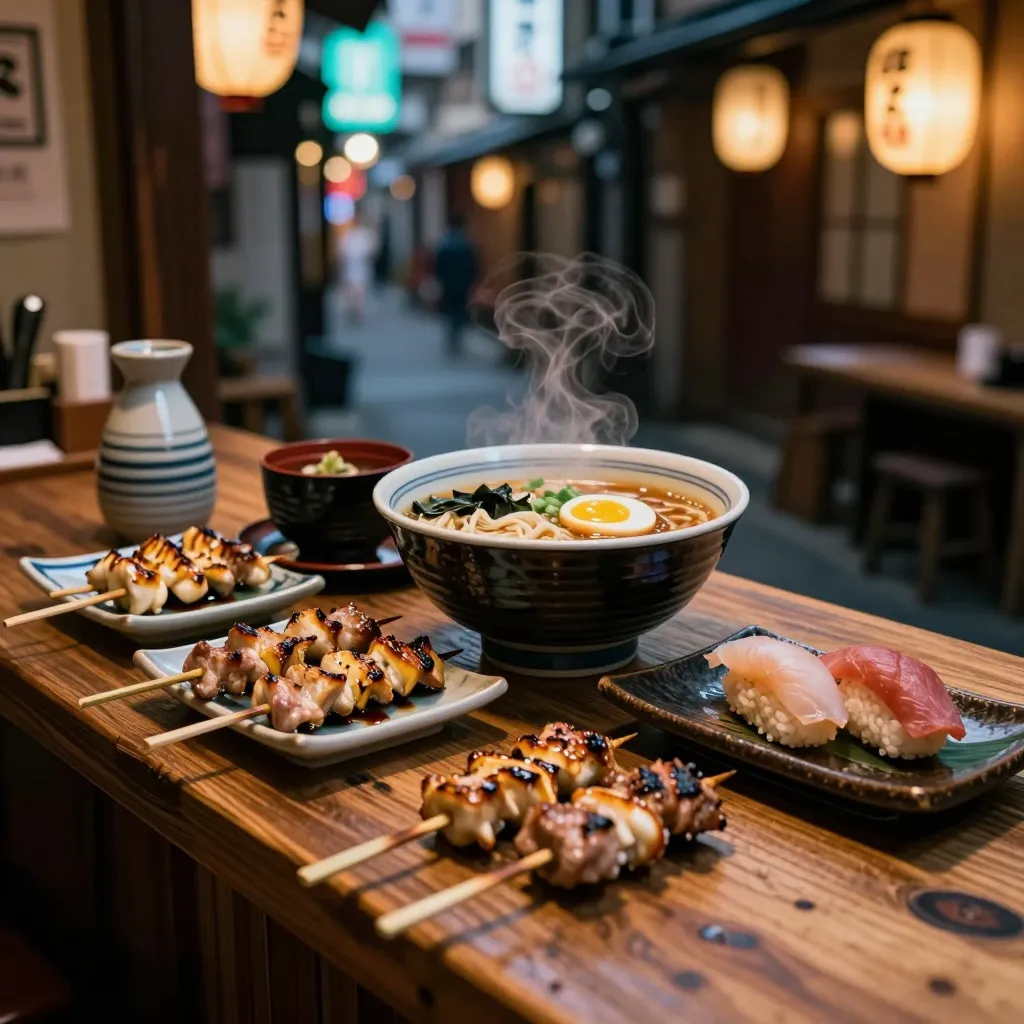
Your Ultimate Japan Food Guide: Must-Try Dishes and Hidden Eateries
Explore Japan's rich culinary landscape beyond sushi and ramen. From Hokkaido's seafood markets to Osaka's street food stalls, this guide reveals regional specialties, neighborhood gems, and practical dining strategies for travelers seeking authentic flavors off the beaten path.
Your Ultimate Japan Food Guide: Must-Try Dishes and Hidden Eateries Beyond the Tourist Trail
Japan rewards travelers who step beyond the postcard destinations with flavors that linger long after the suitcase is packed. This guide cuts through the noise to deliver the dishes, neighborhoods, and dining moments that define authentic Japanese food culture.
The Foundation: Essential Japanese Dishes Every Traveler Must Know
Japanese cuisine runs deeper than sushi and ramen, though mastering these classics matters. Sushi demands attention to seasonality—spring brings sweet shrimp and fatty tuna, summer showcases age (bluefin belly), autumn delivers uni (sea urchin), and winter features shirako (milk fish testes) for the adventurous. Tokyo's Tsukiji Outer Market still operates pre-dawn for serious procurement, though most travelers benefit from neighborhood sushi-ya where chefs plate with more intimacy.
Ramen varies dramatically by region. Sapporo delivers rich miso broth loaded with butter and corn. Hakata in Kyushu produces thin, milky-tonkotsuベース that coats the spoon. Tokyo-style ramen features clearer chicken-and-dashi broth with slightly wavy noodles. Each prefecture has developed its own identity—seek regional specificity rather than settling for convenience.
Beyond the obvious: Regional Specialties That Define Local Identity
Hokkaido: Seafood Supermarket Meets Comfort Food
The northern island excels at uni pasta (creamy sea urchin over linguine), fresh crab preparations, and lamb-based Jingisukan barbecue. Sapporo's Nijo Market operates as a living supermarket where you can purchase raw seafood and have it grilled on the spot. The dairy scene produces exceptional soft-serve ice cream from local milk—seek flavors like lavender or melon at farm stands along rural routes.
Kyoto: The Art of Vegetarian and Refined Small Plates
Kyoto's Kaiseki tradition represents Japanese culinary philosophy—seasonal, aesthetic, contemplative. Nishiki Market (nicknamed "Kyoto's Kitchen") stretches five blocks of vendors selling pickled vegetables, Kyoto-style tofu preparations, and specialty sweets. The city's tea culture extends into wagashi (traditional confections) designed to accompany matcha. Look beyond the tourist corridors of Gion to find kappou restaurants where chefs prepare focused tasting menus at counter seating.
Osaka: The Kitchen of Japan Loves Street Food
Osaka developed its reputation through commerce and street vending. Takoyaki (octopus fritters with crispy exteriors and molten centers) and okonomiyaki (savory pancakes with cabbage, pork, and customizable toppings) define the snacking culture. Dotonbori's neon chaos distracts from the serious kushikatsu (deep-fried skewers) tradition—try Daruma or Tanaka for breaded, skewered meats and vegetables served with thick Worcestershire-based sauce. Kushikatsu etiquette requires dipping once and not double-dipping.
Fukuoka: Tonkotsu Dynasty
This Kyushu city perfected the white, rich pork bone broth that conquered global ramen consciousness. At yatai (food stalls) along the Nakasu River, you can experience博多美人 (Hakata Bijin) or Ichiran—but also venture to Tenjin for regional specialties like mentaiko (spicy cod roe) and high-quality chicken yakitori from local farms.
The Eater's Playbook: Practical Strategies for Finding Authentic Food
Timing Your Meals Strategically
Japanese restaurants operate on tight margins and precise systems. Lunch often delivers the same quality as dinner at 30-40% lower cost—omakase sushi courses during lunch at major Ginza establishments can run ¥2,000-4,000 versus ¥15,000+ for comparable evening experiences. Avoid the 7-8 PM dinner rush; many top establishments close by 9 PM.
Mastering the Reservation Culture
High-end sushi-ya, kaiseki restaurants, and specialized establishments require advance booking—sometimes weeks or months for Michelin-starred venues. Tabelog (Japanese-language review site) and Pocket Concierge handle reservations for establishments that accept them. Some counters maintain standing reservation lists for regulars; walking in requires either off-peak timing or established reputation.
Decoding Restaurant Signs
Bilingual signage exists in tourist zones, but venturing slightly off-path means understanding markers. 立食い (tachigui) indicates standing-only dining, typically cheaper and faster. 創作 (sousaku) signals creative or fusion interpretations. 居酒屋 (izakaya) translates to pub-style small plates meant for ordering family-style with drinks. 定食 (teishoku) denotes set meals with rice, soup, and small dishes—reliable and budget-friendly.
Neighborhood Food Destinations Worth the Detour
Shimokitazawa, Tokyo
This bohemian neighborhood near Shibuya hosts vintage clothing stores, live music venues, and intimate restaurants hidden in basement-level spaces. The area attracts creative professionals and students who demand good food without pretension. Seek the izakaya alleys running between the two main train lines.
Teramachi, Kyoto
Running parallel to the more famous Shijo Avenue, this shopping district contains approximately 120 specialty shops including tea houses, pickle producers, and traditional confectioners. The covered arcade creates shelter for unhurried exploration.
Sanjō Hitotate, Kanazawa
In this city (accessible via Shinkansen from Tokyo), the Hitotate district concentrates traditional ochaya (teahouses) alongside contemporary galleries. The neighborhood serves kaga cuisine—regionally distinct from Kyoto's offerings and featuring ingredients like persimmon leaf sushi and specialty vegetables grown in surrounding Ishikawa prefecture.
Common Mistakes Travelers Make
Over-planning kills spontaneity. Japanese cities reward wandering. Many memorable meals emerge from spotting an interesting shopfront, noting a line of locals, or following a smell. Leave one or two meals unplanned.
Ignoring Convenience Store Quality. Seven-Eleven, Lawson, and FamilyMart in Japan operate on a different tier than their Western counterparts. Lawson premium lines and convenience store onigiri (rice balls) with pickled plum or grilled salmon rival dedicated establishments. The hot food sections, particularly curry and noodle bowls, function as legitimate backup options.
Assuming All Udon Is Equal. Sanuki udon from Kagawa prefecture sets the standard—thick, chewy noodles in clear dashi broth. The prefecture receives pilgrimage from serious noodle enthusiasts. In Tokyo, various chains like Marugame Seimen maintain acceptable quality at accessible prices.
Disregarding Breakfast Culture. Ryokan (traditional inn) breakfasts demonstrate Japanese breakfast philosophy—rice, miso soup, fish, pickles, egg, and occasionally natto (fermented soybeans). Many locals eat breakfast at standing noodle counters near train stations. Conbini breakfast works in a pinch but undersells the morning meal experience.
Seasonal Considerations for Food Travelers
Spring (March-May) brings sakura mochi (cherry blossom rice cakes), bamboo shoots, and fresh green peas. Cherry blossom viewing (hanami) involves elaborate picnics with seasonal Bento boxes. Strawberry season peaks with dedicated picking farms accessible from major cities.
Summer (June-August) means shaved ice (kakigori) with regional syrups, cold somen noodles, and grilled eel on rice (unagi) to counter exhaustion from heat and humidity. The Obon festival period increases travel complexity but offers regional food fairs.
Autumn (September-November) represents peak culinary tourism season. Matsutake mushrooms command premium prices and appear in premium dishes. Sanma (Pacific saury) fish arrives seasonally, as do chestnuts and mountain vegetables. This period commands the highest accommodation rates.
Winter (December-February) showcases nabe (hot pot) culture, oden stew, and warming sake options. Strawberry daifuku, citrus like mikan oranges, and regionally distinct hot pot variations define cold-weather eating. Year-end (December 29-31) limits restaurant availability—plan accordingly.
Budget Navigation: Eating Well Without Exhausting Funds
The ¥1,000-2,000 lunch category delivers omakase fish courses, ramen with extra toppings, and set meals at establishments that serve premium dinner clientele. Department store basement food halls (depachika) in Mitsukoshi, Takashimaya, or Isetan offer ¥500-800 prepared items rivaling sit-down establishments.
Train station fare has evolved beyond frozen bento boxes. Major Shinkansen stations now host artisanal food courts with regional specialties. The bento box culture remains worth exploring—ekiben (train station bento) varies by departure point, and eating one on the train itself adds travel memory.
Convenience store strategy involves walking to the back refrigerators for seasonal items, specialty items stocked by regional location, and onigiri made fresh rather than pre-packaged. Lawson Natural maintains healthy food lines. FamilyMart Premium serves higher-quality prepared items.
Final Thoughts: The Mindset That Opens Doors
Japanese food culture rewards patience and curiosity over reservations and itineraries. The chef's attention to ingredient quality, seasonal availability, and technique transfers across price points—street-side takoyaki vendors execute their craft with same precision as three-Michelin-starred sushi masters. Approach each meal as an education rather than a transaction.
The most memorable meals often come from:
- Following local workers to their regular spots
- Eating at the counter rather than requesting private seating
- Ordering something beyond your current vocabulary
- Accepting that timing, not money, determines access to certain establishments
Japan's food landscape evolves seasonally, regionally, and culturally. Return visits reveal how completely different the same city feels through its changing kitchen calendar. This isn't a trip to complete—it's a relationship to develop across multiple journeys and intentional eating moments.