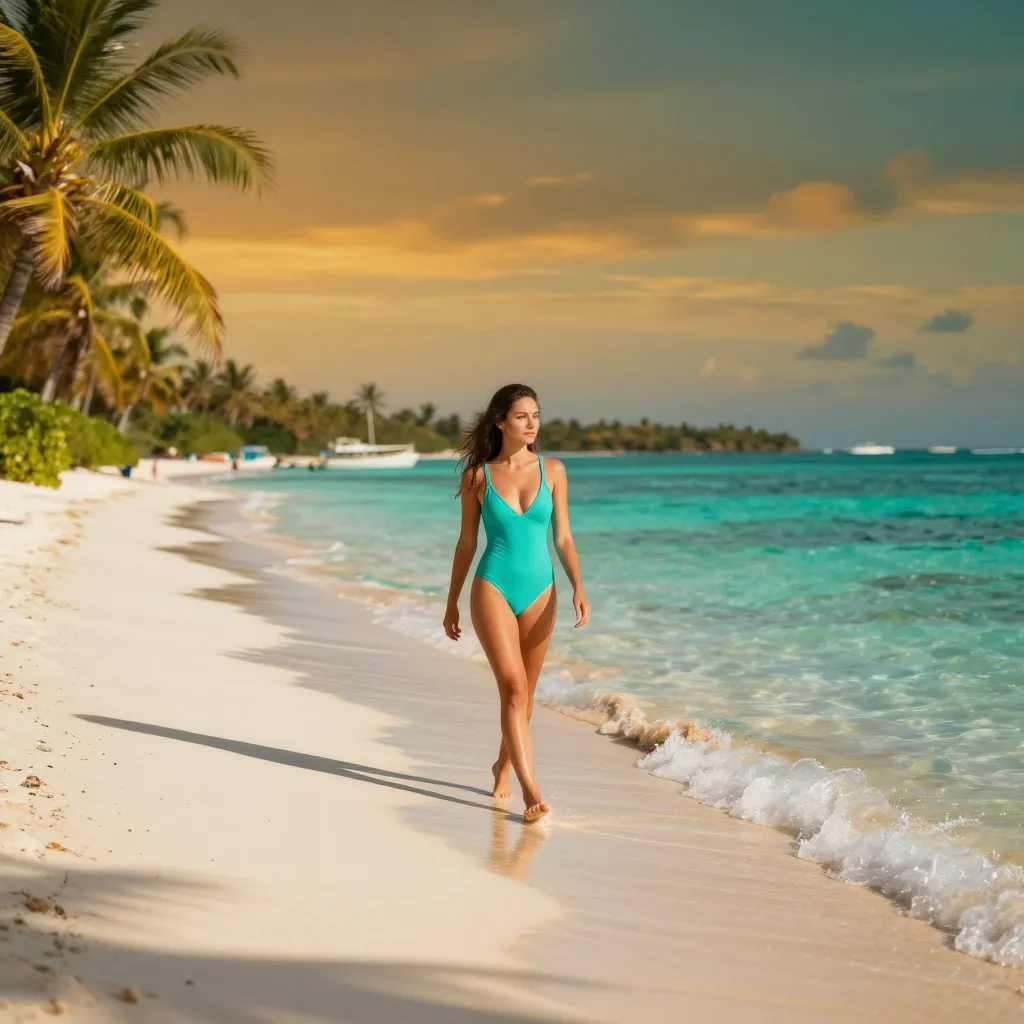
Ko Lipe: Thailand's Hidden Paradise Travel Guide
Ko Lipe offers a tranquil escape in Thailand's Tarutao National Marine Park, featuring crystal-clear waters and powdery sand. Perfect for snorkeling enthusiasts and beach lovers, it combines accessibility with authentic Thai cuisine and car-free serenity.
Ko Lipe: A Complete Travel Guide to Thailand's Hidden Paradise
Ko Lipe sits at the southern edge of Thailand, a tiny island that punches well above its weight in natural beauty. Part of the Tarutao National Marine Park archipelago, this once-sleepy fishing outpost has transformed into one of the country's most coveted island escapes. The journey here requires effort—flights, vans, and boats—but that isolation preserves something increasingly rare in Southeast Asian tourism: an island small enough to walk across in under an hour, where the rhythm of life still follows the tides.
The island's reputation precedes it. Turquoise water so clear you can spot fish from your sun lounger. Powdery white sand that stays cool even at midday. No cars, no motorbikes for rent, no traffic noise—just the putter of longtail boats and the occasional call of a sea eagle. Yet Ko Lipe carries the weight of its own popularity. Tourism has surged, prices have climbed, and development has occasionally outpaced infrastructure. Still, when the afternoon light hits the Andaman Sea just right, it's easy to understand why visitors keep coming back.
Where to Stay: Beaches and Budgets
Ko Lipe's accommodation spreads across three main beaches, each offering a distinct experience. Your choice of beach shapes your entire stay.
Pattaya Beach serves as the island's front door. This is where speedboats and ferries deposit their passengers, where Walking Street begins, and where the highest concentration of restaurants and bars cluster. The beach itself curves gently with soft sand and calm swimming water. Resorts here range from mid-range beachfront bungalows to higher-end properties with pools and spa services. The trade-off is proximity to the island's limited nightlife and the comings and goings of boats.
Sunrise Beach stretches along the island's eastern shore, facing the open sea. Morning here delivers spectacular dawn colors, and the beach maintains a slightly more relaxed atmosphere than Pattaya. The snorkeling is better directly off the sand, with coral patches visible in the shallows. Resorts tend toward the rustic-chic aesthetic—wooden bungalows, hammocks, outdoor showers. The walking path behind the beach connects to Walking Street in about ten minutes.
Sunset Beach occupies the western coast, smaller and quieter than its counterparts. The sand here mixes with coral fragments, making it less ideal for barefoot strolling, but the views toward the setting sun are unmatched. Only a handful of properties operate here, appealing to travelers who prioritize solitude over convenience.
Walking Street itself offers the island's best value. Set back from the sand, guesthouses and small hotels here provide clean, simple rooms at rates significantly below beachfront properties. You're never more than a five-minute walk from either Pattaya or Sunrise Beach, and the street's restaurants and shops sit at your doorstep.
For those seeking genuine escape, Ko Adang looms across the channel, a ten-minute longtail ride away. This larger, undeveloped island offers national park camping, basic bungalows, and a single resort. The hiking trails lead to viewpoints overlooking Ko Lipe, and the beaches see a fraction of the visitors.
What to Do: Beyond the Beach
Ko Lipe functions primarily as a place to slow down. The island's compact size—roughly two kilometers end to end—encourages a leisurely pace. Rent a snorkel and mask from any beachfront shop and spend hours drifting above coral gardens. The water clarity often exceeds twenty meters, revealing parrotfish, clownfish, and the occasional reef shark.
Island-hopping remains the most popular organized activity. Standard day trips visit Ko Hin Ngam, known for its polished black pebbles, and Ko Rawi, with excellent snorkeling and shaded beaches. Local legend warns against removing stones from Ko Hin Ngam—the sea spirits supposedly curse thieves with bad fortune. Whether you believe the myth or not, the beach's unique appearance justifies the stop.
Divers find several reputable operators on Walking Street offering trips to sites like Stonehenge, where granite boulders create swim-throughs and hiding spots for marine life. Visibility peaks during the dry season, though currents can run strong.
Independent travelers can hire longtail boats for custom trips. A hundred baht each way gets you to Ko Adang, where a steep trail climbs to Chado Cliff viewpoint. The hike takes roughly forty minutes, requiring sturdy shoes—the path gets slippery after rain. Three separate viewing platforms offer progressively better panoramas of Ko Lipe and the surrounding archipelago.
Fishing trips depart in early morning or late afternoon, with operators cleaning and grilling the catch onboard. It's an expensive option compared to restaurant dining, but the experience of eating fresh-caught fish while anchored in turquoise water justifies the splurge for many visitors.
Eating and Drinking: Southern Thai Flavors
Ko Lipe's food scene reflects its geography—southern Thai cuisine with Malay influences, heavy on seafood and spice. The island's position near the Malaysian border means roti appears everywhere, from morning breakfast stalls to late-night snacks. These thin, flaky pancakes come stuffed with egg and banana, drizzled with condensed milk, or wrapped around savory curry fillings.
Morning starts with coffee and roti along Walking Street, or at one of the Western-oriented cafes that have opened to serve the island's international crowd. Fresh fruit shakes—mango, pineapple, watermelon—provide liquid refreshment throughout the day.
Lunch often happens beachside, at casual restaurants serving grilled fish, som tam (green papaya salad), and massaman curry. Prices climb noticeably at tables directly on the sand; walking fifty meters inland saves significantly.
Dinner brings the island's social energy to the fore. Pattaya Beach restaurants set up tables on the sand, lanterns flickering as the sun drops. Fire shows—spinners manipulating flaming ropes and staffs—entertain crowds at several beachfront bars. The spectacle draws mixed reactions from travelers; some find it touristy, others embrace the festive atmosphere.
For authentic local cooking, seek out the smaller restaurants tucked along Walking Street's side alleys. Southern Thai specialties like kua kling (dry-fried curry with minced meat) and gaeng som (sour curry with fish) appear on menus alongside standard tourist fare. Fresh seafood arrives daily—choose your fish from ice displays and specify preparation.
When to Visit: Seasonal Considerations
Ko Lipe operates on a strict seasonal calendar. The Tarutao National Marine Park closes entirely from mid-May through mid-October, the monsoon months when rough seas make boat travel dangerous and accommodation shuts down. Some restaurants and shops remain open, but transport connections become unreliable.
The peak season runs November through April, with December and January seeing the highest visitor numbers and prices. February and March offer the best compromise—stable weather, good visibility for snorkeling, and slightly thinner crowds. April brings heat and humidity before the rains arrive.
Water temperature stays consistently warm year-round, rarely dropping below 28°C. Sun protection remains essential; the tropical sun burns quickly, especially when reflected off white sand and water.
Getting There: The Journey South
No airport serves Ko Lipe directly. Most travelers fly to Hat Yai, the nearest major city, then continue overland to Pak Bara pier. The flight from Bangkok takes roughly ninety minutes, with multiple daily departures on low-cost carriers. From Hat Yai airport, minivans make the two-hour drive to Pak Bara, timed to meet ferry departures.
Pak Bara functions as the main gateway to the southern islands. Speedboats and ferries run regularly from November through May, with reduced schedules during the shoulder months. The crossing to Ko Lipe takes ninety minutes to two hours depending on vessel type and sea conditions. Some boats stop at Ko Bulon Leh or Ko Tarutao en route.
Alternative routes connect Ko Lipe to other tourist islands during high season. Ferries run from Ko Lanta, Ko Ngai, Ko Kradan, and Ko Mook, allowing multi-island itineraries without returning to the mainland. These routes operate weather-permitting and often sell out during peak periods—book in advance.
National park fees apply to all visitors. The entrance ticket (200 baht for adults) covers five days and should be carried when visiting other islands in the marine park. An additional pier fee of approximately 20 baht applies at Pak Bara.
Getting Around: Life Without Cars
Ko Lipe prohibits private vehicles, creating an unusual freedom of movement. The island's narrow concrete paths and beach sand handle all traffic. Motorbike taxis with sidecars function as the primary transport for luggage and tired legs—negotiate prices before boarding, though distances are short enough that walking usually suffices.
Most visitors rarely need transport. The walk from Pattaya Beach to Sunrise Beach takes under ten minutes. Sunset Beach requires a slightly longer stroll across the island's narrow waist. Walking Street connects everything, lined with shops selling sunscreen, snacks, and island necessities at inflated prices.
Beyond Ko Lipe: Exploring Satun Province
Ko Lipe sits within Satun UNESCO Global Geopark, Thailand's first such designation. The geopark encompasses dramatic limestone formations, prehistoric cave paintings, and unusual rock structures accessible by sea kayak. Guided tours depart from the mainland, exploring mangrove channels and hidden lagoons.
Ko Tarutao, the marine park's namesake island, offers a complete contrast to Ko Lipe's developed shores. Once a prison colony during the 1930s and 40s, the island now hosts only national park accommodation—tents and basic bungalows. Wildlife thrives here: dusky langurs, hornbills, monitor lizards, and wild pigs roam freely. Trails lead to the old prison ruins and crocodile cave, named for the reptiles that once inhabited its waters.
Ko Bulon Leh strikes a middle ground between Tarutao's wilderness and Lipe's amenities. A small Chao Ley (sea gypsy) community maintains traditional fishing practices alongside a handful of low-key resorts. The island feels less commercialized than Ko Lipe, with quieter beaches and a slower pace.
Ko Lipe ultimately rewards travelers who embrace its contradictions. Yes, it's crowded during peak season. Yes, prices exceed those on less famous islands. But the combination of accessibility, natural beauty, and car-free tranquility remains difficult to match. Arrive with realistic expectations, book accommodation well in advance, and allow time to simply exist in a place where the primary soundtrack is waves meeting shore.