The Ultimate Switzerland Winter Travel Guide: From Slopes to Christmas Markets
Explore Switzerland’s premier winter destinations, from Zermatt’s legendary ski slopes to the tranquil trails of the Engadin. Whether you seek high-speed thrills or cozy Christmas markets, this guide covers everything you need for the perfect alpine escape.
Switzerland in Winter: A Complete Guide to Alpine Adventures
Switzerland transforms into a snow-covered wonderland each winter, offering an unmatched combination of pristine slopes, traditional mountain culture, and outdoor activities that extend far beyond skiing. From the high-altitude glamour of Zermatt to the Nordic trails of the Engadin valley, the country delivers experiences for every type of cold-weather traveler.
Alpine Skiing and Snowboarding
The Swiss Alps host some of the world's most legendary ski terrain. Resorts like Verbier, St. Moritz, and Zermatt offer extensive lift networks connecting high-altitude glaciers with tree-lined descents. What distinguishes Swiss skiing is the infrastructure: efficient mountain railways, heated lift seats, and impeccably groomed pistes that cater to everyone from first-timers to professional freeriders.
For those seeking variety, many resorts now integrate terrain parks with halfpipes, rails, and jumps alongside traditional alpine runs. The Swiss Snow App provides real-time conditions across all major areas, eliminating guesswork about which slopes hold the best powder on any given morning.
Nordic Skiing: The Other Side of Winter
Cross-country skiing maintains a devoted following in Switzerland, with over 5,000 kilometers of prepared tracks traversing frozen lakes, mountain passes, and valley floors. The Engadin Ski Marathon draws 13,000 participants annually to a course that follows the Inn River through villages unchanged for centuries. Yet you need not compete to appreciate the discipline's quiet appeal.
The Jura region offers gentler terrain through rolling farmland and pine forests, while higher elevation tracks in Graubünden and Valais provide challenging climbs and panoramic ridge traverses. Many hotels specifically cater to Nordic skiers with trail-accessible locations and waxing rooms.
Snowshoeing and Winter Walking
Not every winter visitor seeks speed. Snowshoe trails and winter hiking paths provide access to landscapes unreachable by lift or groomed track. These routes—marked and maintained throughout the season—lead through snow-laden forests, across frozen meadows, and to viewpoints where the silence of deep winter prevails.
Equipment rentals are available at most outdoor shops, and the required technique is minimal: if you can walk, you can snowshoe. The activity particularly suits those who want to experience the Alps without the crowds or cost of downhill skiing.
Tobogganing: Accessible Thrills
Switzerland maintains a strong tobogganing culture with dedicated runs that range from gentle family slopes to steep descents requiring precise steering. Many routes operate into the evening, with floodlit tracks creating an entirely different atmosphere from daytime runs. The combination of speed, accessibility, and minimal equipment requirements makes this an ideal group activity.
Winter Beyond the Slopes
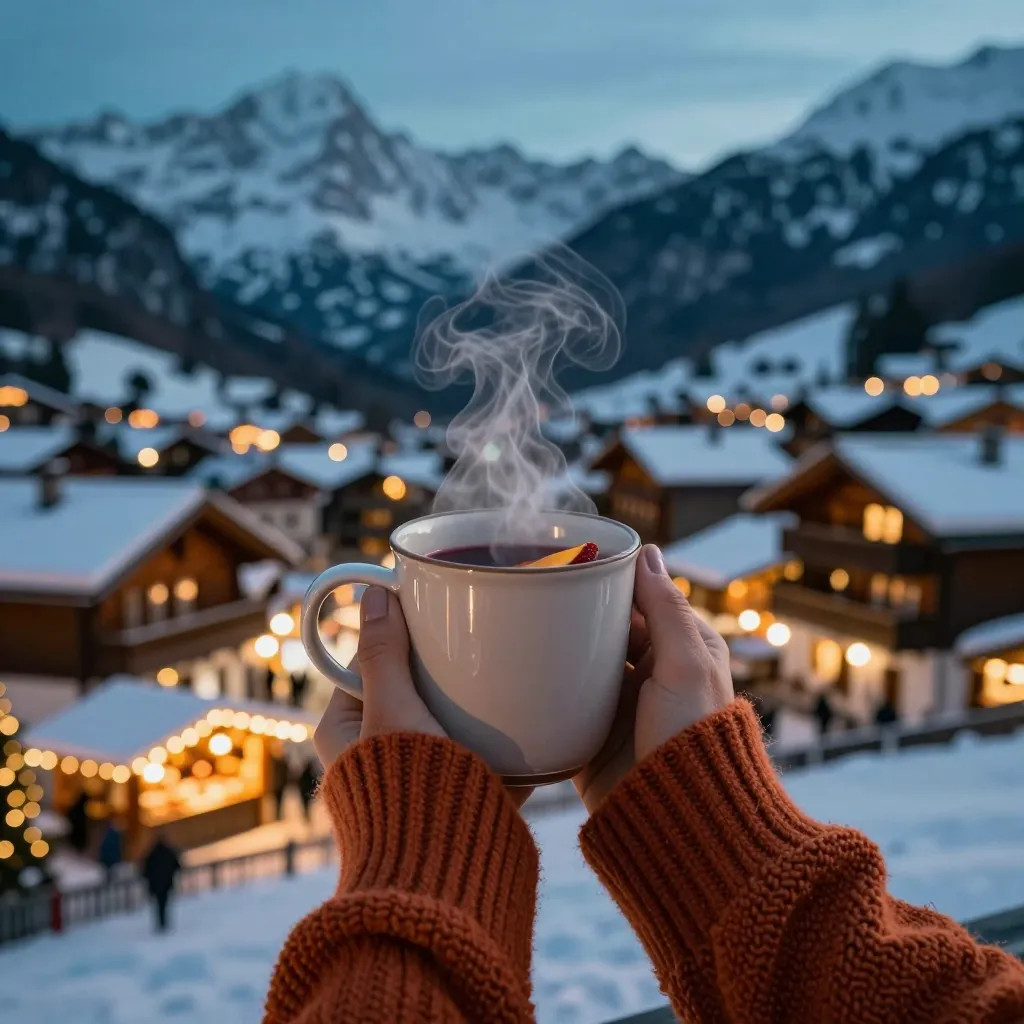
Swiss winter culture encompasses more than athletic pursuits. Natural and artificial ice rinks appear in city centers and mountain villages alike, offering skating against backdrops of medieval architecture or sheer granite walls. Christmas markets in Basel, Zurich, and smaller alpine towns feature mulled wine, raclette stations, and handcrafted goods through December.
For families, the country offers specialized infrastructure: kids' ski schools with instruction in multiple languages, childcare facilities at major resorts, and accommodation packages that include equipment fitting and lift pass arrangements.
Practical Considerations
Switzerland's compact geography means multiple ski regions are accessible from any base. The integrated public transport system—trains, postal buses, and mountain railways—eliminates the need for rental cars in most cases. Many hotels position themselves specifically for ski-in/ski-out access or proximity to trailheads.
Accommodation ranges from historic grand hotels to modern lodges with spa facilities. Booking early is essential for peak periods, particularly Christmas and February school holidays. Mid-week stays often provide better rates and quieter slopes.
The winter season typically runs from late November through April at higher elevations, with glacier skiing available year-round at select locations. Lower altitude resorts and cross-country tracks depend more heavily on natural snowfall, making February and March the most reliable months for valley-level activities.
Switzerland's winter offering succeeds because it accommodates diverse interests within a manageable geography. Whether your priority is technical skiing, family activities, or simply experiencing alpine winter at a walking pace, the infrastructure and landscape support your choice without compromise.