Exploring Kyoto: A Complete Guide to the City's Most Iconic Districts
Planning a trip to Japan? This guide explores Kyoto's essential districts, helping you choose the perfect neighborhood for your stay. From traditional tea houses to scenic bamboo groves, find exactly where to experience the heart of Japanese culture.
Kyoto Districts: A Complete Guide to Exploring the City
Kyoto is not a city you conquer in a day. Its temples, shrines, gardens, and atmospheric streets are spread across distinct neighborhoods, each carrying a different rhythm and personality. Whether you are hunting for golden pavilions, bamboo groves, or quiet backstreets lined with wooden machiya townhouses, knowing how the city is organized will save you time and help you travel deeper.
Here is a practical breakdown of Kyoto's key districts, arranged roughly by importance for first-time visitors.
Southern Higashiyama
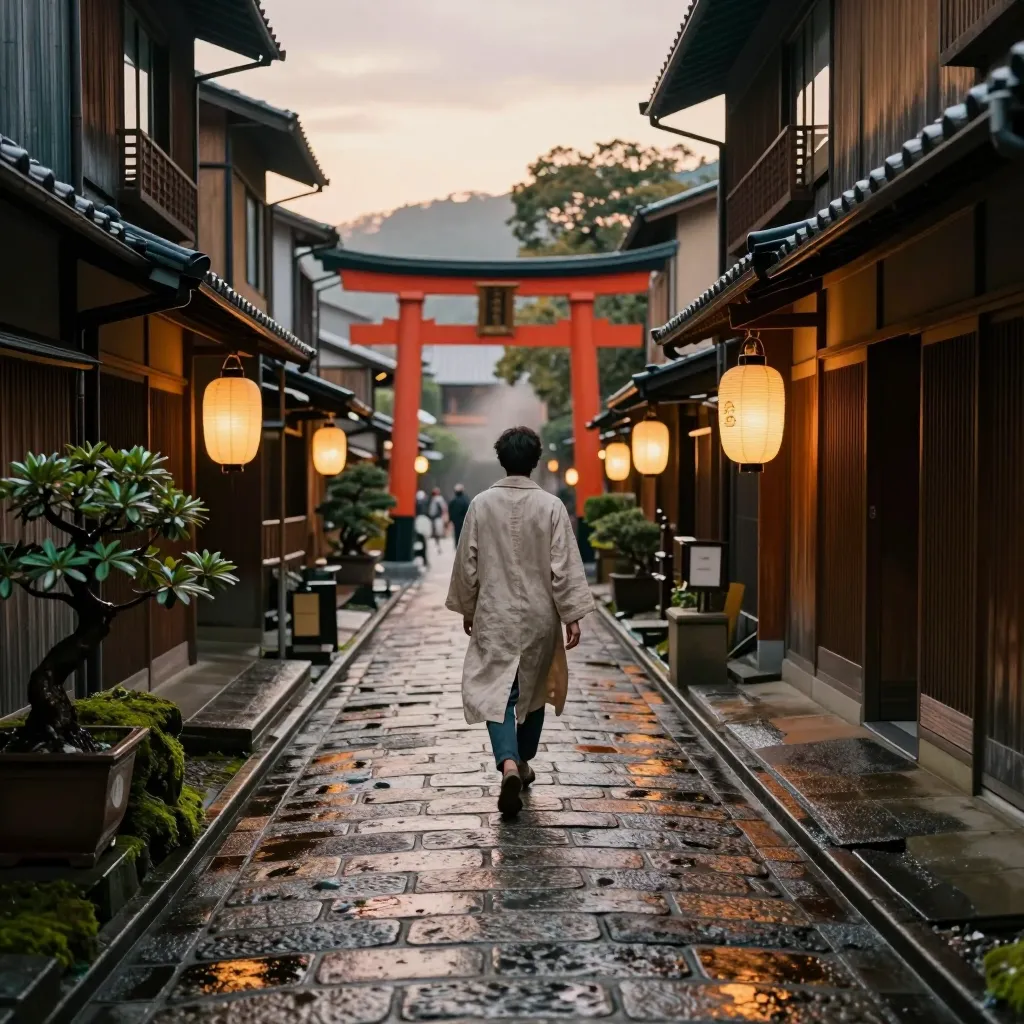
If you visit only one district, make it this one. Southern Higashiyama is Kyoto's densest concentration of world-class sights. The hillside lanes between Kiyomizu-dera Temple and Yasaka Shrine are lined with preserved wooden buildings, tea houses, and craft shops. After dark, the narrow streets of Gion shift into Kyoto's most famous geisha district, where ochaya (teahouses) still operate much as they did centuries ago.
Do not miss: Kiyomizu-dera, Kodai-ji, Yasaka Shrine, the Philosopher's Path extension, and an evening walk through Gion's backstreets.
Northern Higashiyama
Just north of its southern sibling, this area feels greener and less congested. The temple density remains extraordinary — Nanzen-ji, Ginkaku-ji (the Silver Pavilion), and Honen-in are all here — but the crowds thin out and the walking paths thread through moss gardens and hillside forest. It rewards slow exploration.
Best for: A full morning or afternoon of temple-hopping without the crush of tour buses.
Downtown Kyoto
Shijo-dori and Kawaramachi-dori form the commercial heart of the city. This is where you will find department stores, covered shopping arcades like Nishiki Market (the "Kitchen of Kyoto"), and the highest concentration of restaurants and bars. It is not a primary sightseeing zone, but it is essential for logistics, dining, and evening energy.
Use it for: Meals, shopping, nightlife, and as a transport hub between other districts.
Central Kyoto
Two heavyweight sights anchor this area: the Kyoto Imperial Palace (Kyoto Gosho) and Nijo Castle. The palace grounds are expansive and free to enter; Nijo Castle offers a vivid look at shogunate architecture with its famous "nightingale floors" designed to squeak under intruders. Several smaller museums and galleries fill in the gaps.
Good for: A half-day of structured sightseeing with flat, easy walking.
Nishijin
Kyoto's historic weaving district sits in the northwest quadrant of the city center. Unlike the polished tourist corridors of Higashiyama, Nishijin feels lived-in. Old machiya townhouses still function as homes and workshops. If you want to see how Kyoto looked before the modern era, wander these residential streets.
Why go: Authentic architecture, textile history, and a break from the temple circuit.
Northwest Kyoto
This area requires a deliberate trip — it is not on the way to anything else — but the payoff is significant. Kinkaku-ji (the Golden Pavilion) is the headline act, yet Ryoan-ji's rock garden and the sprawling Myoshin-ji temple complex are equally compelling. The district sits at the edge of the Kitayama Mountains, so the air feels cooler and the scenery more rural.
Plan for: A half-day minimum. Go early to beat the Golden Pavilion crowds.
Arashiyama
The second-most important sightseeing district after Southern Higashiyama. The bamboo grove gets the Instagram attention, but Arashiyama's real strength is its variety: Tenryu-ji Temple (a UNESCO World Heritage Site), the Okochi-Sanso villa, the monkey park, and the Hozu River gorge. The Togetsukyo Bridge serves as the district's scenic centerpiece.
Best approach: Combine the bamboo grove with Tenryu-ji and a riverside walk. Avoid midday if possible.
Kyoto Station Area
Most visitors pass through here whether they intend to or not. Kyoto Station itself is an architectural statement — a vast glass-and-steel atrium with a rooftop garden offering city views. The surrounding blocks are heavy on chain hotels, electronics stores, and the Isetan department store. It functions best as a transit and accommodation base rather than a destination.
Southeast Kyoto
At the far southern end of the Higashiyama range, this district holds two of Kyoto's most spiritually charged sites. Fushimi Inari-Taisha, with its thousands of vermillion torii gates winding up Mount Inari, is one of the most iconic experiences in Japan. Nearby, Tofuku-ji Temple and its subtemples form one of the city's most important Zen complexes. The area is also known for sake brewing; several historic breweries offer tastings.
Logistics: Easily reached by train on the Keihan or JR Nara lines.
Kurama and Kibune
Thirty minutes north of the city center on the Eizan Line, these two mountain villages feel like a different world. Kurama-dera Temple sits on a forested hillside with views over the valley; Kibune is a narrow riverside settlement known for kawadoko — platforms built over the Kibune River where restaurants serve kaiseki meals in summer. A hiking trail connects the two.
Ideal for: A half-day escape into mountain quiet, especially during summer or autumn foliage season.
Ohara
About an hour northeast of Kyoto Station by bus, Ohara is a farming village surrounded by forest. Sanzen-in Temple is the main draw, with its moss gardens and autumn maples, but the village itself is pleasant to stroll. The pace is deliberately slow.
When to go: Autumn for foliage, late spring for fresh mountain air.
Takao
Fifteen kilometers northwest of the city, Takao competes with Kurama and Kibune for the best nature-focused day trip. The valley holds three major temples — Kozan-ji, Jingo-ji, and Saimyo-ji — set against steep forested hillsides. The Momiji (maple) season here is exceptional, and the riverside setting is cooler than the city in summer.
Uji
Fifteen kilometers southwest and accessible by both Keihan and JR lines, Uji is synonymous with two things: matcha and Byodo-in Temple. The latter, with its Phoenix Hall, appears on the 10-yen coin and represents the pinnacle of Heian-period Pure Land architecture. Uji's tea shops serve some of the highest-grade green tea in Japan, and the riverside setting along the Uji River is calm and walkable.
Combine with: A morning at Byodo-in, afternoon tea tasting, and a stroll across the Uji River bridge.
How to Use This Guide
Kyoto rewards repeat visits. No single trip covers everything meaningfully. For a first visit, prioritize Southern Higashiyama, Arashiyama, and either Northwest Kyoto or Fushimi Inari. On a second trip, shift to Northern Higashiyama, Nishijin, and one of the mountain villages like Kurama or Ohara. By the third visit, you will be chasing specific gardens, seasonal openings, and neighborhood restaurants — which is exactly how Kyoto is meant to be experienced.