Where To Stay In Kyoto: A Complete 2026 Neighborhood Guide
Choosing the right base in Kyoto transforms your trip from stressful navigation to seamless exploration. This guide breaks down six top accommodation zones by vibe and traveler type, helping you pick the perfect neighborhood for first-timers, families, foodies, and culture seekers alike.
Where to Stay in Kyoto: A Complete 2026 Guide
Kyoto rewards those who choose their base wisely. The city's neighborhoods each carry distinct personalities—some pulse with evening energy, others whisper with temple garden serenity. Your accommodation choice shapes everything: how early you reach bamboo groves before the crowds, whether you can walk home after kaiseki dinner, how seamlessly you transition from bullet train to tatami mat.
This guide breaks down Kyoto's six primary accommodation zones, ranked by overall convenience and experience quality for first-time and returning visitors.
The Six Best Areas to Stay in Kyoto
| Rank | District | Best For | Vibe |
|---|---|---|---|
| 1 | Downtown Kyoto | Food, nightlife, shopping | Urban energy |
| 2 | Southern Higashiyama | Temples, traditional streets | Atmospheric heritage |
| 3 | Kyoto Station Area | Transit, family convenience | Modern efficiency |
| 4 | Central Kyoto | Quiet stays, local living | Residential calm |
| 5 | Northern Higashiyama | Nature, contemplation | Green retreat |
| 6 | Arashiyama | Bamboo groves, river scenery | Nature immersion |
Downtown Kyoto
The verdict: Stay here if you want everything within walking distance.
Downtown Kyoto (centered on Shijo-Kawaramachi) functions as the city's living room. Two subway lines cross at Karasuma-Oike. The Kamo River's eastern bank provides evening strolling territory. Pontocho Alley and Kiyamachi Street deliver dense concentrations of izakayas, cocktail bars, and late-night ramen counters.
Why it works: You can walk to Nishiki Market for breakfast, spend morning hours in Southern Higashiyama's temple district, return for lunch, shop the covered arcades during afternoon rain, and walk to Gion for evening geiko spotting—all without boarding a bus.
Trade-offs: Expect crowds. Cherry blossom season turns the riverbanks into standing-room-only viewing parties. The energy invigorates some travelers and exhausts others.
Where to Stay
Luxury
- Hotel Okura Kyoto — Directly above Shiyakusho-mae subway station. Classic Japanese service standards with Western room proportions. The Okura's location eliminates transit friction entirely.
- Ritz-Carlton Kyoto — Kamo River frontage with floor-to-ceiling views. The property occupies a quieter stretch south of the main downtown core, offering sanctuary while maintaining walkable access.
Traditional
- Tawaraya — Operating since the 18th century, this ryokan represents the pinnacle of Japanese hospitality craft. Private garden courtyards, seasonal kaiseki, and service that anticipates unspoken needs. Requires advance planning and substantial budget.
Mid-Range
- Cross Hotel Kyoto — Design-forward property with corner rooms overlooking downtown's kinetic street life. The aesthetic punches above its price category.
- The Gate Hotel Takasegawa by Hulic — Opened 2020. Spacious by Japanese standards, positioned along the Takase Canal with immediate access to both downtown energy and Higashiyama's eastern edge.
Budget
- Hotel Resol Trinity Kyoto Oike Fuyacho — Clean, compact, with public bath facilities for post-walking recovery.
- Insomnia Kyoto Oike — Steps from Karasuma-Oike subway interchange. Remarkably polished for the price tier.
Southern Higashiyama
The verdict: Stay here for Kyoto's most atmospheric mornings and evenings.
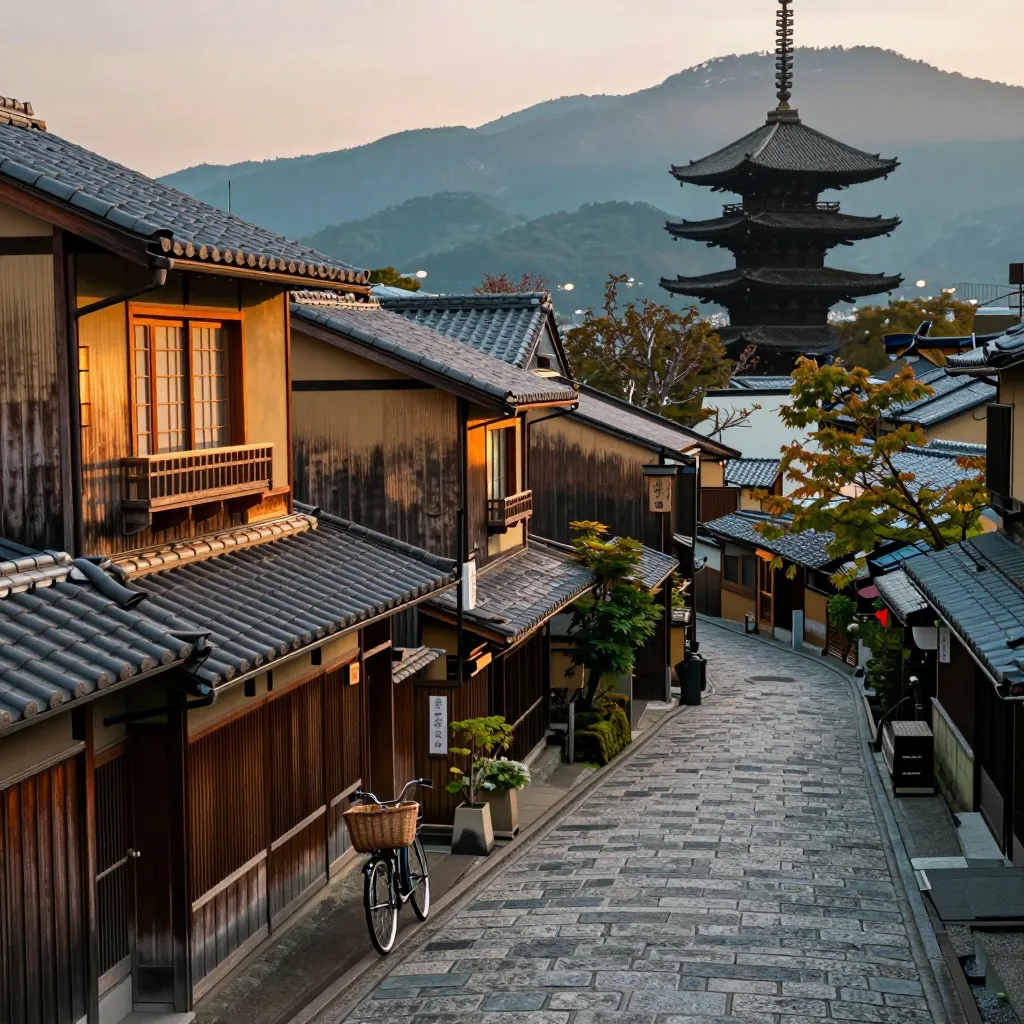
This district contains the postcard Kyoto: stone-paved lanes, wooden machiya townhouses, Yasaka Pagoda rising above tiled roofs, and the lantern-lit entrance to Gion. The concentration of significant temples and shrines—Kiyomizu-dera, Kodai-ji, Kennin-ji, Yasaka-jinja—makes it possible to experience deep Kyoto culture without leaving the neighborhood.
Why it works: The magic hours belong to residents. At 7 AM, Ninenzaka's stone steps belong to you and the shopkeepers preparing for the day. At 9 PM, the crowds dissolve and the district returns to its natural hush.
Trade-offs: Daytime congestion during peak seasons (March-April, November) requires strategic timing. Restaurant density drops compared to downtown—you'll walk 10-15 minutes for dinner variety.
Where to Stay
Luxury
- Four Seasons Kyoto — Hidden within a 12th-century pond garden near Myoho-in Temple. The property's spatial generosity (rare in Kyoto) allows for true retreat while maintaining proximity to Kiyomizu-dera.
Traditional
- Yuzuya Ryokan — Positioned directly beside Yasaka-jinja Shrine. The yuzu-scented baths and intimate scale create genuine ryokan atmosphere without the formality of ultra-luxury properties.
- Amber House — Vacation rental in a restored machiya. Living space, kitchen, and neighborhood immersion for travelers who want to inhabit rather than visit Kyoto.
Mid-Range
- The Celestine Hotel Gion — Walking distance to both temple district and downtown. Consistently executes the details that matter: comfortable beds, strong water pressure, quiet rooms.
Budget
- RC Hotel Kyoto Yasaka — Boutique property with rooftop sunset views. Personal touches throughout—this is not a corporate hotel experience.
Kyoto Station Area
The verdict: Stay here for transit efficiency and family convenience.
Kyoto Station functions as western Japan's transportation hub. Shinkansen connections to Tokyo, Osaka, and beyond. Local lines to Nara, Uji, and Inari. The station itself contains 10 floors of shopping, dining, and the remarkable Sky Garden observation deck.
Why it works: Families appreciate the indoor entertainment options and direct airport bus connections. Day-trippers value the 10-minute subway rides to most major districts. The AEON Mall and Porta underground shopping provide rainy-day alternatives.
Trade-offs: You'll transit to reach every major sight. The station's modern architecture impresses, but the surrounding blocks lack the intimate scale and historical texture that define Kyoto's appeal.
Where to Stay
Luxury
- Hotel Granvia Kyoto — Built into the station structure itself. Deluxe rooms face the station's dramatic atrium or the city grid beyond. Unmatched convenience for early departures or late arrivals.
Traditional
- Izuyasu — Classic ryokan within walking distance of the station's northern edge. Delivers full traditional experience—tatami, futon, multi-course dinner—at moderate rates compared to downtown competitors.
Mid-Range
- Hotel Vischio Kyoto — Solid execution near the station's eastern side, with direct access to shopping and dining infrastructure.
Budget
- Sakura Terrace — South of the station, offering competitive rates and efficient, welcoming service. Requires 10-minute walk or short taxi to reach station facilities.
Central Kyoto
The verdict: Stay here for spacious rooms and residential calm.
The area between downtown and the Imperial Palace (Gosho) offers wider streets, less tourist density, and often larger hotel rooms for the price. The grid layout makes navigation simple, and the palace park provides 65 hectares of urban green space.
Why it works: Value proposition. Hotels here often cost 20-30% less than equivalent properties downtown while maintaining reasonable walking or cycling distance to the action.
Trade-offs: You'll walk 15-20 minutes to reach downtown's restaurant density. Subway access exists but requires more planning than downtown's central interchange.
Where to Stay
Luxury
- Genji Kyoto — Boutique property delivering high design and personal service at prices below international luxury competitors. The neighborhood offers genuine local living—morning joggers in the palace park, neighborhood coffee shops, small temples without entry fees.
Traditional
- Nazuna Kyoto Gosho — Contemporary ryokan near the Imperial Palace. Stylish interpretation of traditional elements with modern traveler comforts.
Mid-Range
- Tomoya Residence Hotel Kyoto — Small-scale boutique property north of downtown. Large rooms by Kyoto standards, personal service, residential neighborhood atmosphere.
Budget
- Imu Hotel Kyoto — Hostel-hotel hybrid with lively common areas and some of Kyoto's lowest rates. Short walk west of downtown's core.
Northern Higashiyama
The verdict: Stay here for walking meditation and temple garden immersion.
The district stretches from the Silver Pavilion (Ginkaku-ji) southward along the Path of Philosophy, past Nanzen-ji's aqueduct and sub-temples, toward the Okazaki museum district. Yoshida-yama's hillside trails offer unexpected nature within city limits.
Why it works: Morning walks along the canal path, cycling through tree-lined streets, and proximity to Nanzen-ji's understated grandeur. The neighborhood rewards slow travel and repeat visits.
Trade-offs: Distance from downtown requires bus rides or bicycle reliance for evening dining. The area quiets significantly after 6 PM.
Where to Stay
Luxury
- Okura Okazaki Bettei — Sister property to the downtown Okura, positioned for neighborhood exploration. The quiet location suits travelers prioritizing rest over nightlife.
Traditional
- Nanzenji Sando Kikusui — Luxury ryokan at the approach to Nanzen-ji Temple. Premium pricing reflects the setting and service level.
- Ryokan Yachiyo — Moderate-tier ryokan comfortable with international guests, positioned near Nanzen-ji's subtemples.
Mid-Range
- Hotel Legasta Kyoto Higashiyama Sanjo — Boutique property walking distance to both Northern and Southern Higashiyama sightseeing zones. Strong value positioning.
Arashiyama
The verdict: Stay here for one or two nights of nature immersion.
The western district centers on the Togetsukyo Bridge, where the Katsura River cuts through mountain scenery. Bamboo Grove paths, Tenryu-ji's UNESCO-recognized garden, and monkey park hiking provide full-day itineraries without leaving the neighborhood.
Why it works: Early morning access to the Bamboo Grove before tour buses arrive. Evening riverside walks when day-trippers have departed. The district's two premier properties—Hoshinoya Kyoto and Arashiyama Benkei—rank among Japan's most memorable accommodations.
Trade-offs: Significant distance from central Kyoto (25-30 minutes by train). Daytime crowds concentrate in the bamboo paths and main temple approaches. Limited dining variety compared to eastern Kyoto.
Where to Stay
Luxury Hotel
- Suiran Kyoto — Marriott Luxury Collection property along the Hozu River. Spacious rooms with traditional design elements and excellent views.
Luxury Ryokan
- Arashiyama Benkei — Riverside traditional inn with mountain-facing rooms. The property's location allows morning walks to the Bamboo Grove before the crowds.
Accommodation Types: Making the Choice
Ryokan vs. Hotel
Ryokan offer irreplaceable cultural immersion: futon bedding on tatami, kaiseki meals served in-room, communal baths, and service that anticipates needs before they're expressed. The experience demands more from guests—specific meal times, bathing protocols, and higher per-night costs that include dinner and breakfast.
Strategic approach: Many travelers benefit from one ryokan night for the experience, followed by hotel nights for flexibility and cost management.
Machiya Rentals
Restored traditional townhouses provide kitchen facilities, living space, and neighborhood immersion. Ideal for families, longer stays, or travelers who want to establish routines (morning coffee on a wooden veranda, self-directed exploration).
Business Hotels
Japan's business hotel chains (Toyoko Inn, Super Hotel, Daiwa Roynet) deliver clean, compact rooms with reliable WiFi and strong water pressure at budget prices. Locations throughout the city make them practical bases for travelers prioritizing spending on experiences over accommodation.
Critical Booking Considerations
Peak seasons require advance planning: Late March through mid-April (cherry blossom) and November (autumn foliage) see accommodation booked 3-6 months ahead. Properties often implement minimum stay requirements and non-refundable rates during these periods.
Location truth: Kyoto Station is not the city center. Downtown Kyoto (Shijo-Kawaramachi) functions as the true hub for dining, shopping, and evening activity. Choose station proximity for transit needs; choose downtown for urban energy.
Transportation reality: Kyoto's bus system faces congestion during peak seasons. Proximity to subway lines (Karasuma and Tozai) provides more reliable mobility than bus-dependent locations.
Final Recommendations by Traveler Type
| Traveler | Recommended Base | Rationale |
|---|---|---|
| First-time visitor | Downtown Kyoto | Maximum flexibility, minimal transit complexity |
| Culture-focused | Southern Higashiyama | Temple access, atmospheric walks |
| Food-focused | Downtown Kyoto | Walking distance to highest restaurant density |
| Family with children | Kyoto Station Area | Indoor entertainment, transit simplicity |
| Repeat visitor | Northern Higashiyama or Arashiyama | Deeper neighborhood exploration |
| Budget-conscious | Central Kyoto | Lower rates, reasonable access |
| Romance/anniversary | Arashiyama or Southern Higashiyama | Atmosphere, privacy, memorable settings |
Kyoto's accommodation landscape rewards research and early commitment. The right base transforms sightseeing logistics into seamless exploration, allowing energy to flow toward the experiences—temple gardens at opening time, conversations with shopkeepers, the particular quality of evening light on wooden facades—that justify the journey.