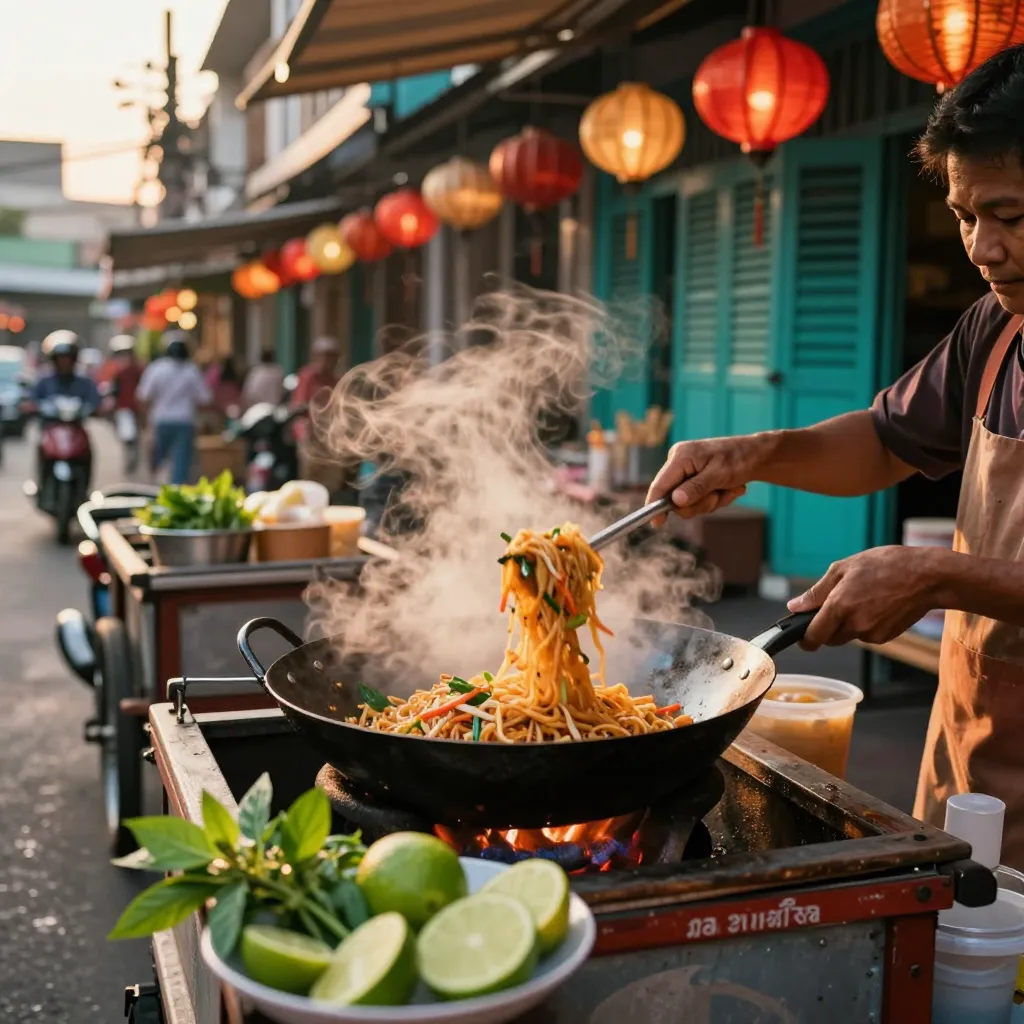
Ultimate Guide to Budget Travel in Thailand: Tips and Tricks
Learn practical strategies for budget travel in Thailand, from cheap eats to free activities. Perfect for backpackers, students, and anyone seeking affordable adventures without sacrificing experiences.
How to Travel the World on a Budget: A Complete Guide to Affordable Adventures
The belief that travel requires wealth is one of the most persistent myths holding people back from exploring the world. The reality? With strategic planning, creative thinking, and a willingness to step outside conventional tourism, meaningful travel is accessible to almost anyone—even those carrying student debt or working modest jobs.
This guide breaks down practical strategies for stretching your travel budget, from slashing accommodation costs to eliminating it entirely. Whether you're planning a two-week escape or a year-long journey, these approaches will help you prioritize experiences over luxury.
Work Your Way Across Borders
Trading labor for income or room and board remains one of the most reliable ways to fund extended travel. The key is flexibility: these aren't career moves, but bridges between destinations.
Popular entry-level options include:
- Au pair work — Live with host families, provide childcare, and receive accommodation plus stipend. Particularly abundant in Europe and Asia.
- Hostel staffing — Front desk, cleaning, or event coordination roles. Often includes free dorm beds and access to traveler networks. Platforms like Worldpackers and Workaway streamline placements.
- Hospitality roles — Bartending, serving, or kitchen work at tourist-zone restaurants. Seasonal demand spikes in beach destinations and ski resorts.
- Dive instruction — PADI-certified instructors find work across Southeast Asia, the Caribbean, and the Red Sea. Thailand's Koh Tao and Indonesia's Gili Islands are certification hubs with strong job markets.
- Tour guiding — History enthusiasts can lead walking tours or day trips. Often cash-based with tip income.
- Cruise and yacht work — Intensive schedules but comprehensive room/board coverage while visiting multiple ports.
These roles require minimal credentials—just reliability and adaptability. The payoff isn't just financial; workplace friendships often become travel companions for subsequent legs of your journey.
Teach English and Build Savings
English instruction represents one of the highest-earning pathways for native speakers willing to commit 6–12 months in one location. Markets in South Korea, Japan, China, Vietnam, and Thailand offer structured programs with housing allowances and competitive salaries.
Requirements vary by country:
- TEFL/TESOL certification (120-hour courses widely available online)
- University degree (mandatory for some Asian markets, flexible elsewhere)
- Native fluency (non-native speakers with strong proficiency can find opportunities in less regulated markets)
Virtual teaching platforms like Italki or Preply allow location-independent income—teach morning sessions from a Lisbon café or evening classes after exploring Bangkok's street markets.
Farm Work and Cultural Immersion
WWOOFing (World Wide Opportunities on Organic Farms) connects travelers with 12,000+ host properties across 130 countries. The exchange is straightforward: 4–6 hours of daily farm work for accommodation and meals.
Standout destinations:
- Portugal's wine regions and olive groves
- France's lavender fields and small-scale cheese operations
- Australia's vast cattle stations and fruit orchards
- New Zealand's sustainable agriculture projects
- Hawaii's tropical permaculture farms
Beyond cost savings, WWOOFing provides deep cultural access—learning regional cooking techniques, participating in harvest festivals, and building relationships rarely available to standard tourists.
Master the Sharing Economy
Digital platforms have democratized access to local resources, bypassing traditional tourism markups:
| Platform | Purpose | Best For |
|---|---|---|
| BlaBlaCar | Long-distance ridesharing | European intercity travel |
| Turo | Peer-to-peer car rental | Road trips, rural exploration |
| EatWith | Home-cooked meals with locals | Authentic culinary experiences |
| Campspace | Private property camping | Nature immersion, budget sleeping |
| Trusted Housesitters | Pet/house care in exchange for housing | Extended stays, residential neighborhoods |
Locals using these platforms typically know where to find €3 lunches, free museum days, and unmarked swimming holes—intelligence worth more than any guidebook.
Self-Catering: Your Biggest Budget Lever
Restaurant meals destroy travel budgets faster than any other expense. In expensive destinations like Switzerland, Iceland, or Japan, cooking transforms financial feasibility.
Practical tactics:
- Book hostels or Airbnbs with kitchen access
- Shop at local markets rather than convenience stores
- Prepare portable meals (sandwiches, grain salads) for day trips
- Identify "menu del día" or lunch specials when you do eat out
In Stockholm, a week's groceries ($60) versus three daily restaurant meals ($315) illustrates the magnitude of potential savings. This single habit often determines whether a trip lasts two weeks or two months.
Transportation Hacks
Rail passes reward intensive regional travel. The Eurail Pass (Europe) and JR Pass (Japan) become cost-effective when covering multiple long-distance segments. Book individual tickets 30–60 days ahead for 40–50% discounts if your schedule is fixed.
Accommodation optimization:
- Large hostel dorms (12–18 beds) run significantly cheaper than small rooms
- Earplugs and white noise apps neutralize snoring disruptions
- Europe-specific discount cards like HostelPass offer 20% reductions at partner properties
Attraction economics:
- Student/teacher/youth cards (ISIC, Euro<26) unlock 50%+ discounts at museums and cultural sites
- City tourism cards bundle attractions with transit—valuable when visiting 3+ paid sites daily. The London Pass, Paris Museum Pass, and similar offerings often pay for themselves within 48 hours.
Zero-Cost Accommodation Strategies
Couchsurfing and hospitality networks eliminate lodging expenses entirely while embedding you in local life. Platforms like Couchsurfing, BeWelcome, and Warmshowers (cyclist-focused) facilitate stays ranging from spare bedrooms to living room floors.
Success factors:
- Complete, personable profiles with references
- Advance requests (2–4 weeks ideal for popular destinations)
- Willingness to spend time with hosts—this is cultural exchange, not free hotels
House-sitting suits slower travelers. Watching someone's home and pets during their vacation yields furnished apartments, often with vehicle access and stocked pantries. Assignments range from weekend cat care to multi-month tropical villa maintenance.
Free Movement and Exploration
Hitchhiking remains viable and culturally accepted across Scandinavia, Eastern Europe, New Zealand, Australia, and much of Central America. Safety fundamentals:
- Use destination signs visible to approaching drivers
- Maintain clean, approachable appearance
- Verify legality (illegal in limited jurisdictions)
- Share license plate details with contacts before entering vehicles
- Keep valuables in your daypack, never in trunk luggage
Free walking tours operate in most major cities—tip-based rather than fixed price. These provide orientation, historical context, and local recommendations within your first 48 hours.
Skill Monetization
Short-term income generation keeps budgets fluid:
- Digital services — Editing, translation, graphic design, or consulting via Upwork or direct client relationships
- Physical skills — Haircuts for hostel dormitories, instrument busking, or repair work
- Task platforms — Craigslist, TaskRabbit, or Gumtree for odd jobs (furniture assembly, moving assistance, event staffing)
The only requirements: WiFi connectivity and willingness to market your capabilities.
The Points and Miles Game
Strategic credit card usage converts everyday spending into travel currency. Sign-up bonuses (typically 50,000–80,000 points) often fund round-trip flights immediately. Ongoing spending accelerates accumulation:
- Groceries, dining, and transit typically earn 2–3x multipliers on travel-focused cards
- Transferable points (Chase Ultimate Rewards, American Express Membership Rewards) offer maximum flexibility
- Airline-specific cards stack with general travel cards for combined balances
This approach requires financial discipline—paying balances monthly to avoid interest charges that negate point value. For responsible users, it's the most powerful tool for premium experiences at economy prices.
Mindset Shift: The Foundation of Budget Travel
Affordable travel isn't about deprivation—it's about reallocating resources toward priorities. The traveler who cooks breakfast and lunch but splurges on a sunset dinner cruise often has richer experiences than the all-inclusive resort guest.
Start with one principle: question every standard tourism assumption. Private rooms, restaurant meals, taxi transfers, and packaged tours are conveniences, not requirements. Replace them with shared spaces, market ingredients, public transit, and independent exploration.
The world opens when you stop asking "Can I afford this?" and start asking "How can I experience this differently?"