Europe Sightseeing Guide: Beat Crowds, Explore Local Culture & Travel Smart
Discover how to beat the crowds at Europe's iconic landmarks, immerse yourself in local culture through neighborhood markets and cycling routes, and handle transportation like a seasoned traveler. This guide covers practical strategies for making the most of your sightseeing hours, navigating cultural nuances, and finding moments that feel genuinely yours across the continent.
Travel Tips: Sightseeing & Activities in Europe
Europe rewards travelers who step off the plane with a loose plan and an open mind. Whether you're tracing cobblestone alleys in Lisbon or cycling through Dutch tulip fields, the continent offers layers of experience that reveal themselves only when you engage deliberately with your surroundings. This guide covers practical strategies for making the most of your sightseeing hours, navigating cultural nuances, and finding moments that feel genuinely yours.
Making the Most of Your Sightseeing Time
Beat the Crowds
The most iconic sights in Europe draw millions annually, but timing transforms the experience entirely. Arrive at major landmarks within the first operating hour — the light is softer, the atmosphere calmer, and you'll capture photographs without a sea of selfie sticks. For attractions with timed entry, book the earliest slot available, typically 8:00 or 9:00 AM.
Consider the shoulder seasons (April–May and September–October) when weather remains pleasant but visitor volumes drop significantly. Midweek visits to popular museums and cathedrals also yield quieter halls. In cities like Paris or Rome, late afternoon entry — roughly two hours before closing — often coincides with tour groups departing.
Build a Flexible Itinerary
Resist the urge to schedule every hour. Europe's charm lives in the unplanned: a street musician in Kraków's main square, a neighborhood bakery in Lyon, a sudden view of the Alps from a train window. Structure your days around one or two anchor sights, then leave generous gaps for wandering.
Group attractions by geography to minimize transit time. Walking between sites in compact historic centers — think Prague's Old Town, Florence's centro storico, or Edinburgh's Royal Mile — preserves energy and surfaces unexpected discoveries. When distances stretch, rely on efficient metro systems rather than taxis; you'll see more of local life and save considerably.
Engaging With Local Culture
Hire a Local Guide for Deeper Context
A knowledgeable local guide transforms monuments from beautiful backdrops into living stories. In cities layered with history — Athens, Istanbul, Vienna — a two-hour walking tour provides context that guidebooks simply cannot. Look for certified guides through official tourism boards or well-reviewed platforms. Group walking tours (often "free" with tips) offer solid introductions, while private guides excel for specialized interests: Art Nouveau architecture in Riga, Roman ruins in Mérida, or food markets in Palermo.
The investment pays dividends in time saved and understanding gained. A good guide steers you toward lesser-known corners, explains current local dynamics, and answers questions that shape the rest of your trip.
Travel as a Temporary Local
The most rewarding European trips blur the line between visitor and resident. Shop at neighborhood markets for picnic supplies. Choose a single café and return daily until the barista remembers your order. Attend a local football match, a village festival, or an evening concert in a parish church. These rhythms ground your experience in place rather than consumption.
Learn basic greetings in the local language — even clumsy attempts earn warmth and patience. In smaller towns and rural areas, English proficiency thins, making these efforts especially valuable.
Getting Around and Staying Mobile
Cycling Through European Landscapes
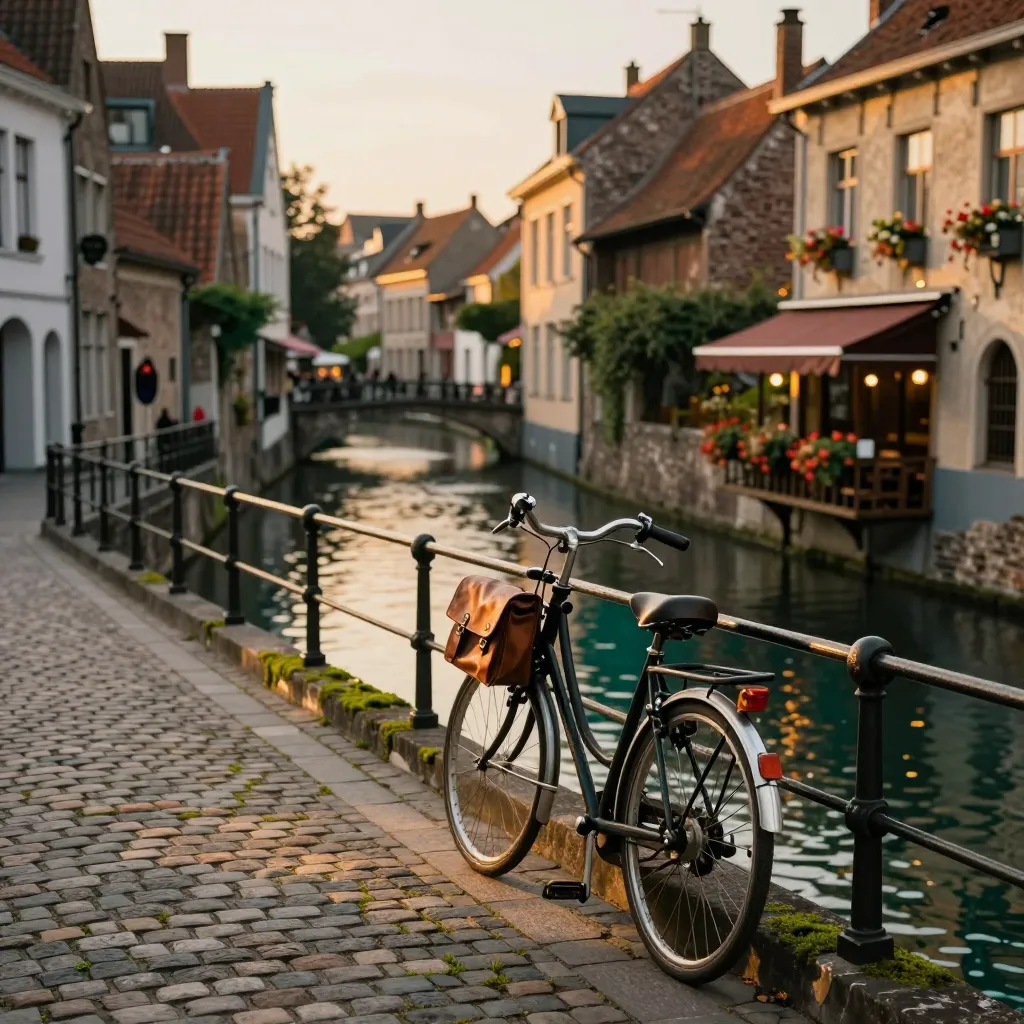
Europe's cycling infrastructure ranges from excellent to extraordinary. The Netherlands and Denmark operate on two wheels by default, but France, Germany, Austria, and Italy also maintain extensive bike path networks. Flat river valleys — the Danube, the Loire, the Rhine — offer gentle routes through vineyards and medieval villages. For city exploration, bike-sharing programs provide affordable hourly access.
Pack layers and plan for weather shifts. Even summer mornings can be cool, and afternoon thunderstorms are common in Alpine regions. Electric bikes have democratized hillier terrain, opening Tuscany's Chianti country or Portugal's Alentejo to casual cyclists.
Handling Transportation Disruptions
Strikes affect European trains, buses, and airlines with varying predictability. France and Italy see periodic labor actions, often announced days in advance. Monitor local news and transportation apps. When disruptions loom, build buffer days into your itinerary and identify alternative routes early. Regional buses frequently cover gaps left by striking rail services, and car rentals — booked in advance — provide fallback options for critical travel dates.
Bridging Language and Communication Gaps
Practical Language Strategies
English serves as Europe's lingua franca in tourist zones, but venture beyond them and you'll encounter genuine language barriers. Download offline translation apps before departure. Carry a pocket notebook — sketching maps or writing numbers bridges gaps when technology fails.
Nonverbal communication carries cultural weight. A firm handshake and direct eye contact signal respect in Germany and Scandinavia. In Southern Europe, gestures are more animated and interruptions during conversation are socially acceptable. Observe local body language and adjust accordingly; mirroring builds rapport faster than words.
Understanding Regional Gestures
Gestures that seem universal often carry different meanings. The thumbs-up, positive in most of Europe, is offensive in parts of Greece and the Middle East. The "OK" sign is harmless in most of the continent but vulgar in parts of Southern Europe. When uncertain, keep hand gestures restrained. A smile and open posture communicate goodwill across every border.
Choosing Your Travel Style
Independent Exploration vs. Organized Tours
Independent travel offers autonomy but demands preparation. Research opening hours carefully — many European museums close one day weekly, often Monday or Tuesday. Verify holiday schedules; national celebrations can shutter attractions entirely.
If you prefer structured experiences, choose smaller-group tours over large-bus operations. Walking tours, food tours, and specialized excursions (photography, history, architecture) maintain intimacy while handling logistics. Avoid tours that herd large groups through gift shops and rushed photo stops. Read recent reviews focusing on group size, pacing, and guide quality.
Final Thoughts
Europe rewards curiosity and patience. The continent's density means you can breakfast on pastries in Vienna, lunch on tapas in Barcelona, and still misunderstand the depth of either city. Slow down. Return to neighborhoods that intrigue you. Sit in parks without agendas. The most enduring travel memories rarely come from checking famous sights off a list — they emerge from the moments when you stop performing tourism and start experiencing place.