Where to Stay in Kyoto: Best Hotels, Ryokan, and Local Neighborhoods
Explore Kyoto's diverse districts and accommodation types. This guide helps travelers choose between traditional ryokan immersion, modern downtown hotels, or historic machiya rentals to match their budget and travel style in Japan's cultural capital.
Where to Stay in Kyoto: A Complete Guide to Hotels, Ryokan & Neighborhoods
Kyoto offers one of the most diverse accommodation landscapes in Japan. From centuries-old machiya townhouses to sleek international hotels, the city balances tradition with modern comfort across every price point. Choosing where to stay shapes your entire experience—whether you want to wake up to temple bells in a quiet residential district or step directly onto neon-lit shopping streets.
This guide breaks down Kyoto's distinct neighborhoods, accommodation types, and how to match them to your travel style.
Understanding Kyoto's Districts
Kyoto's layout follows a grid pattern with the Kamo River running north-south through the eastern half. Each district carries a distinct personality:
Southern Higashiyama
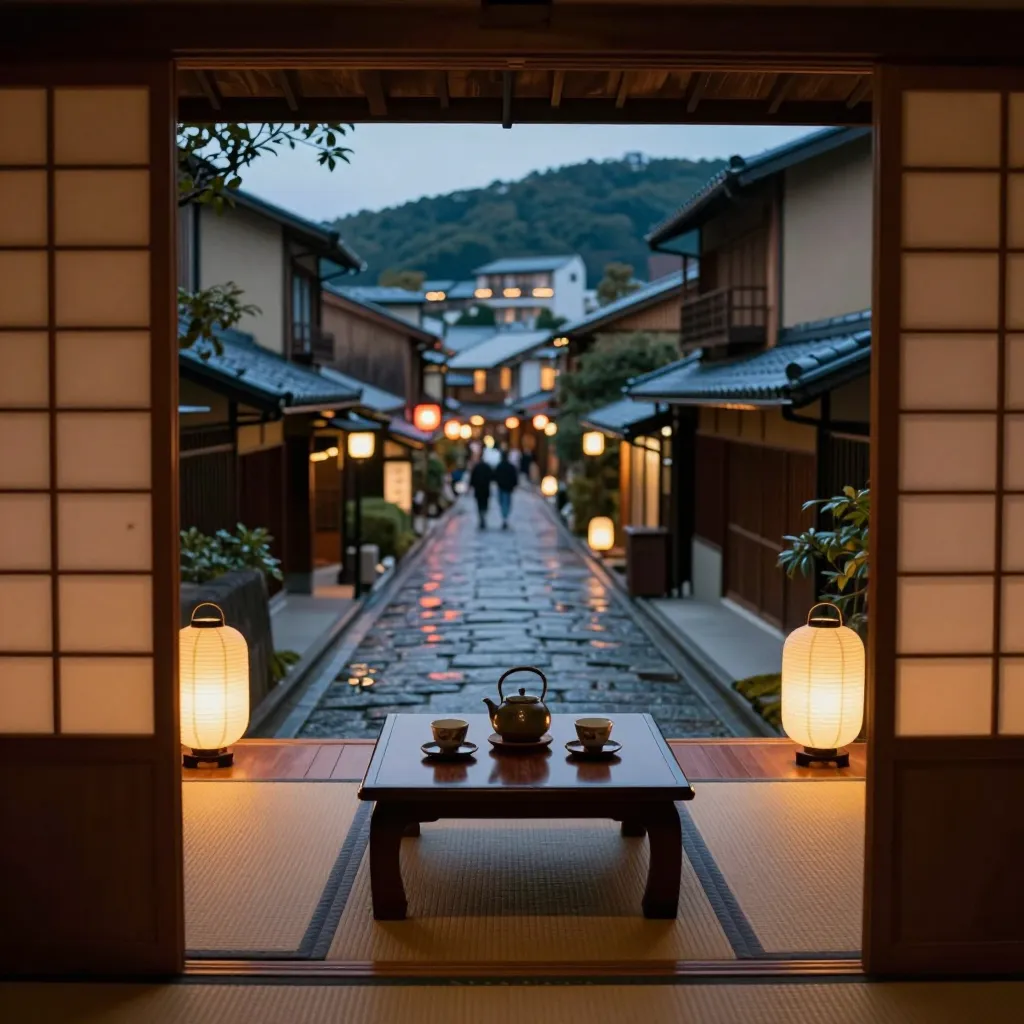
The historic heart. Narrow lanes wind between wooden buildings, leading to Kiyomizu-dera, Yasaka Shrine, and the preserved streets of Sannenzaka and Ninenzaka. Stay here for atmospheric mornings before day-trippers arrive. Evenings bring lantern-lit walks through Gion's geisha district.
Northern Higashiyama
Temple density peaks here—Nanzen-ji, Ginkaku-ji, and the Philosopher's Path create a contemplative, walkable zone. Quieter than its southern counterpart but equally atmospheric. Best for travelers prioritizing gardens and morning temple visits.
Downtown Kyoto (Kawaramachi/Shijo)
The commercial core. Department stores, covered shopping arcades, and the Pontocho alley dining district cluster around the Shijo-Kawaramachi intersection. Ideal for food-focused travelers and those wanting immediate access to restaurants and nightlife.
Kyoto Station Area
Transportation hub with the city's largest concentration of mid-range and business hotels. Modern, convenient, and well-connected—but lacks the traditional atmosphere found elsewhere. Practical for short stays or rail pass holders making day trips.
Arashiyama
The western district famous for bamboo groves and Tenryu-ji temple. Accommodation options are fewer but include some of Kyoto's most distinctive ryokan. Best for travelers wanting a slower pace and proximity to nature.
Central Kyoto (Imperial Palace vicinity)
Wide streets, parks, and a local residential feel. Less tourist traffic means better value and authentic neighborhood dining. Good for longer stays or repeat visitors who know the city.
Accommodation Types Explained
Ryokan: The Traditional Experience
A ryokan offers more than lodging—it's a structured cultural experience. Tatami-matted rooms, futon bedding, kaiseki multi-course dinners, and communal baths define the format. Staff explain protocols: when to wear yukata robes, how to navigate the bath, the timing of meals.
What to expect:
- Check-in typically 3-4 PM, check-out 10 AM
- Dinner served in-room or private dining space at fixed times
- Breakfast (Japanese or Western) included in most rates
- Shared onsen-style baths segregated by gender
- Higher price points reflect the full-board experience
Ryokan suit travelers wanting immersion over convenience. The format demands adaptation—fixed meal times, specific bathing etiquette, and shoes-off protocols throughout.
Machiya: Townhouse Living
Kyoto's traditional wooden townhouses, increasingly converted to vacation rentals, bridge hotel and apartment living. These narrow, two-story structures feature interior courtyards, exposed wooden beams, and modernized kitchens and bathrooms.
Machiya work well for:
- Families or groups wanting shared space
- Longer stays (3+ nights)
- Travelers wanting to self-cater breakfast or simple meals
- Those seeking residential neighborhoods over tourist zones
Note: Many machiya have steep staircases and limited soundproofing between units. Not ideal for mobility-impaired travelers or light sleepers.
Hotels: International and Japanese Chains
Kyoto's hotel spectrum runs from capsule pods to five-star international properties. Japanese business hotels (APA, Daiwa Roynet, Richmond) offer compact, efficient rooms with excellent cleanliness standards and locations. International brands cluster around Kyoto Station and the Kamo River.
Key differences from Western hotels:
- Smaller room sizes (even "deluxe" rooms may feel compact)
- High-tech toilets standard
- Some traditional hotels offer public bath facilities on upper floors
- Breakfast often Japanese/Western buffet format
Hostels and Guesthouses
Kyoto's hostel scene has matured beyond backpacker basics. Many offer private rooms with ensuite bathrooms, retaining social common spaces and lower price points. Capsule hotels provide pod-style sleeping at rock-bottom rates—functional for single nights, claustrophobic for extended stays.
Choosing by Budget
Luxury Tier ($400+/night)
Kyoto's high-end market competes globally. Properties emphasize location (often along the Kamo River or adjacent to temple districts), architectural distinction, and service precision.
What distinguishes luxury here:
- Kaiseki restaurants with Michelin recognition
- Private onsen baths in select suites
- Tea ceremony rooms and cultural programming
- Concierge teams securing restaurant reservations and private temple access
The luxury tier justifies its cost through exclusivity—riverfront views, historic building conversions, and proximity to UNESCO sites without the tour-bus crowds.
Mid-Range ($150–$350/night)
Kyoto's sweet spot. This bracket includes:
- Boutique hotels in converted machiya
- International three-to-four-star properties
- Premium ryokan with shared baths
- Design-focused Japanese hotels
Mid-range properties typically offer stronger location value than luxury alternatives—you trade riverfront views for walking-distance access to multiple districts. Rooms remain compact by Western standards, but design and service standards are high.
Budget (Under $100/night)
Clean, safe budget accommodation exists throughout Kyoto, though options shrink during cherry blossom and autumn foliage seasons.
Strategies for budget travelers:
- Business hotels near Kyoto Station offer consistent quality
- Private rooms in "hostels" often outperform budget hotels
- Capsule hotels provide ultra-low-cost single occupancy
- Consider Osaka (30 minutes by train) if Kyoto is fully booked
Special Considerations
Traveling with Family
Kyoto challenges families with its tatami-floor dining, public bath culture, and compact spaces. Family-suitable properties offer:
- Western beds (not futons on floors)
- Larger rooms or connecting configurations
- Non-smoking floors strictly enforced
- Locations near parks or open spaces for downtime
Machiya rentals often outperform hotels for families with young children, providing separate sleeping areas and kitchen facilities.
Romantic Stays
Couples should prioritize properties offering:
- Private onsen baths (in-room or reservable)
- River or garden views
- Adult-oriented atmospheres (many ryokan discourage young children)
- Walking access to evening dining and atmospheric streets
Southern Higashiyama and Arashiyama offer the strongest romantic settings, particularly properties with traditional architecture and limited room counts.
Accessibility
Kyoto's historic nature creates challenges. Traditional ryokan and machiya typically feature:
- Steep staircases
- Step-over thresholds
- Bathtub access requiring full mobility
- No elevator access
Modern hotels, particularly international chains near Kyoto Station, provide the most predictable accessibility features. Confirm specific room features when booking—"accessible" definitions vary significantly in Japan.
Seasonal Booking Reality
Kyoto's accommodation market experiences extreme compression during:
- Late March to mid-April: Cherry blossom season
- Late October to early December: Autumn foliage
- Golden Week: Late April/early May national holidays
- New Year: December 29–January 3
During these periods, expect:
- 2–3x normal pricing
- Minimum stay requirements (often 2–3 nights)
- Complete sellouts, especially for ryokan and boutique properties
- Cancellation policies shifting to non-refundable
Booking strategy: Reserve 3–6 months ahead for peak seasons. If Kyoto is fully booked, consider Osaka (30 minutes), Nara (45 minutes), or Kobe (60 minutes) as bases—each offers distinct advantages and reliable train connections.
Final Recommendations
First-time visitors: Base in Southern Higashiyama or Downtown for walkable access to major sites and dining.
Repeat visitors: Explore Central Kyoto, Arashiyama, or the northern districts for quieter, residential experiences.
Food-focused travelers: Downtown Kyoto puts you within walking distance of Nishiki Market, Pontocho, and the city's highest restaurant density.
Temple and garden enthusiasts: Northern Higashiyama offers morning access before crowds arrive.
Rail pass holders: Kyoto Station area maximizes convenience for day trips to Nara, Osaka, and beyond.
Match your accommodation type to your travel rhythm. Ryokan demand schedule flexibility and cultural engagement. Hotels offer predictability. Machiya provide space and independence. The right choice depends less on budget than on how you want to experience the city—whether as curated immersion or comfortable base camp.