Essential Thailand Travel Etiquette: Do's and Don'ts
Discover essential cultural etiquette for Thailand, from temple protocols to social customs. Learn how to show respect and avoid common pitfalls to enjoy a deeper connection with the Land of Smiles. This guide is for every traveler seeking authentic experiences in Thailand.
Essential Cultural Etiquette for Traveling in Thailand
Thailand's nickname, the "Land of Smiles," reflects its generally welcoming atmosphere. However, navigating social norms with grace enhances your experience and shows respect for local traditions. This guide distills key cultural principles and practical tips for any traveler looking to connect authentically with Thailand.
Foundational Principles: Sanuk and Jai Yen
Two Thai concepts shape social interaction. Sanuk encompasses the pursuit of fun, pleasure, and enjoyment in all activities. The Thai approach to life prioritizes a positive, easy-going atmosphere. As a visitor, embracing a light-hearted, patient demeanor aligns with this spirit.
Conversely, jai yen means "cool heart" and emphasizes maintaining composure and avoiding confrontation. Raising your voice or displaying public anger is considered deeply embarrassing and loses you "face." In stressful situations—like a missed bus or a pricing misunderstanding—a smile and calm demeanor are your best tools.
Temple Protocol and Religious Respect
Thailand is a deeply Buddhist nation, and temples (wat) are active places of worship, not just tourist sites.
- Dress Code: Shoulders and knees must be covered to enter temple grounds. Carry a scarf or pareo for quick adjustments.
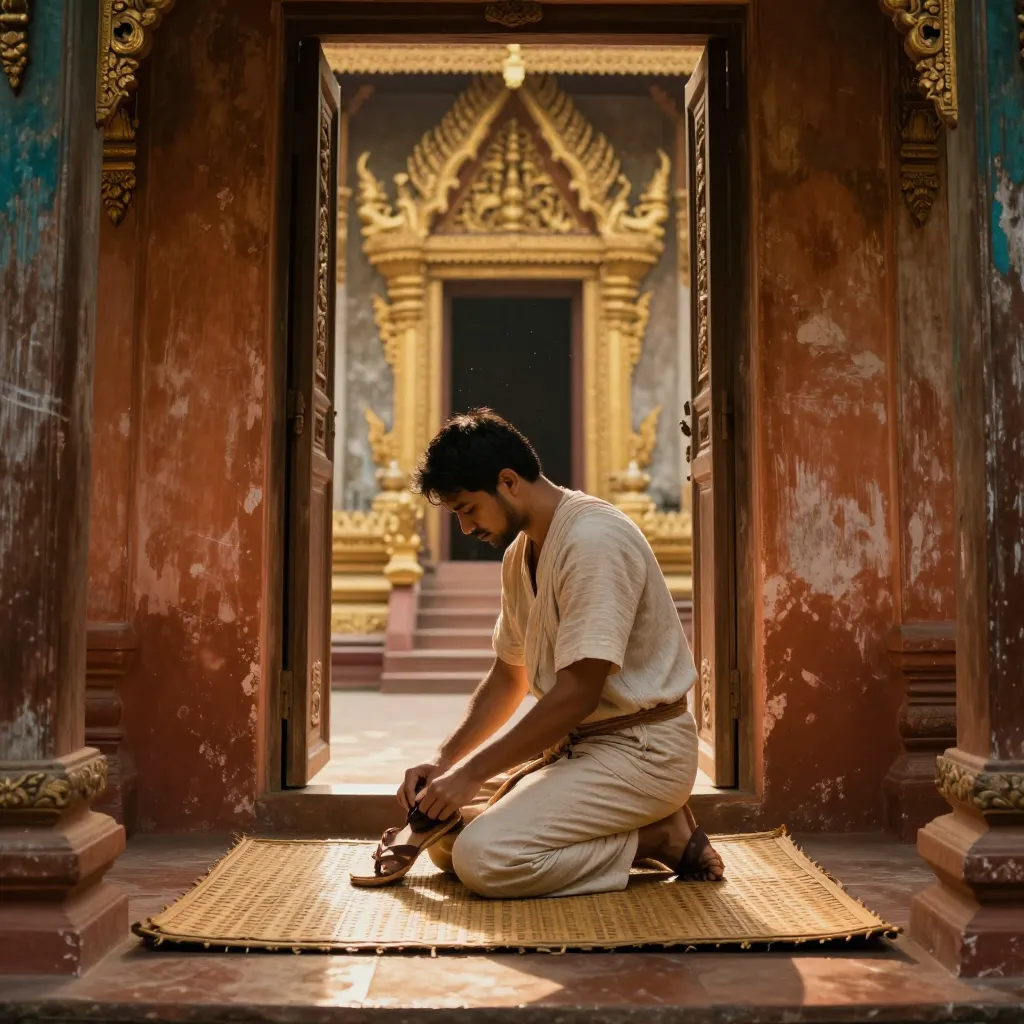
- Shoes Off: Always remove footwear before entering a temple building, any Buddhist shrine, and often before entering a Thai person's home. Observe where others leave their shoes.
- Buddha Images: Treat all Buddha statues and images with utmost reverence. Never climb on them for photos, point your feet toward them, or touch them. It is illegal to export any Buddha image from the country without a special permit.
- Monk Interaction: Women must not touch monks or hand objects directly to them, as monks are celibate. placing an item on a cloth held by the monk or giving it to a male intermediary is the correct practice. Always offer the highest respect.
Social Customs and Daily Interactions
- The Wai: The traditional greeting is a slight bow with palms pressed together (wai). The higher the hands, the more respect shown. You are not expected to wai children or those of equal or lower status. A smiling nod is often sufficient for foreigners when greeting shopkeepers or staff.
- Head and Feet: The head is considered the highest, most sacred part of the body. Never touch a Thai person's head, including children's, unless you have a very close relationship. The feet are the lowest and are considered unclean. Never point your feet at people, sit with feet up on chairs or tables, or use your foot to gesture or move objects.
- Public Affection: While holding hands is increasingly common among young Thai couples, overt kissing or hugging in public is generally frowned upon, especially around temples or in more traditional areas. Maintain a reserved demeanor.
- Personal Questions: Don't be surprised by direct questions about your age, relationship status, or salary. This is common small talk, not rudeness. A polite, evasive smile and a change of subject is a perfectly acceptable response.
- Dining: Thai meals are often shared family-style. The spoon is your primary utensil; use the fork only to push food onto the spoon. Chopsticks are typically only for noodle dishes.
Royalty and National Icons
The Thai monarchy is held in extraordinarily high regard. Lèse-majesté laws are strictly enforced and carry severe penalties, including imprisonment. Never make critical, joking, or disrespectful comments about the King, Queen, or royal family. This includes seemingly minor actions like stepping on currency (which bears the King's image) or using royal symbols inappropriately.
Legal and Practical Reminders
- Visas: Ensure you understand and comply with visa requirements. Overstaying your visa results in fines and possible deportation.
- Modesty: Topless sunbathing and public nudity are illegal and offensive. Beachwear is for the beach; cover up when walking to shops or restaurants.
- Valuables: Keep personal items secure. While Thailand is generally safe for tourists, petty theft can occur in crowded areas.
By approaching your travels with awareness, a smile, and a calm heart, you'll find Thais exceptionally hospitable. Observing these guidelines isn't about perfection; it's about demonstrating the respect that underpins Thai culture, leading to richer interactions and a deeper appreciation for your journey.