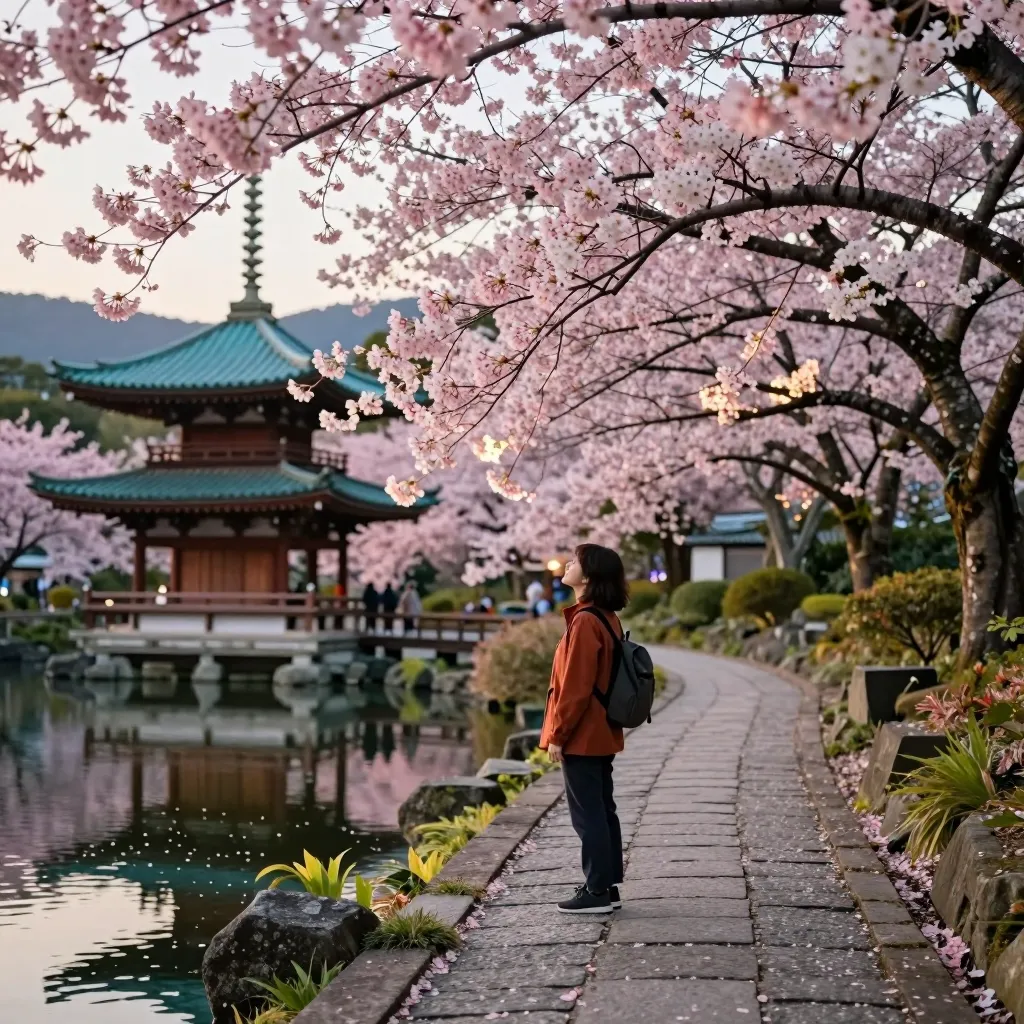
2016 Japan Cherry Blossom Guide: Peak Dates and Top Viewing Spots
Relive the 2016 cherry blossom season with this comprehensive guide to Japan's sakura front. Discover peak viewing dates for iconic cities like Kyoto and Tokyo, learn about unique northern varieties, and get expert tips for timing your perfect spring pilgrimage through the archipelago.
The 2016 Cherry Blossom Season: A Complete Traveler's Guide to Japan's Sakura
Season Overview
The 2016 cherry blossom season arrived earlier than usual across most of Japan, driven by above-average spring temperatures. While Kyushu and Shikoku followed a relatively standard timeline, northern regions experienced a notably accelerated season. Cities in Hokkaido and northern Tohoku saw their sakura peak up to ten days ahead of schedule, making timing particularly crucial for travelers planning their trips.
Understanding the sakura zensen (cherry blossom front) is essential for any visitor hoping to catch Japan's most iconic natural spectacle at its finest. The blossoms typically open first in the south and gradually move northward, creating a wave of pink and white that sweeps across the archipelago over the course of several weeks.
March: The Season Opens
Southern Japan Leads the Way
The 2016 season officially kicked off on March 19 in Fukuoka, Kyushu's largest city. This opening date set the tone for what would become a season characterized by rapid progression. By March 20, Tokyo had also declared its cherry blossoms open, with the japan-guide.com team beginning their comprehensive coverage from the capital.
However, the early momentum faced a brief interruption. A cold spell during the latter half of March stalled progress in many areas, creating uncertainty about whether the season would maintain its early trajectory. Temperatures dipped just enough to slow the development of buds that had begun to swell in the unseasonable warmth.
The Momentum Returns
By March 28, the cold snap had passed, and warmer weather returned with conviction. Temperatures climbed to around 20°C (68°F) across much of the country, triggering a cascade of openings. Nagoya, Osaka, Kyoto, and Hiroshima all saw their sakura begin to bloom in quick succession. Fukuoka became the first major city to reach full bloom on March 30, marking a significant milestone in the season's progression.
For travelers in western Japan during this period, the combination of newly opened blossoms and pleasant spring weather created ideal conditions for early hanami (flower viewing) picnics and temple visits.
Early April: The Peak Arrives
The Golden Week of Sakura
The first week of April represented the heart of the 2016 cherry blossom season for southern and central Japan. Tokyo reached full bloom on April 1, with the Somei Yoshino variety—the most common and celebrated cherry tree in Japan—creating the iconic pale pink canopies that define the season.
By April 4, the peak viewing period had expanded across an impressive geographic range. From Kagoshima in southern Kyushu to Kanazawa on the Sea of Japan coast, cities were experiencing their mankai (full bloom) phase simultaneously. This concentration of peak conditions was a direct result of the season's accelerated timeline.
Kyoto, Japan's cultural capital and arguably its most famous cherry blossom destination, reached full bloom on April 6. The timing was nearly perfect for the city's countless viewing spots, from the Philosopher's Path to the grounds of Kiyomizu-dera Temple. Osaka joined the peak on the same day, creating a Kansai Region double-header that delighted travelers exploring western Japan's urban centers.
Weather Challenges
The concentrated peak also brought vulnerability. On April 7, heavy rain and strong winds swept across much of the country, threatening to shorten the viewing period. The storm's impact was significant but not catastrophic. While petals began falling in cities that had reached full bloom a week prior, the damage was less severe than initially feared.
By April 8, Tokyo and Kyoto had both moved into the "past peak" phase, with petals beginning to carpet the ground in pink drifts—a phenomenon known as hanafubuki (flower snow storm) that carries its own poetic beauty. Matsumoto, however, managed to reach full bloom even as the storms passed, demonstrating how microclimates and elevation can create pockets of perfect timing.
Mid-April: The North Awakens
Tohoku Region Comes Alive
As the season wound down in western and central Japan, the focus shifted northward to the Tohoku Region. Sendai reached full bloom on April 11, marking the beginning of the region's peak period. The city's Jozenji-dori Avenue, lined with zelkova trees and cherry blossoms, would have been at its most photogenic.
Aizu, in western Fukushima Prefecture, saw its peak around April 15, with petals beginning to fall shortly after. The region's samurai heritage and well-preserved castle town atmosphere provided a distinctive backdrop for late-season hanami.
Kakunodate, often called the "Little Kyoto of Tohoku," reached full bloom on April 22. This former castle town in Akita Prefecture is renowned for its weeping cherry trees (shidarezakura) in the historic samurai district, which typically bloom slightly later than the Somei Yoshino variety. The town's Bukeyashiki-dori, lined with former samurai residences, offers one of Japan's most atmospheric cherry blossom experiences.
Hirosaki: The Northern Jewel
Hirosaki in Aomori Prefecture represents one of Japan's most celebrated cherry blossom destinations, and the 2016 season treated it well. The city approached full bloom on April 21, with the iconic Hirosaki Castle providing a dramatic backdrop to over 2,600 cherry trees.
By April 28, petals were beginning to fall, creating the magical sight of the castle moat blanketed in pink. This "flower raft" (hanaikada) phenomenon, where fallen petals cluster on the water's surface, is considered one of the most beautiful stages of the sakura cycle.
Late April to Early May: Hokkaido's Moment
The Final Frontier
Hokkaido, Japan's northernmost main island, typically experiences its cherry blossom season several weeks after the rest of the country. In 2016, the island's season was particularly early, with some areas blooming up to ten days ahead of average.
Hakodate, the historic port city in southern Hokkaido, reached full bloom on April 29. The city's Goryokaku Fort, a star-shaped former citadel surrounded by a moat lined with over 1,600 cherry trees, would have been approaching its most spectacular phase.
Matsumae, located at the southern tip of Hokkaido, peaked on April 30. The town's claim to fame is Matsumae Park, home to over 10,000 cherry trees representing more than 250 varieties. This diversity means that unlike most locations where the season lasts roughly two weeks, Matsumae offers an extended viewing period as different varieties bloom in succession.
Sapporo and Beyond
Sapporo, Hokkaido's largest city and final major destination on the sakura front, reached full bloom on May 2. After a cold end to April, temperatures finally warmed sufficiently to push the blossoms to their peak. Maruyama Park and the grounds of the former Hokkaido Government Office are among the city's prime viewing locations.
For travelers following the sakura front from south to north, Sapporo represented the season's grand finale. The ability to experience peak cherry blossoms in early May, while the rest of Japan had moved into late spring, was one of the unique pleasures of Hokkaido travel.
Key Viewing Locations and Their 2016 Timelines
Tokyo
- Opened: March 20
- Full Bloom: April 1
- Past Peak: April 8
- End of Season: April 12
Tokyo's concentrated urban heat island effect typically accelerates its season compared to surrounding areas. Ueno Park, Shinjuku Gyoen, and the Chidorigafuchi moat around the Imperial Palace were among the spots monitored during the 2016 season.
Kyoto
- Opened: March 25
- Full Bloom: April 6
- Past Peak: April 11
- End of Season: April 14
Kyoto's status as Japan's premier cherry blossom destination was well-served by the 2016 timeline. The city's numerous temples, shrines, and traditional gardens provided diverse settings for hanami, from the mountainside spectacle of Yoshino to the urban elegance of the Kamo River banks.
Mount Fuji (Fuji Five Lakes)
- Full Bloom: April 15
- Past Peak: April 19
The area around Japan's iconic mountain typically blooms slightly later than Tokyo, making it an excellent option for travelers who missed the capital's peak. The combination of snow-capped Fuji and pink cherry blossoms is one of Japan's most photographed scenes.
Yoshino (Nara Prefecture)
- Full Bloom: April 5
- End of Season: April 12
Mount Yoshino, with its 30,000 cherry trees covering the mountainsides in a phenomenon known as "thousand trees at a glance" (hitome senbon), reached its peak in early April. The sheer scale of the blossom display here is unmatched anywhere else in Japan.
Kanazawa
- Full Bloom: April 6
This castle town on the Sea of Japan coast, known for its beautifully preserved samurai and geisha districts, reached full bloom alongside Kyoto. The Kenrokuen Garden, considered one of Japan's three most beautiful landscape gardens, provided an elegant setting for late-season viewing.
Travel Tips for Future Sakura Seasons
Timing Is Everything
The 2016 season demonstrated how variable cherry blossom timing can be. While average dates provide a useful baseline, actual bloom times can shift by a week or more in either direction depending on winter and spring temperature patterns. Travelers should monitor forecasts closely and build flexibility into their itineraries.
Have a Backup Plan
Weather is the single biggest variable affecting cherry blossom viewing. Rain and wind can shorten the peak viewing period dramatically, as seen in early April 2016. Planning alternative indoor activities—temple visits, museum exploration, or onsen bathing—ensures that a trip remains fulfilling even if the blossoms underperform.
Consider Secondary Varieties
While Somei Yoshino dominates Japan's cherry blossom landscape, numerous other varieties bloom at different times. Weeping cherries (shidarezakura), mountain cherries (yamazakura), and late-blooming double-flowered varieties (yaezakura) can extend the viewing season by several weeks. Locations like Matsumae, with its 250 varieties, are particularly forgiving for travelers with inflexible schedules.
Follow the Front Northward
One strategy employed by dedicated sakura chasers is to begin in southern Japan and gradually move north, staying ahead of the peak as it progresses. In 2016, a traveler starting in Fukuoka in late March could have experienced peak conditions in Tokyo in early April, Tohoku in mid-April, and Hokkaido in early May—a month-long journey through Japan's most beautiful season.
Early Mornings and Weekday Visits
Popular cherry blossom spots can become extremely crowded during peak season. Visiting early in the morning or on weekdays significantly improves the experience, allowing for peaceful contemplation of the blossoms without navigating dense crowds. This is particularly important at iconic locations like Kyoto's Philosopher's Path or Tokyo's Ueno Park.
Conclusion
The 2016 cherry blossom season was characterized by its early arrival, rapid progression, and the concentration of peak conditions into a relatively narrow window. For travelers, this meant that timing was more critical than ever, but it also created opportunities to experience multiple regions at peak bloom within a single trip.
From the first openings in Fukuoka on March 19 to the final full bloom in Sapporo on May 2, the season spanned six weeks and covered the entire length of Japan. Each region offered its own character—Kyushu's subtropical warmth, Kyoto's cultural grandeur, Tohoku's samurai heritage, and Hokkaido's frontier atmosphere—all unified by the transient beauty of the cherry blossom.
For anyone planning a future sakura pilgrimage, the 2016 season serves as a valuable case study in the rewards and challenges of chasing Japan's most celebrated natural phenomenon. With careful planning, flexible scheduling, and a willingness to venture beyond the most famous spots, the cherry blossom season offers one of the world's most profound travel experiences.