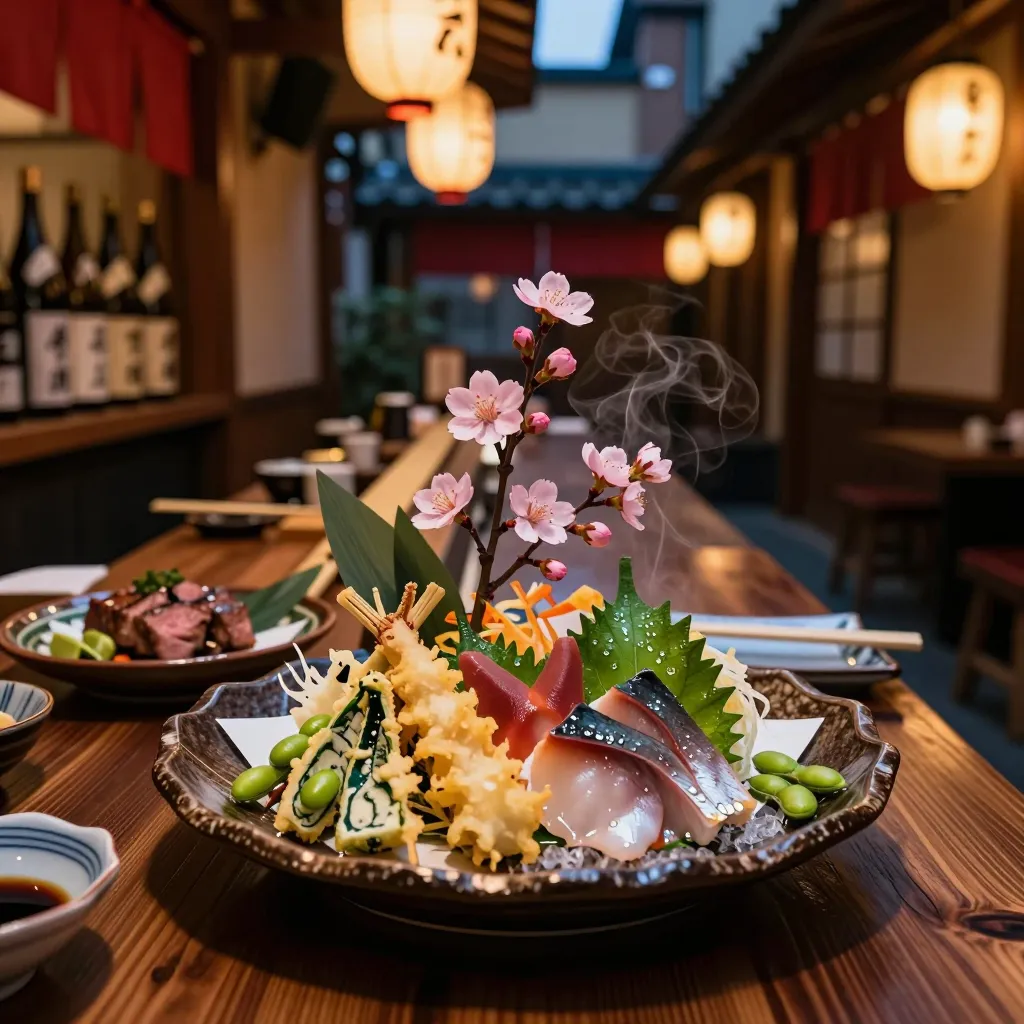
Authentic Japanese Dining Guide: Seasonal Dishes & Hidden Gems
Navigate Japan’s culinary landscape from spring bamboo kaiseki to winter crab in Hokkaido, izakaya hopping in Osaka, and counter-seat sushi secrets in Tokyo. Packed with etiquette tips and yokocho maps for travelers ready to eat like a local.
Navigating Japan’s Culinary Landscape: A Guide to Authentic Dining
Japan offers a sensory journey where tradition meets innovation, particularly in its approach to food and drink. For the traveler, understanding the nuances of the Japanese dining scene—ranging from high-end multi-course meals to the ritualistic simplicity of street-side stalls—is key to unlocking the true culture of the country.
The Seasonal Philosophy: Shun
At the core of Japanese gastronomy is the concept of shun, which emphasizes consuming ingredients only at the absolute peak of their season. This dictates not only what is served in restaurants but also the aesthetics of the dishware and the preparation methods. By aligning your travels with the Japanese calendar, you can experience regional specialties at their most flavorful, whether it is bamboo shoots in the spring or hearty root vegetables during the deep winter months.
Decoding Traditional Dining Styles
Kaiseki Ryori
Regarded as the pinnacle of Japanese formal dining, kaiseki is a traditional multi-course meal that balances the taste, texture, appearance, and colors of food. Originating from tea ceremony practices, a standard kaiseki menu serves as a seasonal narrative, showcasing local, artisanal ingredients prepared with meticulous technique. This is an immersive, slow-paced experience intended to connect the diner with the current season and region.
Izakayas: The Social Fabric
An izakaya is essentially a Japanese gastropub, serving as a social hub for locals after working hours. The menu typically consists of small, shareable plates meant to be enjoyed alongside beer, sake, or shochu. Common fare includes yakitori (grilled chicken skewers), edamame, karaage (Japanese fried chicken), and sashimi. These venues provide an accessible, vibrant atmosphere perfect for sampling a wide variety of local flavors.
The Art of the Counter
For a more intimate experience, look for establishments that prioritize counter seating. Whether it is a sushi bar or a robatayaki (fireside cooking) spot, sitting at the counter allows you to observe the craft of the chef. This direct connection often enhances the meal, as chefs may offer insights into the sourcing of the ingredients or the specific preparation method for the day’s catch.
Essential Regional Specialties
Japan’s geography ensures a diverse culinary landscape from the northern reaches of Hokkaido to the southern islands of Kyushu:
- Hokkaido: Renowned for dairy, fresh crab, and buttery ramen broths that combat the northern cold.
- Tokyo: A fusion of high-end edomae sushi and deeply comforting, quick-serve street foods like monjayaki.
- Kyoto: Famous for delicate yudofu (simmered tofu) and shojin ryori (Buddhist vegetarian cuisine), which highlights the subtle flavors of wild mountain vegetables.
- Osaka: Often called "the nation's kitchen," it is the destination for comfort foods such as takoyaki (octopus balls) and okonomiyaki (savory pancakes).
Dining Etiquette and Customs
Understanding basic manners will enrich your interactions with restaurant staff and fellow diners:
- Oshibori usage: You will likely be provided with a wet towel upon sitting down. Use this only for your hands, not your face or other parts of your body.
- Chopstick protocols: Avoid pointing with your chopsticks, using them to skewer food, or passing food directly from one set of chopsticks to another, as these actions carry negative connotations.
- The "Itadakimasu" tradition: It is customary to say “Itadakimasu” (I humbly receive) before beginning a meal to show gratitude for the food and the effort of those who prepared it.
- No Tipping: Tipping is not part of Japanese culture. Providing excellent service is considered the standard, and leaving extra money can often lead to confusion rather than appreciation.
Finding the Hidden Gems
While major urban centers are filled with options, the most rewarding experiences are often found by venturing into the yokocho (narrow alleyways). These crowded, dimly lit lanes are packed with tiny shops often housing only five or six seats. They provide an unfiltered, authentic look at local life and specialized cooking that defines the neighborhood’s culinary identity. Always look for steady flows of local patrons as a reliable indicator of quality and value.