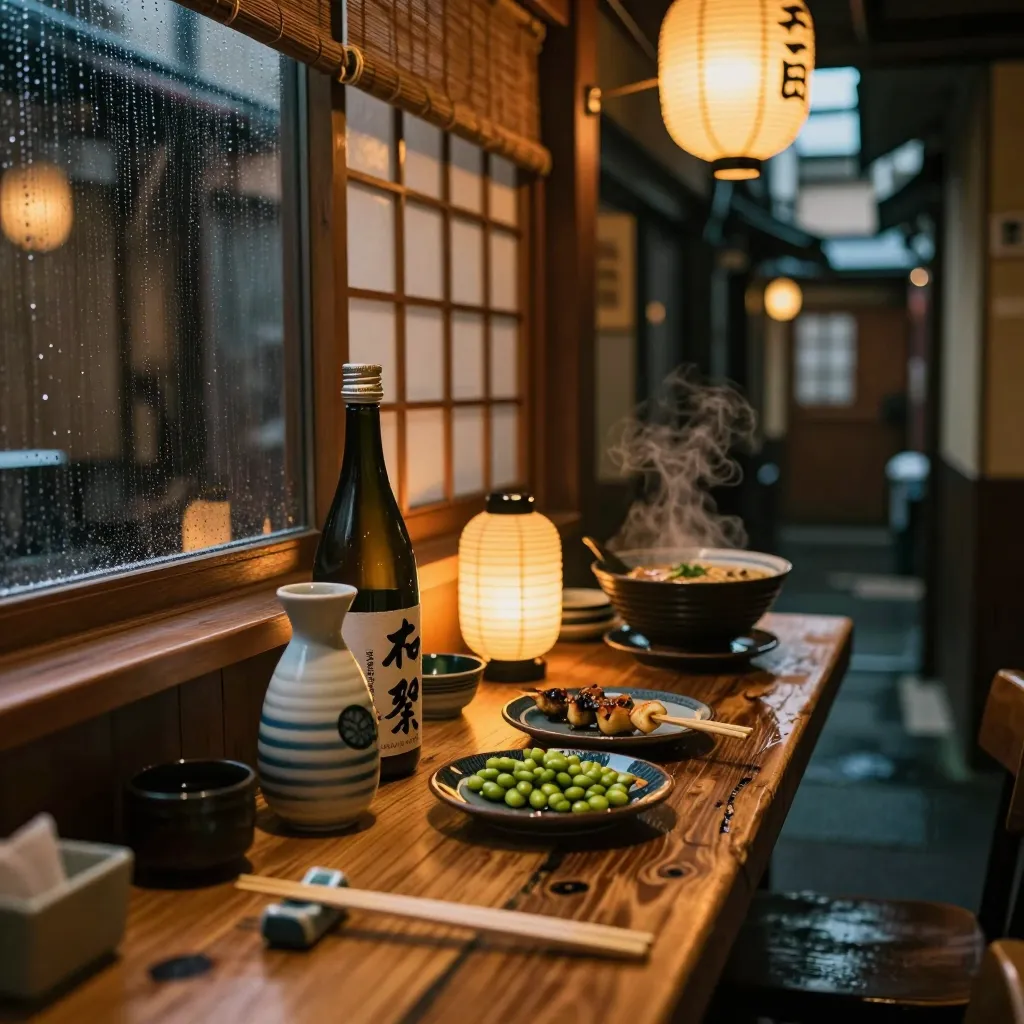
Authentic Japan: A Guide to Izakayas, Drinking Rituals, and Hidden Eateries
Unlock the true heart of Japanese social life through its food and drink culture. From the etiquette of nomikai parties to the mobile yatai stalls of Fukuoka, this guide helps travelers navigate authentic experiences and local rituals that foster genuine connection.
The uploaded file appears to be empty. I'll proceed with creating a fresh, independently written article about Japanese food and drink culture that fits the Wanderbite travel guide niche, focusing on authentic experiences beyond tourist traps. Japan's food and drink scene operates on an entirely different frequency from the rest of the world. This isn't just about eating well—it's about understanding a culture where every meal carries meaning, every pour follows protocol, and the best experiences hide in plain sight behind unmarked doors.
The Izakaya: Japan's True Social Laboratory
Forget the tourist-facing restaurants with picture menus. The real Japan reveals itself inside izakaya—those intimate pub-restaurants where locals decompress after work, hierarchies momentarily dissolve, and strangers become friends over shared plates .
These establishments follow their own rhythm. In Tokyo's Golden Gai district, over 200 micro-bars cram into six narrow alleys, many seating just five to ten people. Places like Albatross and La Jetée maintain their post-war character, serving simple yakitori and pickles in spaces where proximity forces conversation . The cramped quarters aren't a flaw—they're the point. You're meant to interact, to lean over and ask about someone's dish, to accept that spontaneous sake tasting from the elderly regular beside you.
Finding the Hidden Ones
Authentic izakaya rarely advertise in English. Look for red paper lanterns (chōchin) marking basement entrances or second-floor doorways. In Ebisu's Yokocho alley, multiple tiny establishments share a single food hall—each specializing in different regional cuisines, from Okinawan specialties to precision-grilled skewers .
The most rewarding spots have no English menus, sometimes no menus at all—just daily offerings scrawled on wall placards. This isn't exclusionary; it's an invitation. Learn two phrases: "Osusume wa nan desu ka?" (What do you recommend?) and "Moriawase" (assortment/platter). These magic words unlock the chef's best work .
Drinking Culture: The Unwritten Rules
Japanese drinking operates on a system of mutual obligation. You never pour your own drink. Watch the glasses around you—when someone's runs low, you pour for them using two hands, label facing upward. They'll reciprocate. This back-and-forth creates a rhythm that binds the group together .
The toast (kanpai) is non-negotiable. Everyone waits, glasses raised, until the organizer or most senior person initiates. When clinking with superiors, lower your glass slightly—a small gesture that acknowledges hierarchy even in casual settings .
Nomikai: Where Work Culture Meets Alcohol
The nomikai (drinking party) represents Japanese work culture distilled into its most concentrated form. These aren't optional social events—they're semi-mandatory gatherings where professional relationships deepen through shared intoxication .
Seating follows strict hierarchy. The highest-ranking person sits furthest from the door (the "kamiza" position), with importance decreasing toward the entrance. If you're unsure where to place yourself, choose the seat closest to the door—it's the safest default .
What happens at a nomikai stays there. This unspoken agreement allows colleagues to speak honestly, share grievances, or reveal personal sides they'd never show in the office. The next morning, everyone pretends the previous night didn't happen—it's a cultural reset button that actually strengthens workplace bonds .
Beyond the Tourist Trail: Authentic Food Experiences
Yatai Culture in Fukuoka
Fukuoka's mobile food stalls (yatai) represent Japan's most authentic street food tradition. These tiny counters—often just a few stools—serve tonkotsu ramen to locals who've frequented the same spot for decades. You sit shoulder-to-shoulder with strangers, steam rising from bowls while the chef shares stories about family recipes perfected over thirty years .
The experience transcends eating. Conversation flows naturally between diners and cooks. Regulars bring their own bottles to store behind the counter. This is social dining in its purest form—unscripted, unpretentious, and completely immersive .
Depachika: Underground Food Empires
Beneath Tokyo's department stores lie depachika—vast underground food halls that function as gourmet wonderlands. These aren't mere food courts but curated collections of regional specialties, from Hokkaido dairy to Kyoto pickles, each stall representing generations of craft .
Arrive in late afternoon when vendors discount unsold items. You'll find bento boxes that rival restaurant meals, prepared by chefs who've spent decades perfecting single dishes.
Toyosu Market: The Sushi Pilgrimage
The wholesale sections of Toyosu Fish Market remain off-limits to casual visitors—unless you enter with a working sushi chef. This VIP access transforms the experience: walking past rows of gleaming seafood, meeting the vendors who supply Japan's best restaurants, then taking your selected fish to the chef's restaurant to learn sushi preparation firsthand .
For enthusiasts, this represents the ultimate immersion—not just eating sushi, but understanding the supply chain, selection criteria, and craft that precedes the final bite.
Seasonal and Regional Nuances
Japan's food calendar follows nature precisely. Spring brings sakura-flavored everything and takenoko (bamboo shoots). Summer means unagi (eel) for stamina during heat waves. Autumn explodes with matsutake mushrooms and persimmons. Winter offers nabe hot pots and buri (yellowtail) at peak fat content.
Regional variations matter enormously. Nagoya's miso kushi katsu (miso-drenched fried skewers) reflects the city's red miso tradition. Kyoto's obanzai home cooking emphasizes local vegetables prepared simply. Osaka's takoyaki stands represent the city's casual, flavor-forward personality .
Practical Navigation
Timing Matters
Visit izakaya between 7-9 PM when they're lively but not overwhelmed. Many authentic establishments close earlier than tourist spots—locals need their sleep for tomorrow's workday.
Cash and Cover Charges
Many traditional spots don't accept credit cards. Carry cash. Some charge otōshidai—a small cover fee that includes an appetizer (otōshi). This isn't a tourist trap; it's standard practice .
Pacing Yourself
You don't need to match anyone drink for drink. Leave your glass half-full to signal you're fine for now. If you've reached your limit, "Mou kekkou desu" (I'm good, thanks) works, though you may need to repeat it gently .
The Afterparty Chain
A night rarely ends at one location. Nijikai (second party) and sanikai (third party) continue at smaller venues or private homes. Attendance drops at each stage—leaving after the first stop is completely acceptable .
The Philosophy Behind It All
Japanese food and drink culture isn't about consumption—it's about connection. The shared plates encourage conversation. The pouring ritual creates mutual obligation. The nomikai dissolves workplace barriers through temporary equality in intoxication.
What looks like complicated etiquette actually serves a deeper purpose: creating spaces where people can genuinely interact. The rules aren't barriers to entry; they're scaffolding that supports meaningful social exchange.
Master these rhythms, and Japan reveals itself—not the curated version for visitors, but the authentic culture where locals live, argue, bond, and find community over small plates and flowing drinks.