The Ultimate First-Timer's Guide to Japan: Planning Your Perfect Adventure
From neon-lit Tokyo to Kyoto's ancient temples, this comprehensive guide helps first-time visitors navigate Japan's unique culture, transportation, and traditions. Learn how to save money, respect local customs, and find the best accommodations for an unforgettable journey.
The Complete Japan Travel Guide: Planning Your First Adventure to the Land of the Rising Sun
Japan captivates travelers with its seamless blend of ancient traditions and cutting-edge modernity. From neon-lit cityscapes to tranquil temple gardens, this island nation offers experiences that linger long after your return flight. Whether you're drawn by cherry blossoms, culinary adventures, or the promise of soaking in natural hot springs, this guide covers everything you need to know for an unforgettable first visit.
When to Visit Japan
Timing your trip can dramatically shape your experience. Japan's distinct seasons each offer unique charms, though some periods draw heavier crowds and higher prices.
Peak Seasons: Spring and Autumn
The most popular times to visit are March to May and September to November . Spring brings the iconic cherry blossom season, when delicate pink petals transform parks and streets into ethereal landscapes. Temperatures hover between 40–70°F, creating perfect conditions for exploration. Autumn rivals spring's beauty with vivid red and gold foliage, particularly stunning in mountain regions and temple gardens.
Budget-Friendly Windows
For travelers seeking lower prices and thinner crowds, January through early March presents the best opportunity . While temperatures drop and daylight hours shorten, you'll encounter minimal tourist congestion and excellent deals on accommodations. Winter also unlocks Japan's world-class skiing in Hokkaido and the Japanese Alps, plus enchanting seasonal illuminations in major cities.
Periods to Approach with Caution
Golden Week (late April to early May) sees domestic travelers flooding transportation and attractions as four consecutive national holidays create an extended vacation period . Booking anything during this window requires months of advance planning. Similarly, O-bon in mid-August and the New Year period bring domestic travel surges.
The rainy season spans June through mid-July, bringing humid, drizzly conditions—though this also means fewer tourists at popular sites . Summer's peak heat and humidity (July–August) can be challenging for outdoor exploration, though mountain regions and Hokkaido offer cooler retreats.
Essential Pre-Trip Planning
Connectivity and Navigation
Reliable internet access proves invaluable for navigating Japan's extensive but complex transportation networks. Consider reserving a pocket Wi-Fi device before arrival, with pickup available at major airports like Narita . These devices typically cost around $100 for a two-week rental and provide essential connectivity for translation apps, route planning, and real-time train schedules.
Alternatively, purchase a local SIM card or data plan upon arrival. Major airports offer convenient pickup locations, and some providers deliver directly to your hotel .
Language Considerations
While English signage appears at major train stations and tourist sites, many Japanese people remain uncomfortable with conversational English . Download Google Translate before departure—the camera function proves particularly useful for reading menus and signs. Learning basic phrases like arigato gozaimasu (thank you) and sumimasen (excuse me/sorry) demonstrates respect and often elicits warm responses from locals.
Travel Insurance
Even in safe destinations, travel medical insurance provides essential protection. Coverage for trip interruptions, lost luggage, and emergency medical care ensures peace of mind throughout your journey .
Getting Around: Mastering Japanese Transportation
Japan's public transportation system ranks among the world's most efficient, though its complexity can overwhelm first-time visitors.
The Shinkansen Experience
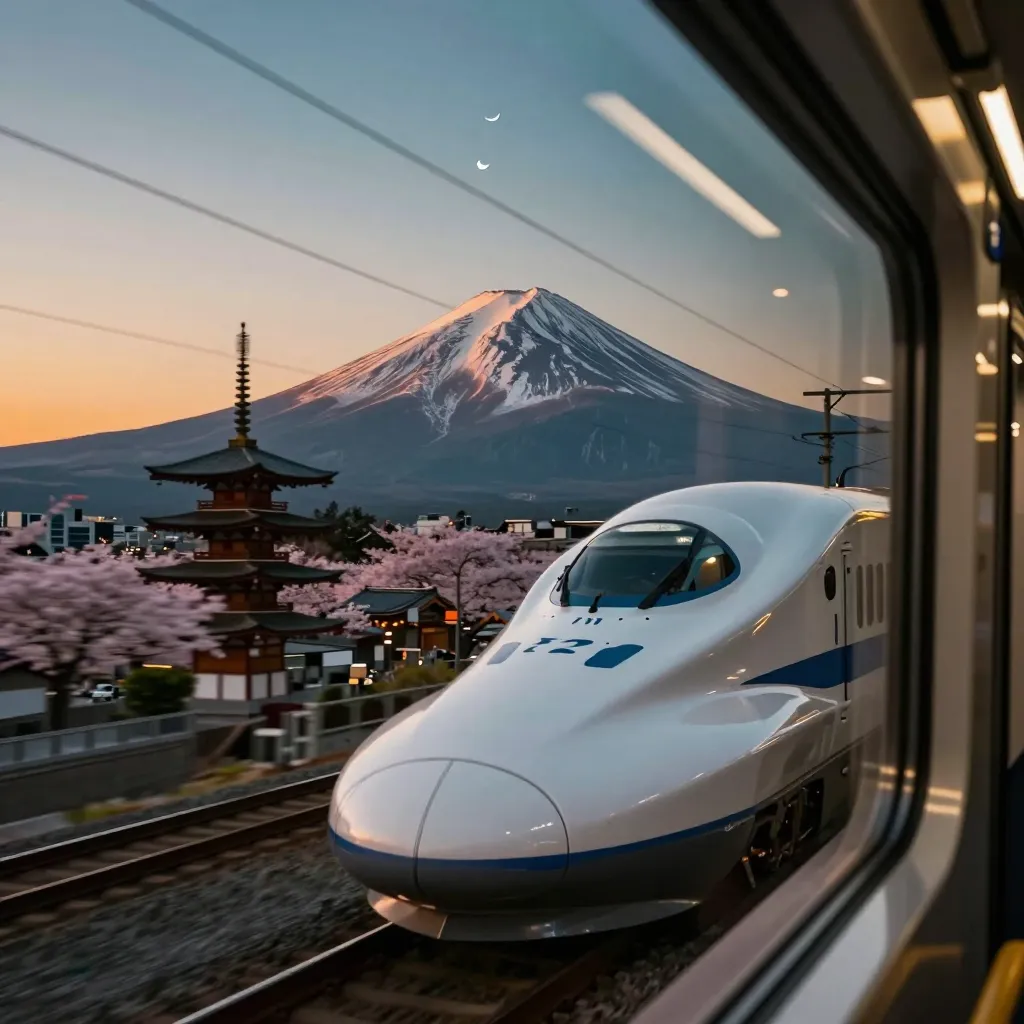
Riding the bullet train (Shinkansen) represents an essential Japanese experience. These sleek trains reach speeds exceeding 300 km/h, connecting major cities with remarkable punctuality . The Tokyo-to-Kyoto journey takes just over two hours—faster and more convenient than flying when you factor in airport transit time.
For extensive multi-city itineraries, the Japan Rail Pass offers unlimited travel on most JR trains, including Shinkansen (excluding Nozomi and Mizuho services), for 7, 14, or 21 consecutive days . Purchase your exchange voucher before arriving in Japan, then activate it at any major JR station.
Urban Navigation: IC Cards
For city travel, IC cards (Suica or Pasmo) eliminate the hassle of calculating individual fares. These rechargeable smart cards work across virtually all subways, buses, and even convenience stores throughout Japan . Simply tap at station gates and reload at any ticket machine. Each traveler requires their own card—sharing isn't permitted .
Important note for 2024: If traveling with large suitcases on Shinkansen, you must reserve seats with oversized baggage space (typically at the end of train cars) or face a ¥1,000 penalty .
Airport Transfers
Major airports including Narita, Haneda, and Kansai International offer excellent train connections to city centers. The Narita Express and Haruka (for Kansai) provide comfortable, direct service with reserved seating. For early arrivals or late departures, airport-area attractions like the historic town of Sawara near Narita offer rewarding layover exploration .
Where to Stay: Accommodation Options
Japan's accommodation landscape ranges from futuristic capsule pods to centuries-old ryokan inns, catering to every budget and travel style.
Traditional Ryokan
A ryokan stay delivers an immersive cultural experience. These traditional Japanese inns feature tatami mat flooring, sliding shoji paper doors, and futon bedding laid directly on the floor . Most include elaborate kaiseki dinners—multi-course meals showcasing seasonal ingredients and refined presentation techniques.
Ryokan often feature onsen (natural hot spring baths), either communal or private. The combination of exquisite cuisine, tranquil atmosphere, and therapeutic soaking creates an unforgettable experience. Expect to pay ¥15,000–¥50,000+ per night for quality establishments, though budget options exist in less touristy areas .
Business Hotels
For practical, affordable lodging, business hotels offer small but efficient Western-style rooms typically priced between ¥5,000–¥13,000 nightly . Chains like Toyoko Inn, APA Hotel, and Super Hotel operate locations nationwide, often near train stations. Rooms tend to be compact by Western standards, but cleanliness and amenities remain consistently high.
Capsule Hotels
Japan's iconic capsule hotels provide the ultimate minimalist accommodation. Introduced in 1979, these facilities offer private sleeping pods—roughly 1.2m wide, 2m long, and 1m high—stacked in rows . Each capsule typically includes a TV, lighting, alarm clock, and privacy curtain, with shared bathrooms and often communal baths.
Originally designed for office workers missing last trains home, capsule hotels now attract curious travelers seeking unique experiences. Prices range from ¥3,000–¥5,000 per night . Many modern facilities offer gender-segregated floors and English-language booking systems.
Minshuku and Guesthouses
Minshuku represent family-operated bed-and-breakfasts offering Japanese-style rooms and home-cooked meals . These intimate accommodations provide authentic interaction with local hosts and typically cost less than ryokan. Some feature shared bathrooms, so verify amenities when booking.
Must-Visit Destinations
Tokyo: The Capital of Contrasts
Japan's sprawling metropolis delivers sensory overload in the best possible way. Shibuya Crossing—the world's busiest pedestrian intersection—epitomizes Tokyo's energy, while nearby Meiji Shrine offers tranquil forest paths just steps from the urban chaos .
Essential Tokyo experiences include:
- Asakusa and Senso-ji Temple, the city's oldest Buddhist temple, surrounded by traditional shopping streets
- Harajuku and Takeshita Street for youth culture and quirky fashion
- Tsukiji Outer Market for fresh seafood breakfasts and culinary exploration
- TeamLab digital art museums for immersive visual experiences
For panoramic city views, skip the expensive Tokyo Skytree and instead visit the Tokyo Metropolitan Government Building in Shinjuku, where the north tower observation deck offers stunning vistas completely free .
Kyoto: The Cultural Heart
As Japan's capital for over a millennium, Kyoto preserves the nation's most refined traditional culture. The city demands early mornings—arriving at major temples by 7 AM rewards you with atmospheric solitude before tour buses arrive .
Unmissable Kyoto highlights:
- Fushimi Inari Taisha, with its mesmerizing pathway of thousands of vermillion torii gates winding up Mount Inari
- Kiyomizu-dera Temple, perched dramatically on wooden stilts with sweeping city views
- Arashiyama Bamboo Grove, though consider exploring lesser-known bamboo forests at Kodai-ji Temple for a more tranquil experience
- Gion district for glimpses of geiko (geisha) and traditional wooden machiya townhouses
Beyond the Golden Route
While Tokyo-Kyoto-Osaka forms the classic first-timer itinerary, venturing further reveals Japan's remarkable diversity:
Kanazawa on the Sea of Japan coast offers "Little Kyoto" charm without the crushing crowds, plus exceptional seafood and the stunning Kenrokuen Garden .
Takayama in the Japanese Alps preserves beautifully preserved Edo-period streets and renowned sake breweries offering tastings along the picturesque Sanmachi Street .
Hiroshima and nearby Miyajima Island combine poignant historical reflection with natural beauty—the floating torii gate at Itsukushima Shrine ranks among Japan's most photographed scenes .
Naoshima in the Seto Inland Sea has transformed from sleepy fishing island to world-class contemporary art destination, best explored by bicycle .
Japanese Etiquette and Cultural Norms
Understanding basic customs enhances your experience and demonstrates respect for local culture.
Bowing and Greetings
The bow serves as greeting, thanks, and apology in Japanese culture. As a visitor, you'll typically receive bows rather than be expected to initiate them, though returning a slight nod-bow shows appreciation . The depth indicates formality—casual encounters warrant a slight nod, while deeper bows convey greater respect.
Dining Customs
No tipping is expected in Japan; leaving money on the table creates confusion . Instead, express appreciation verbally with gochisousama deshita (thank you for the meal) when finished.
When paying, place money on the small tray provided rather than handing it directly to staff . Some establishments add a small otoshi appetizer (essentially a table charge) costing around ¥500—this is customary and non-optional .
Chopstick etiquette matters: never stick chopsticks upright in rice (resembling funeral rituals) or pass food directly from chopstick to chopstick . If provided, use the oshibori (hot towel) for hand cleansing only—not your face or mouth .
Public Behavior
Japan's public spaces operate with remarkable order. On trains, maintain quiet conversation, avoid phone calls, and silence your device near priority seating . Eating while walking is generally discouraged—consume snacks while stationary or seated .
Street trash cans remain scarce despite immaculate cleanliness; carry a small bag for garbage until you find disposal facilities, typically at convenience stores or your accommodation .
Budget Planning
Japan's reputation as an expensive destination isn't entirely deserved—strategic planning enables comfortable travel across budget ranges.
Daily Cost Estimates
For budget-conscious travelers, expect approximately $65–$120 daily covering basic accommodation, meals, and local transportation . Mid-range travelers should budget $150–$250 daily for comfortable hotels, restaurant meals, and occasional splurges. Luxury experiences including ryokan stays and fine dining require $400+ daily.
Money Matters
While credit card acceptance expands, cash remains essential—many small restaurants, temples, and rural establishments operate cash-only . Withdraw yen at 7-Eleven and Lawson convenience store ATMs, which reliably accept foreign cards . Carry a coin pouch, as ¥1, ¥5, ¥10, ¥50, ¥100, and ¥500 coins accumulate quickly.
Saving Strategies
- Convenience store meals (konbini) offer surprisingly high-quality food at budget prices—onigiri rice balls, fresh sandwiches, and bento boxes cost ¥300–¥600
- Department store restaurant floors (typically basement levels or upper floors) provide excellent value for lunch sets
- Free attractions including temples, parks, city viewpoints, and hiking trails balance paid experiences
- JR Pass pays for itself with three or more long-distance Shinkansen journeys
Essential Experiences to Prioritize
Beyond sightseeing, certain activities define the Japanese travel experience:
Onsen Immersion
Bathing in natural hot springs represents an essential cultural practice. Whether at a public bathhouse, ryokan facility, or dedicated onsen town like Kinosaki or Hakone, the ritual of washing thoroughly before soaking, then relaxing in mineral-rich waters, provides profound physical and mental restoration .
Tea Ceremony Participation
Kyoto offers the finest opportunities to experience chanoyu—the Japanese tea ceremony. This choreographed ritual of matcha preparation and consumption embodies principles of harmony, respect, purity, and tranquility .
Seasonal Festivals
Timing your visit with local matsuri (festivals) creates unforgettable memories. The Gion Matsuri in Kyoto (July) features massive parade floats and traditional celebrations, while regional festivals like Nebuta Matsuri in Aomori (August) showcase illuminated floats and energetic dancing .
Culinary Deep-Dives
Japan's food culture rewards exploration beyond sushi and ramen. Seek out izakaya (Japanese pubs) for shared small plates, yakitori specialists for grilled chicken skewers, okonomiyaki (savory pancakes) in Osaka, and regional specialties wherever you travel. Food markets like Nishiki Market in Kyoto or Kuromon Market in Osaka offer tasting adventures .
Final Thoughts
Japan rewards the prepared traveler with experiences that seamlessly blend the extraordinary and the everyday. The same country that produces bullet trains departing to the second also maintains temples where monks have swept the same stone paths for centuries. Where convenience stores stock Michelin-worthy rice balls, and where strangers will stop to prevent others from walking through your photograph.
Approach your journey with curiosity, respect for local customs, and willingness to venture beyond the obvious. The Japan you discover will likely exceed every expectation—and leave you planning your return before you've even departed.