Mastering European Transit: A Complete Guide to Getting Around
Learn how to master European transit by weighing the benefits of high-speed rail, budget aviation, urban public transport, and road travel. This guide provides essential logistics to help both first-timers and seasoned explorers plan the perfect route across the continent.
Navigating Europe: How to Master Your Transit Logistics
Deciding how to move across the European continent is one of the most significant choices in your travel journey. Whether you are hopping between capitals, exploring the hidden wine regions of the countryside, or navigating the dense streetscapes of historic cities, your choice of transportation determines the rhythm and personality of your trip.
The Rail Advantage
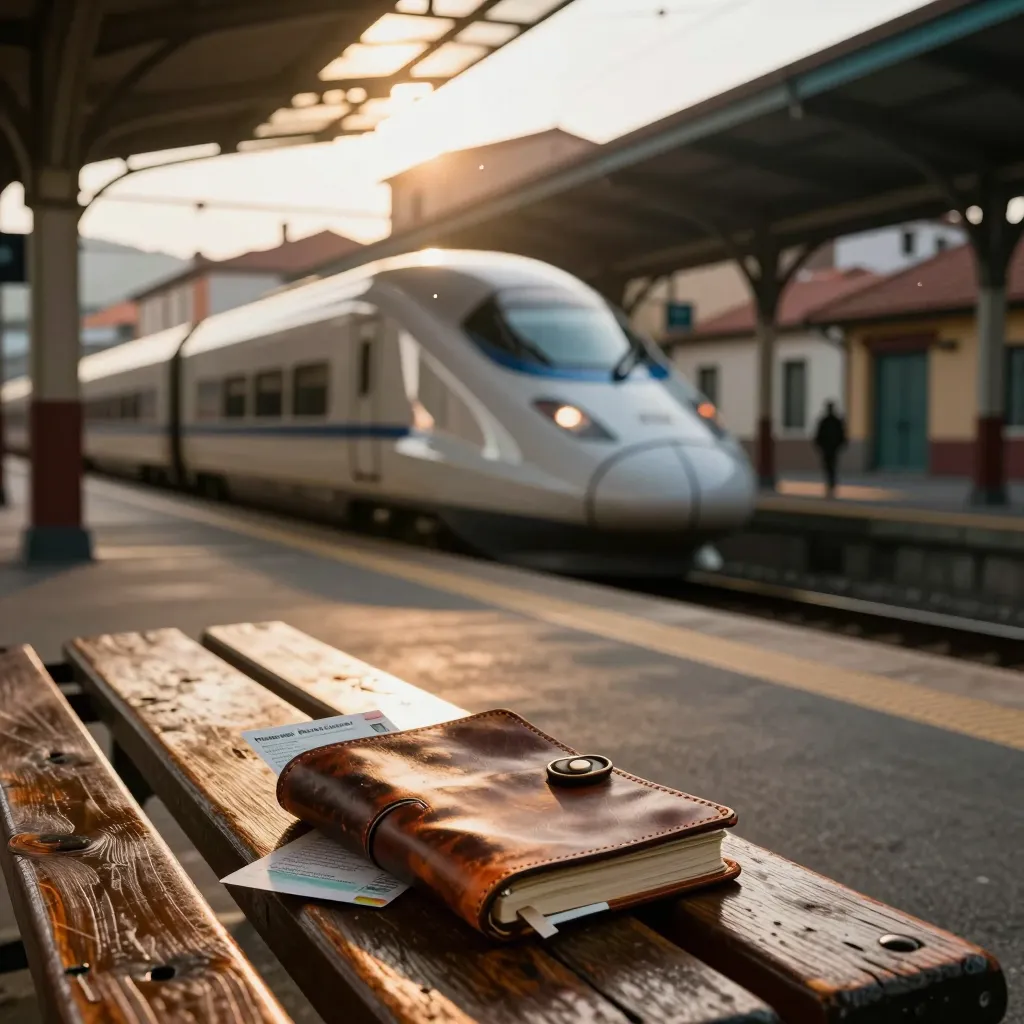
Europe possesses one of the most sophisticated and efficient rail systems in the world. High-speed lines can whisk you from city center to city center in a fraction of the time it takes to process through airport security.
- Convenience: Trains deposit you in the heart of the city, skipping the lengthy transfers associated with remote airports.
- Scenery: Rail travel offers a view of the changing landscape—from the Alpine peaks of Switzerland to the coastal curves of the Mediterranean—that you simply miss from the sky.
- Flexibility: Relying on regional and high-speed rail allows for spontaneous detours, provided you choose the right ticket type or rail pass.
When to Fly
While trains are the preferred mode for many, aviation is necessary for long-distance jumps or travel to island nations.
- Budget Carriers: Europe’s low-cost airline landscape is expansive. However, weigh the ticket price against "hidden" costs like baggage fees and the price of shuttles to peripheral airports.
- Hub Connectivity: When transiting through major European hubs, always allow for generous layover windows to navigate terminal security and potential delays.
Urban Transit: Mastering the City
Once you arrive, your feet are your primary tool, but public transit is your lifeline.
- Subways and Metros: Efficient, color-coded, and fast. Familiarize yourself with a city’s specific ticketing app or contactless payment system for the most seamless experience.
- Buses and Trams: Often overlooked, buses provide the best perspective of local neighborhoods. They are essential in cities where the topography or historical layout makes subway construction impossible.
The Case for Driving
A rental car offers unparalleled freedom, especially when you plan to visit remote villages, mountain passes, or rural culinary haunts that public transit cannot reach.
- The Planning Phase: Booking a manual transmission is standard in Europe; if you require an automatic, ensure you secure it well in advance, as these remain a limited commodity.
- Navigational Realities: Modern GPS navigation is a must, but understand that older European city centers are plagued by narrow, sometimes restricted-access streets. Familiarize yourself with ZTL (Zona Traffico Limitato) zones in Italy and similar restrictive zones across the continent to avoid hefty fines.
- Practical Logistics: Fueling up is straightforward, but parking is an art form. Research parking garages (often located on the city outskirts) in advance, as street parking is frequently reserved for local residents.
- Documentation and Protection: Beyond a valid driver's license, verify if an International Driving Permit (IDP) is required for your destination. Furthermore, prioritize comprehensive insurance packages that include a Collision Damage Waiver (CDW) to account for the unique stress of maneuvering tight medieval alleys.
Water and Road Alternatives
Travel in Europe isn't confined to land. Ferries remain a vital, scenic, and practical way to cross the North Sea, the Baltic, or the Mediterranean. Similarly, long-distance bus networks have evolved significantly, offering a cost-effective alternative to trains for those looking to stretch their budget without sacrificing reach.
The key to successful travel logistics is matching your transport mode to your specific itinerary goals. Whether you crave the high-speed thrill of a train, the independence of the open road, or the efficiency of an urban subway, mastering the transit landscape is your first step toward an authentic European adventure.