Thailand Cultural Calendar: A Guide to Annual Festivals and Events
Discover the magic of Thailand through its vibrant festivals. This comprehensive guide covers everything from the nationwide splashes of Songkran to the spiritual beauty of the Chiang Mai Lantern Festival, helping travelers experience the kingdom’s deep traditions and local heritage.
Thailand’s Cultural Calendar: A Guide to Annual Festivals and Events
Thailand is a land defined by its vibrant traditions, deep-rooted Buddhist faith, and a penchant for sanuk (fun). Throughout the year, the kingdom plays host to a diverse array of festivals, ranging from quiet, candlelit spiritual observances to high-energy nationwide water fights.
Many of Thailand's most significant dates are determined by the lunar calendar, meaning the exact days shift annually. While some festivals are celebrated in every corner of the country, others offer a localized glimpse into regional heritage. This guide highlights the most essential cultural events to help you plan your journey through the Thai seasons.
January: New Beginnings and Northern Craft
The year begins with a mix of international celebrations and local artistry.
- New Year’s Day (January 1): A public holiday marked by merit-making at temples and countdown parties in major cities.
- Children’s Day (Second Saturday of January): A day dedicated to the younger generation, with museums, military bases, and government buildings opening their doors for special activities.
- Bo Sang Umbrella Festival: Located near Chiang Mai, the village of Bo Sang comes alive with colorful paper umbrellas, parades, and exhibitions showcasing traditional Lanna handicrafts.
- Chinese Lunar New Year (January/February): While not a national holiday, the "Year of the Snake" (January 29, 2025) is celebrated with dragon dances and red lanterns, particularly in Bangkok’s Chinatown (Yaowarat), Phuket, and Chiang Mai.
February: Flowers and Devotion
February focuses on the natural beauty of the North and the first major Buddhist holiday of the year.
- Chiang Mai Flower Festival (First weekend of February): The "Rose of the North" showcases its blooms with elaborate floral floats and garden displays.
- Makha Bucha Day (February/March): A significant Buddhist holiday commemorating the spontaneous gathering of 1,250 disciples. Devotees visit temples for evening candlelit processions (wian tian).
- Trang Underwater Wedding: A unique Valentine’s Day tradition where couples take their vows beneath the Andaman Sea.
- Burapa Bike Week: Held in Pattaya, this is Southeast Asia’s premier gathering for motorcycle enthusiasts.
March: Honoring Heritage
- National Thai Elephant Day (March 13): A day to honor the national animal with special fruit banquets provided for elephants across the country.
- National Muay Thai Day (March 17): Martial arts fans head to Ayutthaya for the Wai Khru ceremony, where fighters pay respect to their teachers.
April: The Splashes of Songkran
April is the hottest month in Thailand, making it the perfect time for the world’s largest water festival.
- Chakri Day (April 6): Honors the founding of the current Chakri Dynasty.
- Songkran Festival (April 13–15): The traditional Thai New Year. While it begins with merit-making and pouring scented water over Buddha images, it evolves into a massive, nationwide water fight.
- Wan Lai Festival: Held in Chonburi and Pattaya shortly after Songkran, featuring sand sculpture competitions and continued festivities.
May: Rockets and Rituals
- Royal Ploughing Ceremony: An ancient rite held in Bangkok to predict the success of the upcoming rice harvest.
- Visakha Bucha Day: The holiest day in the Buddhist calendar, marking the birth, enlightenment, and passing of the Buddha.
- Bun Bang Fai (Rocket Festival): In the northeastern region of Isaan (notably Yasothon), massive homemade rockets are launched into the sky to encourage the gods to send rain for the planting season.
- Inthakin City Pillar Festival: A week-long celebration in Chiang Mai focused on honoring the city’s guardian spirit.
June & July: Seasonal Spectacles
- Phi Ta Khon (Ghost Festival): Held in Dan Sai, Loei province, locals wear colorful masks made from coconut husks and colorful costumes to dance in a parade that blends Buddhist lore with animist traditions.
- Asahna Bucha & Khao Phansa (July): These dates mark the beginning of Buddhist Lent. The Ubon Ratchathani Candle Festival is a highlight, featuring towering, intricately carved wax sculptures.
- Birthday of King Rama X (July 28): A public holiday celebrated with yellow decorations and royal ceremonies.
August & September: Respect and Remembrance
- Mother’s Day (August 12): Celebrated on the birthday of HM Queen Sirikit, The Queen Mother. Thais often wear blue to show their respect.
- Por Tor (Hungry Ghost Festival): Primarily observed by the Chinese community in Phuket, involving offerings to ancestors and spirits.
- Thai National Flag Day (September 28): Commemorating the day the iconic tricolor flag was adopted.
October: Lights and Traditions
- Awk Phansa: Marking the end of Buddhist Lent. In Nong Khai, thousands gather to witness the Naga Fireballs, mysterious glowing orbs that rise from the Mekong River.
- Chulalongkorn Day (October 23): Commemorating one of Thailand’s most revered monarchs, King Rama V.
- Vegetarian Festival: A nine-day period of purification. While celebrated in Bangkok and Chiang Mai, the most dramatic ceremonies take place in Phuket, involving street processions and ascetic rituals.
November: The Festival of Lights
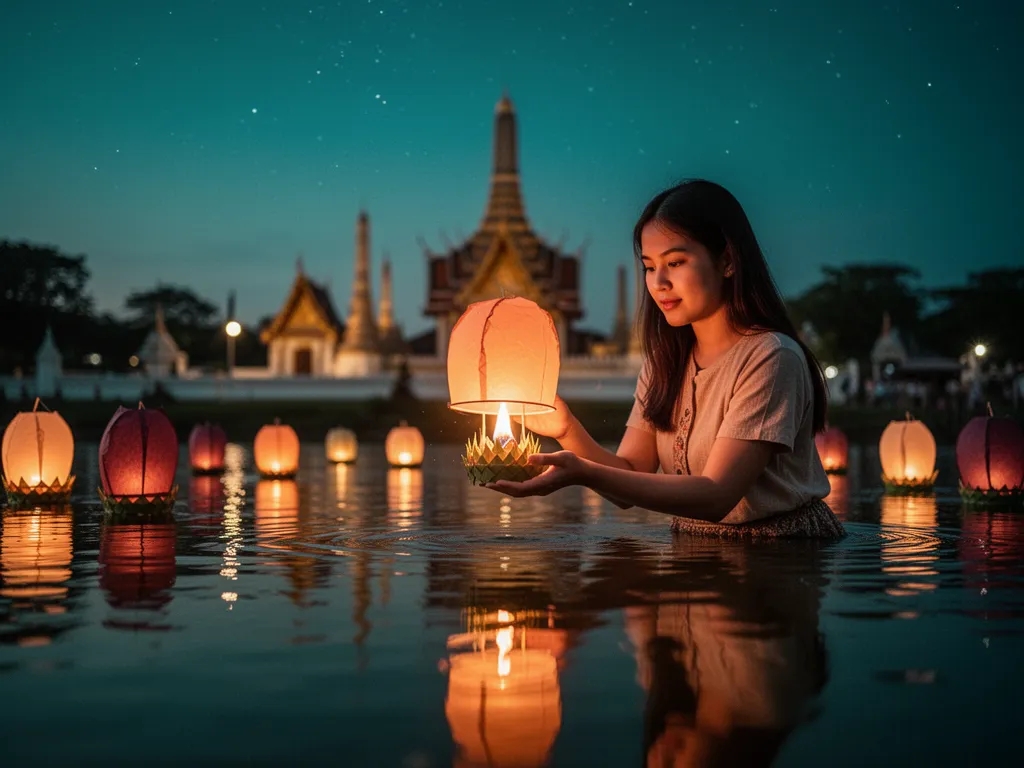
- Loy Krathong: One of Thailand’s most beautiful nights. People gather by rivers and ponds to float krathongs (lotus-shaped baskets) to release bad luck and honor the water goddess.
- Yi Peng (Lantern Festival): In Chiang Mai, Loy Krathong coincides with Yi Peng, where thousands of glowing sky lanterns are released, illuminating the night sky.
- Lopburi Monkey Banquet: A quirky festival where the local macaque population is treated to a massive buffet of fruits and vegetables at the ancient Khmer temples.
December: Year-End Celebrations
- Father’s Day (December 5): Commemorating the birthday of the late King Bhumibol Adulyadej (Rama IX). It is a day of national reflection and gratitude.
- Concert in the Park: Starting in mid-December, Bangkok’s public parks host free Sunday evening performances by the Bangkok Symphony Orchestra.
- New Year’s Eve (December 31): Massive countdowns, fireworks, and prayers for the upcoming year take place in major hubs like Bangkok’s CentralWorld and the banks of the Chao Phraya River.