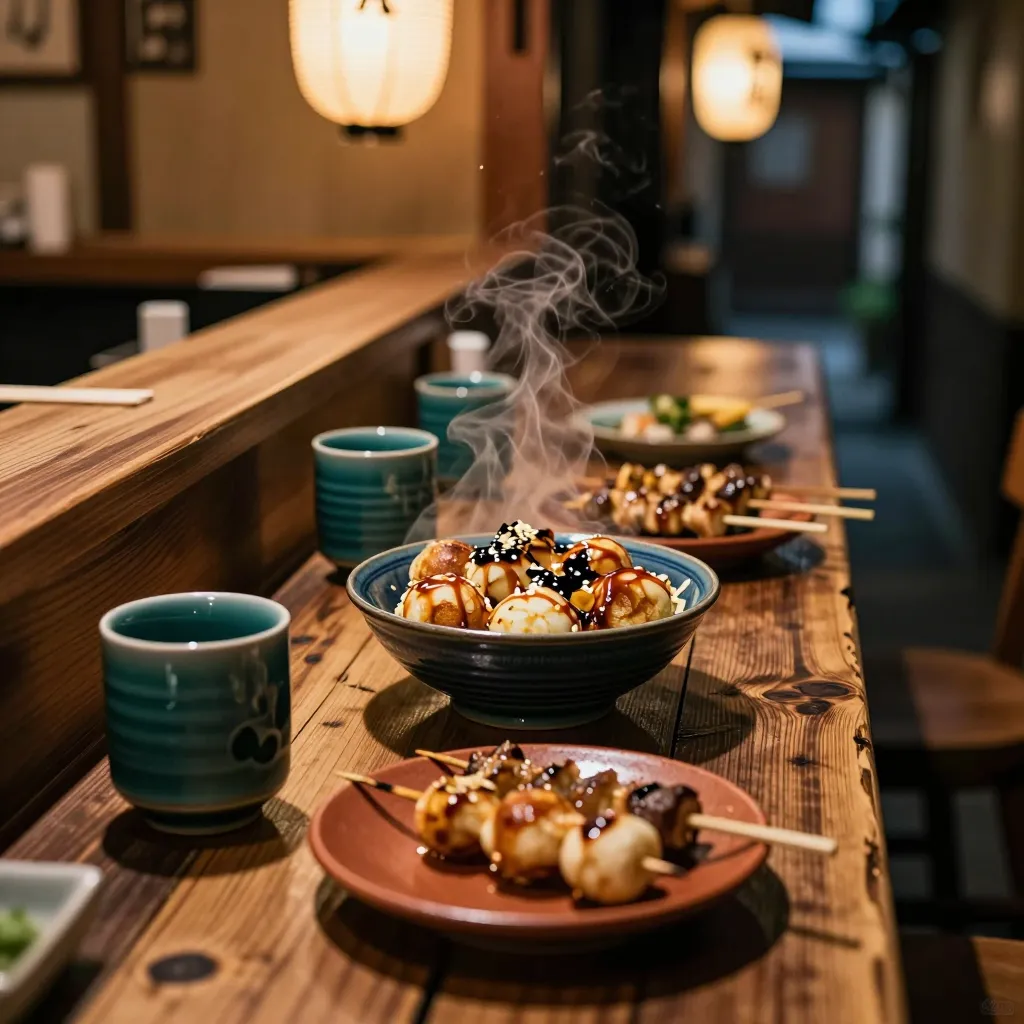
Western Japan's Hidden Culinary Treasures: A Traveler's Guide to Authentic Flavors
Explore Western Japan's diverse culinary landscape, from Kyoto's refined kaiseki traditions to Osaka's street food culture. This guide reveals authentic regional specialties, hidden izakaya gems, and practical tips for travelers seeking genuine Japanese dining experiences away from crowded tourist spots.
Japan Travel Guide: Authentic Experiences Beyond the Tourist Trail
Japan captivates visitors with its seamless blend of ancient traditions and cutting-edge modernity. From neon-lit streets of Tokyo to serene bamboo groves of Kyoto, this island nation offers adventures that satisfy every type of traveler. Whether you're chasing cherry blossoms, hunting for the perfect bowl of ramen, or seeking hidden temples away from the crowds, Japan rewards those who venture beyond the typical tourist path.
Planning Your Japanese Adventure
Best Time to Visit
Japan reveals different charms throughout the year. Spring (March to May) draws millions for hanami—the traditional custom of appreciating cherry blossoms. Parks transform into pink wonderlands, and festivals fill the air with celebration. However, this peak season means higher prices and larger crowds at popular sites.
Autumn (September to November) offers equally stunning scenery as maple leaves turn brilliant shades of orange and red. The weather remains comfortable, and cultural events like harvest festivals provide authentic glimpses into Japanese life.
Summer brings vibrant matsuri (festivals), though humidity can be intense, especially in July and August. Winter transforms the landscape into a snowy paradise, particularly in Hokkaido and mountainous regions, where skiing and hot springs become major draws.
Essential Travel Preparations
Japan requires some advance planning. Secure your Japan Rail Pass well before arrival—this unlimited transportation ticket offers exceptional value for multi-city trips and can be purchased online before departure. Many travelers recommend booking accommodations 2-3 months ahead, particularly during peak seasons like Golden Week (late April to early May) and Obon (mid-August).
Download essential apps before arriving: translation tools, transit maps, and restaurant reservation systems will prove invaluable. While many Japanese businesses accept credit cards, smaller establishments, rural areas, and many restaurants still operate on cash-only bases.
Tokyo: The City That Never Sleeps
Beyond Shibuya Crossing
Tokyo's famous scramble intersection certainly deserves attention, but the city's true magic lies in its diverse neighborhoods. Shimokitazawa, a laid-back district southwest of central Tokyo, features vintage clothing shops, independent coffee roasters, and intimate live music venues tucked into narrow alleyways.
Koenji offers a countercultural vibe with its punk rock heritage, retro arcade parlors, and izakaya (Japanese pub) scene that comes alive after dark. Wander the covered shopping streets and discover record shops, vintage fashion boutiques, and neighborhood bars where locals gather.
Nezu presents a more refined atmosphere, where traditional gardens and historic temples provide peaceful respite from urban energy. The area near Nezu Shrine becomes particularly spectacular during autumn when momiji (Japanese maple) leaves paint the landscape in brilliant reds.
Tokyo's Food Scene
Tokyo holds more Michelin stars than any other city globally, yet its most memorable meals often come from unassuming establishments. Tsukiji Outer Market (moved to Toyosu but still called by the original name) offers fresh seafood, grilled skewers, and tamagoyaki (rolled omelet) from vendors who have perfected their crafts over decades.
Venture into the Yoyogi-Uehara area for exceptional value izakaya fare, where salary workers unwind with yakitori (grilled chicken skewers), edamame, and ice-cold Asahi. The golden hour between 5 and 7 PM often brings nomihoudai (all-you-can-drink) specials that make exploring Japanese drinking culture accessible and affordable.
For an unforgettable morning, wake early and visit Tsukiji fish market's outer area for the freshest sushi of your life. Standing sushi bars here seat only a handful of guests, and the skilled itamae (sushi chef) may prepare your order based on what arrived that morning from the auction floor.
Kyoto: Where History Breathes
Temples and Gardens Off the Beaten Path
While Kinkaku-ji (the Golden Pavilion) and Fushimi Inari draw deserved crowds, Kyoto rewards those who explore further. Tofuku-ji Temple offers stunning autumn foliage views across its famous bridge, with far fewer visitors than neighboring attractions. The temple's moss garden, designed in 1939, remains a masterpiece of contemplative landscape design.
Nanzen-ji combines traditional Zen aesthetics with surprising industrial history—the Roman-style aqueduct cutting through the temple grounds creates a surreal juxtaposition of ancient and modern Japan. Climb the stone steps to the main gate for panoramic views of the Higashiyama mountains.
For complete tranquility, seek Jojakko-ji Temple in the northern Arashiyama district. This small hillside temple requires climbing a steep staircase but rewards visitors with sweeping views of Kyoto and the surrounding mountains. The temple's rock garden and seasonal flowers provide peaceful meditation spaces.
Kyoto's Culinary Identity
Kyoto cuisine, known as Kyo-ryori, emphasizes seasonal ingredients prepared with subtle techniques that preserve natural flavors. Unlike Tokyo's bold tastes, Kyoto's food philosophy centers on harmony and restraint.
Nishiki Market, nicknamed "Kyoto's kitchen," stretches several blocks of narrow lanes packed with vendors selling pickles, dried seafood, matcha sweets, and regional specialties. Morning visits offer the best experience before tour groups arrive.
For an authentic kaiseki experience without Michelin prices, explore the restaurants near Gion's Hanamikoji Street. This preserved geisha district features machiya (traditional wooden townhouses) converted into intimate restaurants serving multicourse meals that change with the seasons.
Regional Gems
Kanazawa: The Other Geisha District
On the Sea of Japan coast, Kanazawa preserves Edo-period charm without the crowds of Kyoto. The Higashi Chaya District maintains its historic tea house architecture, where you might glimpse maiko (apprentice geisha) hurrying between appointments.
Kenroku-en Garden, consistently ranked among Japan's top three landscape gardens, showcases the concept of shakkei (borrowed scenery)—the surrounding mountains become natural extensions of the garden's design. Visit in late February to witness g辅 to (ice walls), a unique winter tradition where frozen ropes protect pine trees from snow damage.
The 21st Century Museum of Contemporary Art houses installations that challenge traditional museum expectations, including the famous swimming pool piece that appears to have water rising above visitors' heads.
Takayama: Old Japan in the Mountains
Nestled in the Japanese Alps, Takayama feels transported from centuries past. The morning markets along the Miyagawa River offer local vegetables, pickles, and crafts, while the preserved sanmachin (old town) district features wooden merchant houses dating to the Edo period.
The region's Hida beef rivals Kobe beef in marbling and flavor. Sample this premium wagyu at gyuandon (beef bowl) establishments throughout town, or treat yourself to a multi-course Hida beef kaiseki at traditional ryokan (Japanese inn).
Practical Tips for Authentic Experiences
Transportation Secrets
The Japan Rail Pass covers most major intercity routes, but local trains and buses often serve smaller destinations more conveniently. Consider purchasing a regional pass if your itinerary focuses on specific areas like Hokkaido or Kyushu.
Off-peak travel—particularly midweek and during shoulder seasons—provides smoother experiences. Golden Week and New Year's holidays see extreme crowding; if visiting during these periods, book everything far in advance and prepare for packed trains.
Language and Communication
Japanese signage in major tourist areas increasingly includes English, but rural locations may offer only Japanese. Learning a few essential phrases transforms interactions: Arigatou gozaimasu (thank you very much) and Sumimasen (excuse me) open doors and show respect.
Business cards exchanged with both hands, Japanese side facing the recipient, remain important in professional settings. Small gifts presented with both hands, never opening gifts in front of the giver—these cultural nuances matter and are appreciated.
Accommodations Beyond Hotels
Ryokan (traditional inns) provide immersive cultural experiences with tatami rooms, futon bedding, kaiseki dinners, and communal onsens (hot springs). Budget travelers find affordable options in business hotels, capsule hotels, or temple stays where monks provide lodging and simple vegetarian meals.
Airbnb and vacation rentals offer kitchen access—perfect for shopping at local markets and cooking regional ingredients yourself. This approach works particularly well for families or extended stays.
Culinary Adventures Across Regions
Street Food Essentials
Japanese street food combines convenience with culinary excellence. Takoyaki (octopus balls) in Osaka, ** Ikayaki** (grilled squid) in Tsukiji, Yakitori skewers at any train station—these portable delights fuel exploration.
Regional specialties merit dedicated attention: Hiroshima's okonomiyaki (savory pancake) differs dramatically from Osaka's version. Hakata ramen in Fukuoka uses rich tonkotsu (pork bone) broth. Sapporo's jingisukan (grilled lamb) connects to Mongolian barbecue traditions.
Respectful Dining Etiquette
Slurping noodles indicates appreciation rather than poor manners—do not hesitate to make noise when enjoying ramen or soba. Finish all rice and pickles in your bowl; leaving food suggests dissatisfaction with the meal.
At izakaya, dishes are meant for sharing. Order several small plates, passing plates around the table—this communal style reflects Japanese dining culture's emphasis on togetherness.
Hidden Gems Worth Seeking
Islands Near Tokyo
Mikurajima, a small island in the Izu chain, offers swimming with manta rays and dolphin encounters without the crowds of more famous destinations. Overnight ferries depart from Tokyo's Takeshiba terminal, and the island's 200 residents welcome visitors seeking genuine disconnection.
Shimoda, the oldest port in the Izu Peninsula, served as Commodore Perry's landing point in 1854, opening Japan to the Western world. Today, it provides accessible beach access, snorkeling, and hiking trails connecting secluded coves.
Mountain Retreats
Kamikochi, accessible only by bus from Matsumoto, bans private vehicles entirely during peak season. This protected valley features pristine river walks, suspension bridges, and mountain scenery that represents Japan at its most pristine.
Kurobe Canyon, accessed via Japan's steepest cable car, leads to dramatic alpine landscapes, including the impressive Kurobe Dam—the largest arch dam in Japan.
Conclusion
Japan rewards travelers who balance famous landmarks with serendipitous discoveries. The country's legendary hospitality, omotenashi, extends to those who show genuine interest in local customs and sincere appreciation for the culture. Beyond the Instagram moments at iconic temples lie countless opportunities for authentic connection—whether sharing sake with locals at a neighborhood izakaya, discovering an unmarked restaurant specializing in one dish perfected over generations, or simply sitting in silence watching clouds drift across mountain temples.
Every season, every region, every meal offers fresh revelations. Japan demands no extreme adventure sports or survival skills—only openness to new experiences and willingness to step beyond comfortable expectations. The memories created here—the taste of freshly grated wasabi, the sound of temple bells at dawn, the sight of a lone deer wandering through ancient torii gates—stay with travelers long after returning home.
Begin planning your journey with an open heart and curious spirit. Japan has been refining its art of hospitality for centuries, and the country genuinely wants you to experience its magic.