Exploring Hiroshima and Miyajima: A Journey of History and Scenic Beauty
From the moving Peace Memorial Park to the iconic floating torii gate of Miyajima, explore the best of this historic region. Perfect for travelers seeking a mix of deep cultural reflection and stunning natural landscapes in Japan.
Hiroshima and Miyajima Travel Guide
Less than two hours by bullet train from Kyoto, Hiroshima stands as one of Western Japan's most compelling destinations. The city carries a profound historical weight while maintaining a vibrant, forward-looking energy. Just offshore, Miyajima Island offers a striking contrast—a sanctuary of ancient forests, sacred shrines, and free-roaming deer. Together, they create one of Japan's most rewarding multi-day itineraries.
Getting There and Around
By Train: The Shinkansen (bullet train) connects Hiroshima to major cities across Japan. From Kyoto or Osaka, the journey takes roughly 90 minutes on the Tokaido-Sanyo line. The Japan Rail Pass covers this route, making it a practical choice for travelers with a multi-city itinerary.
From Hiroshima to Miyajima: Take the JR Sanyo Line from Hiroshima Station to Miyajimaguchi (about 25 minutes), then board the JR ferry for the 10-minute crossing to the island. The entire trip is covered by the Japan Rail Pass.
Getting Around Hiroshima: The city has an efficient tram network, including the historic Hiroshima Electric Railway streetcars. A one-day tram pass offers good value for visitors planning to explore multiple districts. Bicycles are also widely available for rent and provide an excellent way to see the city at a relaxed pace.
On Miyajima: The island is compact and largely pedestrian-only. Most attractions are within walking distance of the ferry terminal, though a ropeway carries visitors up Mount Misen for panoramic views.
When to Visit
Hiroshima and Miyajima can be enjoyed year-round, but each season brings a distinct character:
Spring (March–May): Cherry blossoms typically peak in early April. Hiroshima Peace Memorial Park and Miyajima's cherry-lined paths draw visitors for hanami (flower viewing). The weather is mild and comfortable for walking.
Summer (June–August): Hot and humid, with occasional heavy rains in June and early July. Miyajima's beaches become popular, and the island hosts fireworks and festivals in July and August. Hydration and sun protection are essential.
Autumn (September–November): Arguably the best season. Temperatures cool, skies clear, and the maple trees on Miyajima turn brilliant shades of red and gold. Late November is peak foliage season.
Winter (December–February): Cold but rarely snowy. Crowds thin out significantly, making it ideal for travelers who prefer quiet exploration. Oyster season is in full swing, and Miyajima's temples take on a serene, meditative quality.
Top Things to Do
Hiroshima Peace Memorial Park and Museum
The atomic bombing of August 6, 1945, reshaped Hiroshima and the world. The Peace Memorial Park occupies the ground zero area, a spacious green expanse dotted with monuments, memorials, and the skeletal remains of the Genbaku Dome—one of the few structures left standing near the hypocenter. The Peace Memorial Museum provides a sobering but essential account of the bombing's human cost, told through personal artifacts, photographs, and survivor testimonies. It is not an easy visit, but it is a necessary one.
Shukkei-en Garden
A compact but exquisite traditional garden dating back to 1620. Designed in the style of a miniature landscape, it features teahouses, bridges, and a central pond surrounded by meticulously pruned trees. It offers a moment of calm and a glimpse into pre-war Hiroshima.
Hiroshima Castle
Reconstructed after the bombing, this five-story castle houses a museum on samurai history and regional culture. The top floor provides views over the modern city. The surrounding park is a pleasant spot for a stroll, particularly in spring when the cherry trees bloom.
Itsukushima Shrine and the Floating Torii Gate (Miyajima)
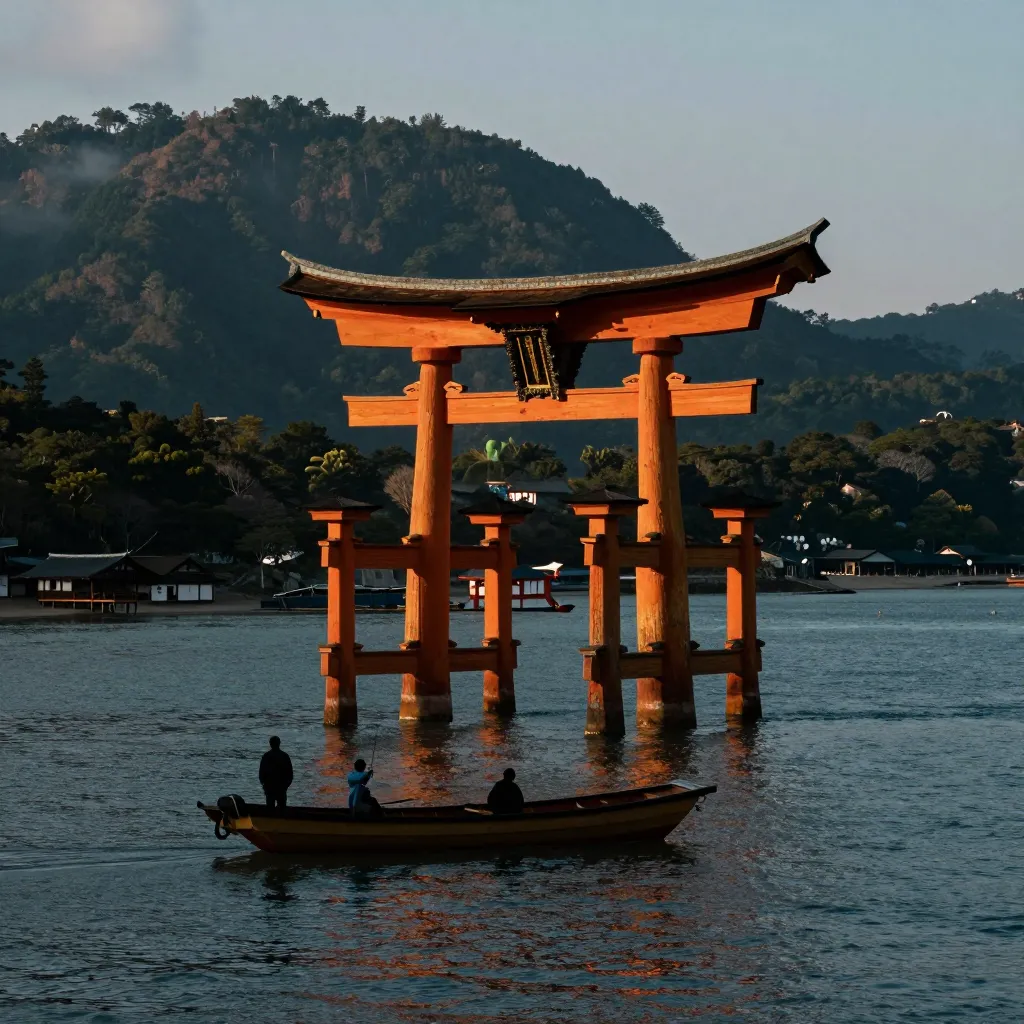
Miyajima's most iconic sight: a massive vermillion torii gate standing in the tidal flats, appearing to float on water at high tide. The adjacent Itsukushima Shrine, built over the water on stilts, is a UNESCO World Heritage Site and one of Japan's most photographed locations. Plan to visit at both high and low tide to experience the gate in its two distinct states.
Mount Misen
Miyajima's highest peak rises to 535 meters and offers sweeping views of the Seto Inland Sea. The ropeway covers most of the ascent, but a network of hiking trails leads to the summit for those who prefer to walk. The Momijidani (Maple Valley) route is particularly scenic in autumn.
Daisho-in Temple
Located at the base of Mount Misen, this Shingon Buddhist temple complex is less crowded than Itsukushima Shrine but equally atmospheric. Hundreds of small stone statues line the pathways, and the temple buildings cascade up the hillside through dense forest. The rotating sutra wheels and the cave of 500 rakan (Buddhist disciples) add to the sense of discovery.
Miyajima's Wild Deer
Unlike the deer in Nara, Miyajima's sika deer are technically wild, though they have grown comfortable around humans. They roam freely through the town and temple grounds. They are generally gentle but will investigate bags and pockets for food. Feeding them is discouraged to keep both deer and visitors safe.
Where to Eat
Hiroshima-Style Okonomiyaki
Hiroshima's signature dish is a layered savory pancake, distinct from the Osaka version. Batter is spread thin, then piled with cabbage, bean sprouts, pork, noodles, and a fried egg, all topped with a thick, sweet-savory sauce. The best concentration of okonomiyaki restaurants is in Okonomimura, a multi-story building in the city center where dozens of small stalls compete for customers.
Oysters
The Seto Inland Sea produces some of Japan's finest oysters, and Hiroshima accounts for the majority of the country's production. From October through March, restaurants serve them raw, grilled, fried, and in hot pots. Miyajima is especially known for its grilled oysters, sold from stalls near the ferry terminal.
Anago Meshi (Conger Eel Rice)
A local specialty of Miyajima. Salt-water eel is filleted, glazed with a sweet soy-based sauce, and served over rice. It is lighter than unagi (freshwater eel) and has a delicate, flaky texture. Several long-established restaurants on the island specialize in this dish.
Tsukemen and Ramen
Hiroshima has a robust ramen culture. Tsukemen—noodles served separately from a thick, intensely flavored dipping broth—is particularly popular. The city also has excellent tonkotsu (pork bone) and shoyu (soy sauce) styles.
Momiji Manju
Miyajima's signature sweet: small cakes shaped like maple leaves, filled with red bean paste, custard, or matcha cream. They are sold everywhere on the island and make for an easy snack or souvenir. Fresh, warm ones from bakeries near the shrine are notably better than pre-packaged versions.
Suggested Itineraries
One Day: Hiroshima Essentials
- Morning: Peace Memorial Park and Museum (allow 2–3 hours)
- Lunch: Okonomiyaki in Okonomimura
- Afternoon: Hiroshima Castle and Shukkei-en Garden
- Evening: Dinner in the city center, perhaps exploring the covered arcade shopping streets
Two Days: Hiroshima and Miyajima
Day 1: Hiroshima as above.
Day 2:
- Early morning ferry to Miyajima
- Itsukushima Shrine and the floating torii gate at high tide
- Daisho-in Temple
- Lunch of anago meshi or grilled oysters
- Afternoon: Hike or take the ropeway up Mount Misen
- Return to Hiroshima for dinner
Three Days: Deeper Exploration
Day 1: Hiroshima city highlights Day 2: Full day on Miyajima, including sunrise at the torii gate and a slower pace through the temple trails Day 3: Day trip to Iwakuni (30 minutes by train) to see the Kintaikyo Bridge, one of Japan's most elegant wooden arch bridges, and the adjacent castle
Where to Stay
In Hiroshima
The city center, near the Peace Memorial Park and the Hondori shopping arcade, offers the most convenience. Hotels range from international chains to smaller Japanese business hotels. For a more local experience, consider the Otemachi or Nagarekawa districts, which have a higher concentration of restaurants and bars.
On Miyajima
Staying overnight on Miyajima is highly recommended. After the day-trip crowds depart on the last ferry, the island becomes extraordinarily peaceful. The town has a range of accommodations:
Ryokan: Miyajima is an excellent place to experience a traditional Japanese inn. Many ryokan serve kaiseki dinners featuring local seafood and have tatami-mat rooms with futon bedding. Some offer rooms with private onsen (hot spring) baths.
Minshuku: Family-run guesthouses that are simpler and more affordable than ryokan. They typically include breakfast and dinner.
Hotels: A few Western-style hotels operate on the island, offering familiar comforts with easy access to the shrine and ferry.
Practical Tips
- Cash: While credit cards are increasingly accepted, many smaller restaurants and shops on Miyajima still operate cash-only. Carry sufficient yen.
- Tides: Check tide schedules before visiting Miyajima. The floating torii gate is most photogenic at high tide, but walking out to the gate at low tide is also a memorable experience.
- Early Starts: Both Hiroshima Peace Memorial Museum and Miyajima's main shrine draw heavy crowds by mid-morning. Arriving right at opening time significantly improves the experience.
- Footwear: Hiroshima and Miyajima involve considerable walking. Comfortable, easily removed shoes are practical for temple visits.
- Language: English signage is common at major tourist sites, but a translation app helps in restaurants and smaller shops.